Water Damage Restoration Hastings, MN
The restoration team removes standing water, checks hidden wet materials and controls the dry-out. Hastings homes and businesses receive 24/7 water damage help, with moisture records that explain what needs attention next.
(888) 432-4933Wet rooms need a drying planActive leaks, basement water and sewage each need a different cleanup approach.
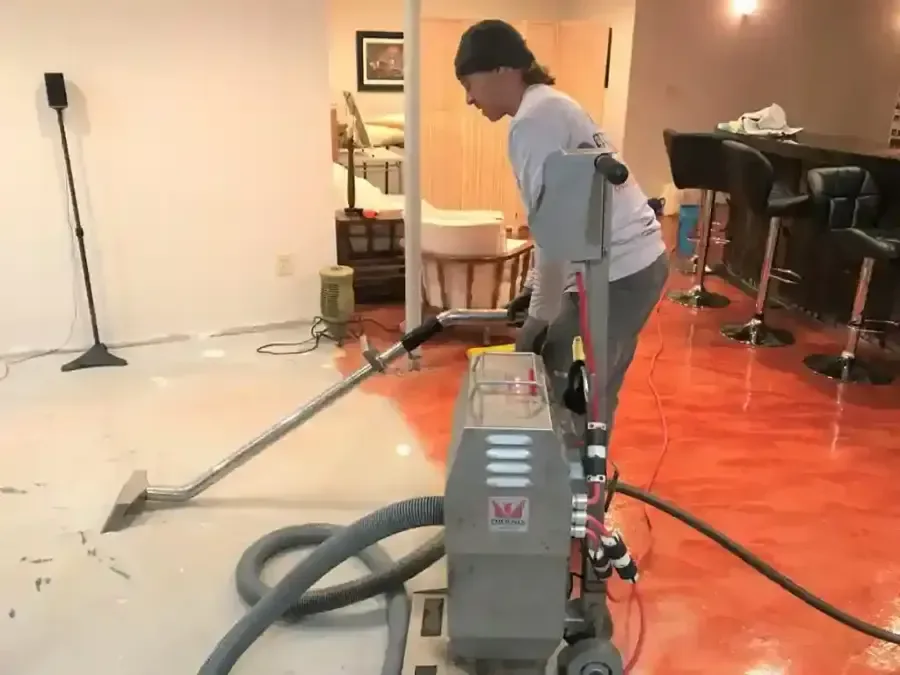
Water Damage Restoration Services in Hastings, MN
The inspection traces basement water to plumbing failures, outside entry or drain backups. The extraction crew then chooses equipment and cleaning methods suited to the source and the affected materials.
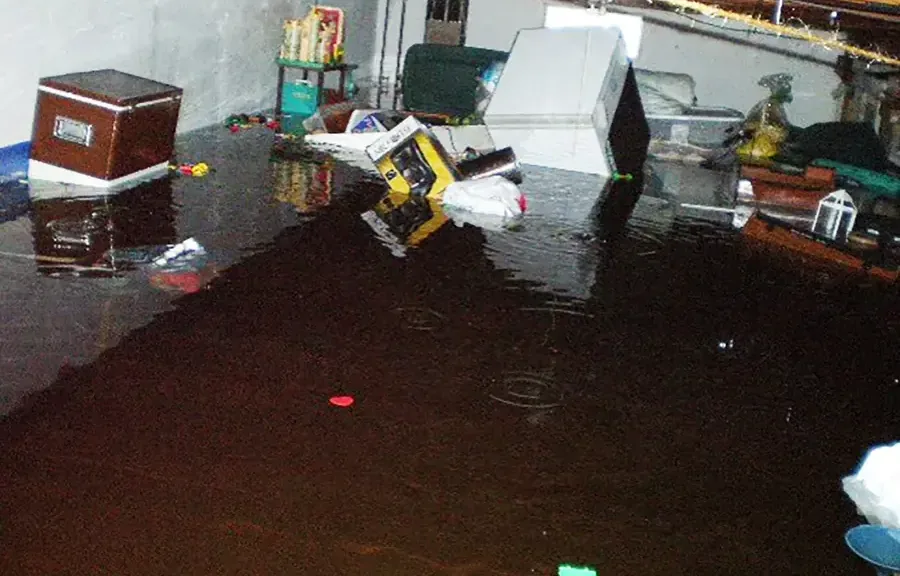
Basement Flood Cleanup
The lower level gets pumped, inspected and dried, including wet wall bases and belongings that hide the water's edge.
See basement flood cleanup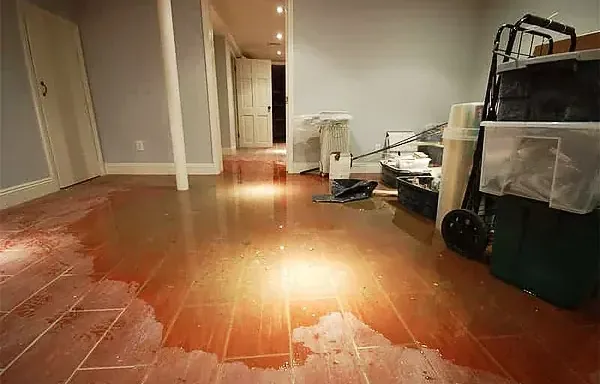
Sump Pump Failure Cleanup
A stopped pump leaves incoming water without an exit. Cleanup addresses the overflow while the pumping fault receives separate attention.
See sump pump failure cleanup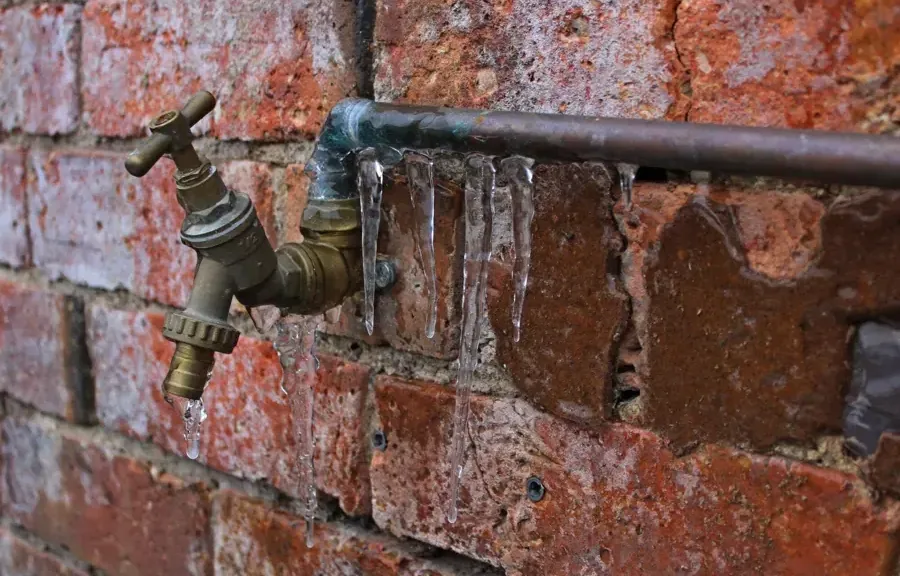
Frozen Pipe Water Damage
Thawing pipes can release water behind finishes. The team traces the wet route from the split through adjoining rooms.
See frozen pipe water damage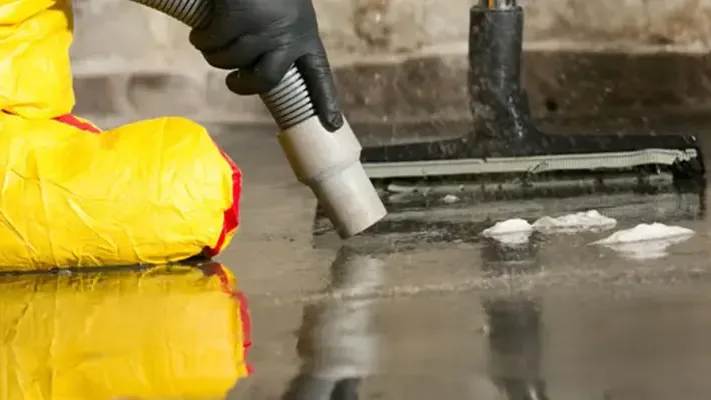
Emergency Water Extraction
Standing water comes out before dehumidifiers take over. Floor construction determines the extraction attachments and any needed access openings.
Sewer Backup Cleanup
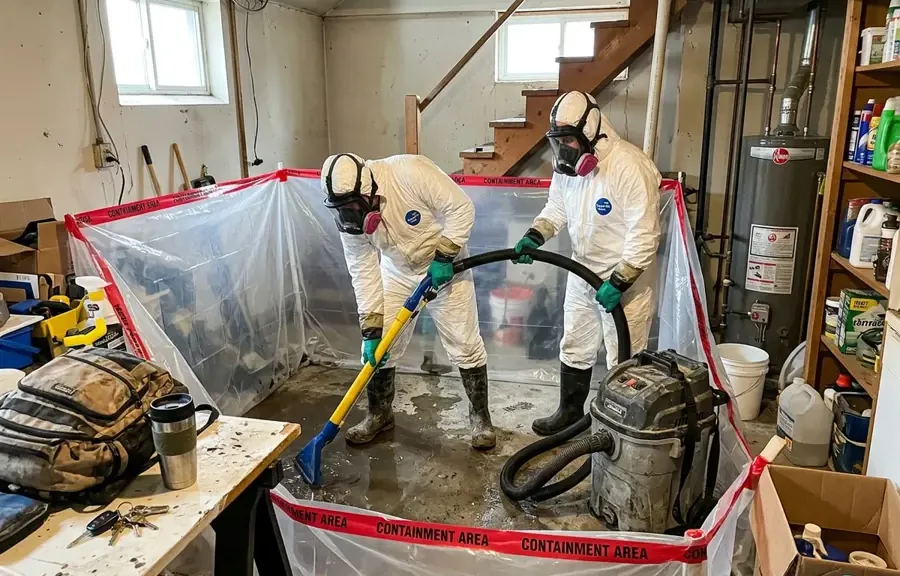
Drain water requires controlled access, protective equipment and removal of contaminated porous materials before cleaning and structural drying begin.
Flood Cleanup
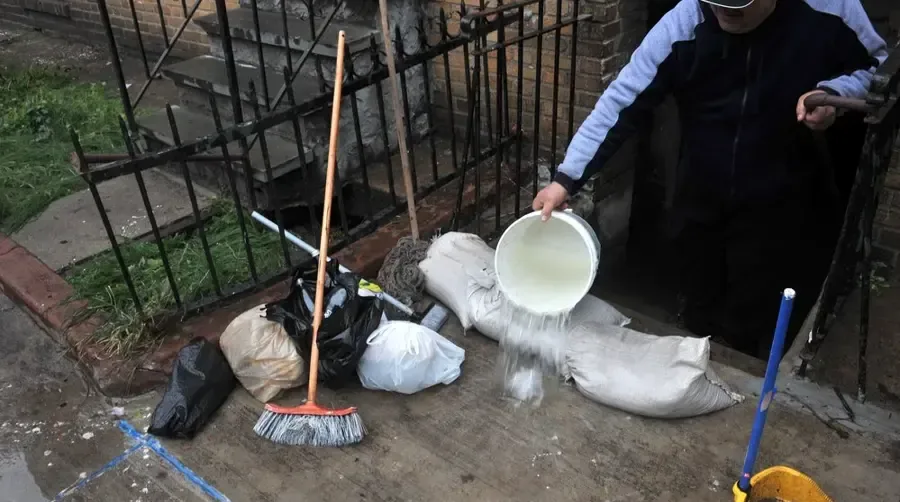
Outside floodwater brings sediment and contamination indoors. Crews separate salvageable structure from soaked finishes and trapped deposits.
Foundation Seepage Cleanup
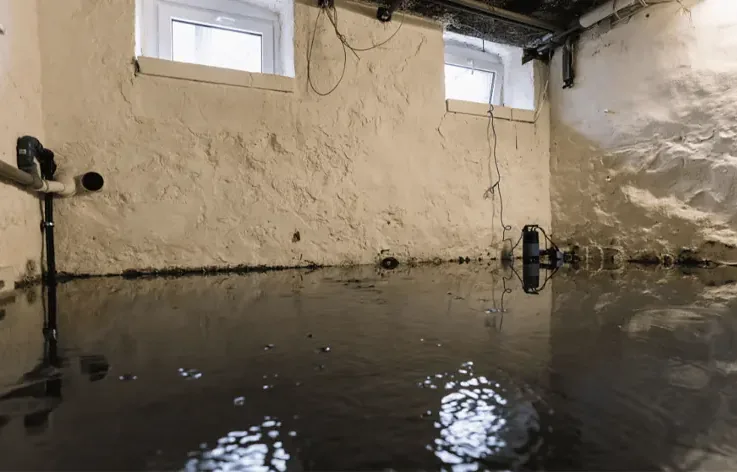
Repeated entry through wall joints or floor cracks calls for moisture mapping and source correction alongside the interior dry-out.
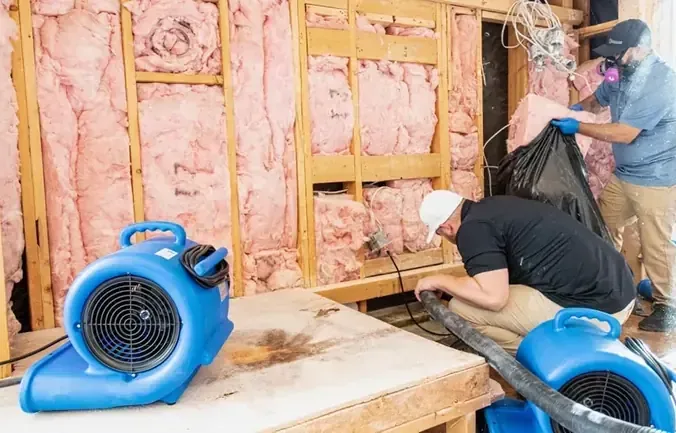
Burst Pipe Water Damage
A pressurized supply failure can wet several levels. Extraction follows the water through wall cavities, ceilings and flooring.
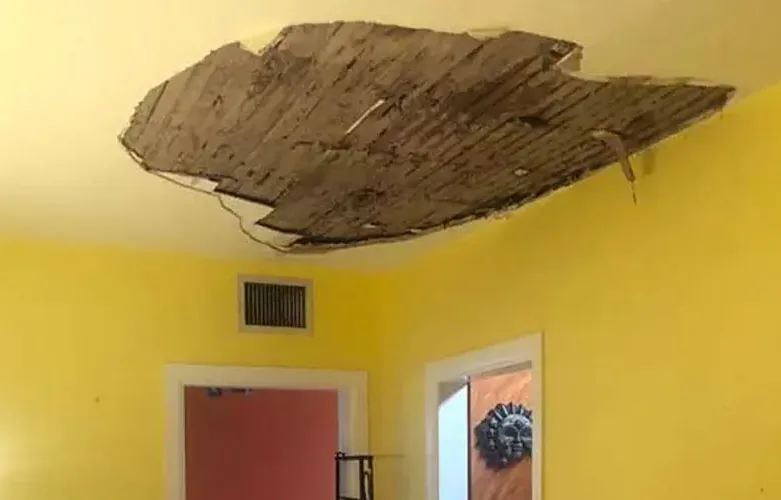
Roof Leak Water Damage
Rain entering the roof assembly needs an entry-point repair and drying below it, including insulation and concealed attic framing.
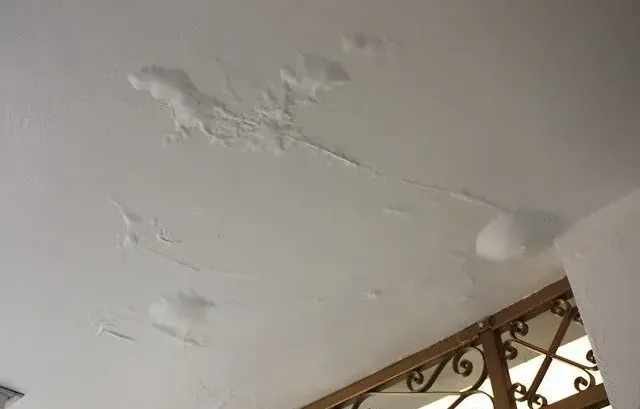
Ceiling Leak Water Damage
A spreading ceiling stain needs source tracing and overhead safety checks before anyone opens wet drywall or disturbs a fixture.
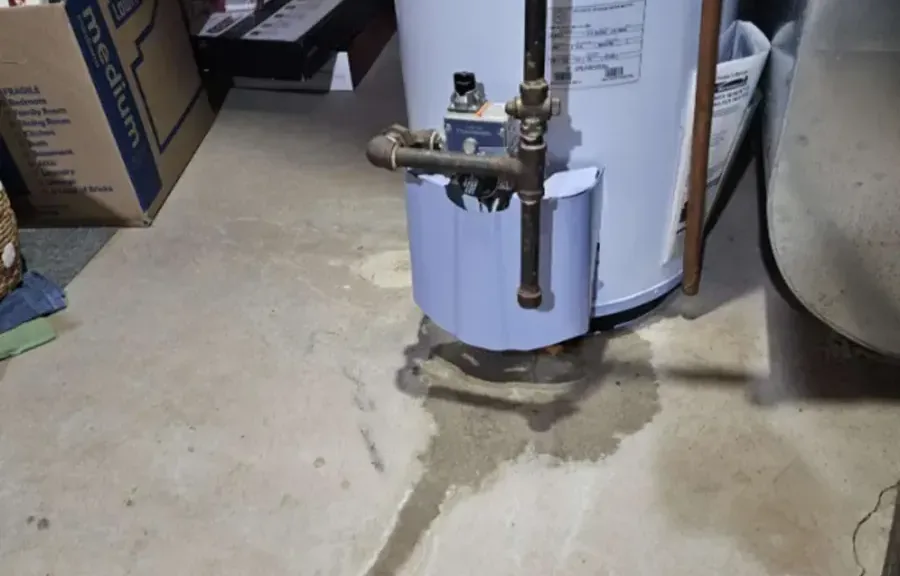
Water Heater Leak Cleanup
Tank leaks can soak the utility-room perimeter and nearby storage. The drying scope extends beyond replacing the heater itself.
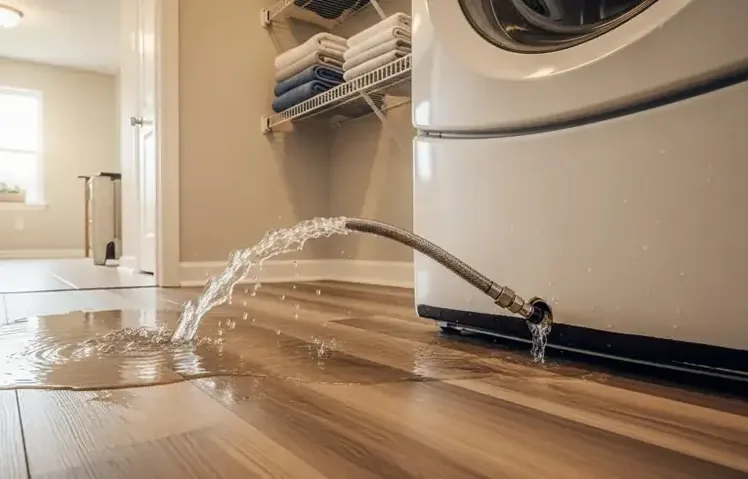
Appliance Leak Water Damage
Supply hoses, drains and appliance seals leave different wet patterns. Cabinet bases and flooring seams need careful inspection.
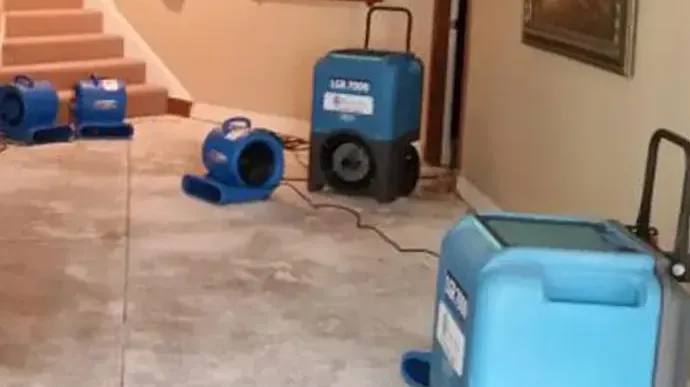
Structural Drying
Air movement and dehumidification work together, with material readings showing whether moisture remains inside framing, floors or wall assemblies.
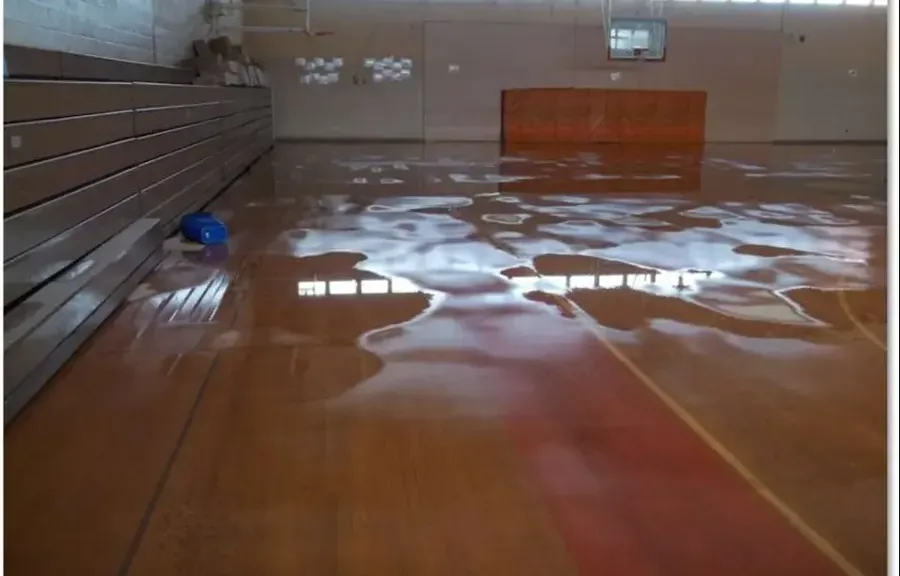
Commercial Water Damage
Work areas, stored stock and electrical access shape a business dry-out. Documented zones help owners plan safe operating decisions.
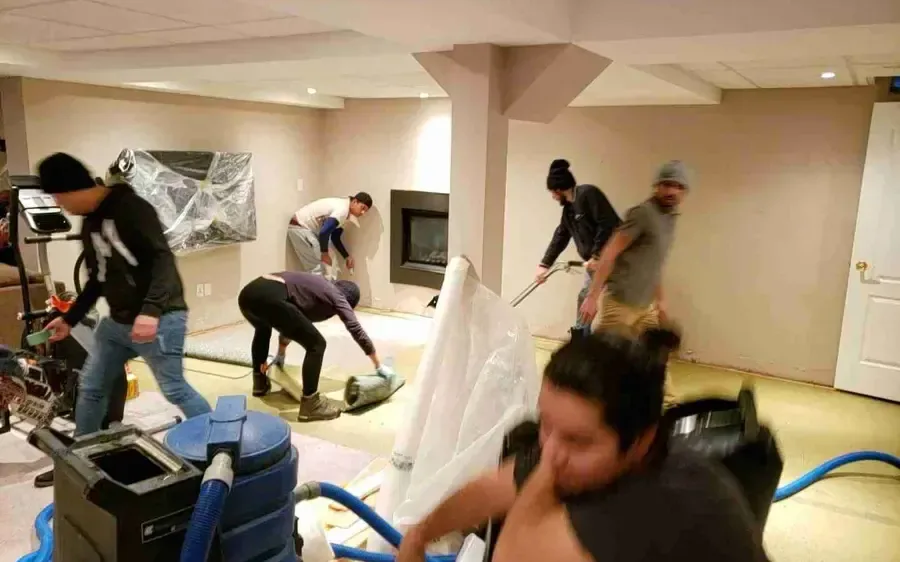
A practical response to water damage in Hastings
The mitigation team starts with safe access and the cause of the loss. That information decides whether the job needs clean-water extraction, contaminated-material removal or a more involved drying plan for concealed assemblies.
Rapid local response
24/7 dispatch treats active water as urgent. The first conversation identifies continuing entry, affected rooms and hazards that may limit safe access.
IICRC S500 drying standard
The drying plan considers the actual material assembly, not just the size of the visible puddle. Readings support equipment placement and removal.
Claim-ready documentation
The job record includes the initial condition, affected materials, daily measurements and an itemized scope so the loss remains understandable after cleanup.
Local water experts
The inspection distinguishes household leaks from river or surface water. The team checks contamination, wet materials and the entry route before setting the cleanup scope.
What to do while the water is still moving
- 1
Keep a dry route
Residents keep children and pets clear of standing water, damaged ceilings and rooms with electrical hazards.
- 2
Stop an accessible supply
A safe, dry shutoff can limit a pipe or appliance leak. Nobody should cross water to reach a valve.
- 3
Leave suspect drain water alone
Sewage and outside floodwater need controlled cleanup. Household fans can spread contamination before the area receives proper cleaning.
- 4
Record the visible damage
Photos from a safe doorway preserve the initial condition. Wet ceilings, floor edges and damaged belongings all help explain the loss.
- 5
Describe the wet rooms
The dispatch conversation covers the source, affected levels, safe access and whether water continues entering. Active losses receive urgent attention.
Water damage dried to the IICRC S500 standard
The drying specialist uses the IICRC S500 framework to evaluate materials, contamination and drying conditions. A room that feels dry can still hold moisture beneath flooring or behind trim, so instrument readings support each decision.
- Step 1
Map the affected assembly
The inspection follows water across floor joints, into wall bases and beneath accessible finishes. A dry comparison area establishes a useful reference.
- Step 2
Remove bulk water first
Extraction reduces the load that drying equipment must handle. The crew also identifies contaminated or damaged materials that cannot remain in place.
- Step 3
Adjust the drying environment
Air movers encourage evaporation while dehumidifiers collect moisture from room air. The technician checks temperature, humidity and equipment performance during the dry-out.
- Step 4
Verify before closing cavities
Final measurements compare affected materials with the drying goal. Remaining wet pockets receive attention before repairs conceal the framing or subfloor again.
What does water damage restoration cost in Hastings, MN?
Typical water damage cleanup ranges from $1,000 to $8,000, with larger or contaminated losses exceeding that range. The estimator weighs water category, wet square footage, material class and how quickly drying begins; a property inspection determines the actual work and price.
Contained clean-water loss
- Limited wet floor area
- Accessible extraction path
- Short equipment setup
Several wet surfaces
- Wall and floor readings
- More than one drying zone
- Selective finish removal
Extensive or contaminated
- Controlled material disposal
- Larger drying equipment load
- Detailed cleaning and records
The cleanup cost calculator compares planning inputs. Repair work, source correction and unusual access can change the total; the displayed range is not a quote.
All water damage categories covered in Hastings, MN
Category 1: sanitary source
A broken clean-water supply can start as Category 1. Time and contact with dirty materials can change the cleanup requirements.
Follow a supply leakCategory 2: contaminated water
Appliance discharge may contain contaminants that make ordinary household cleaning unsuitable. The inspection checks the source and everything the water touched.
Inspect appliance damageCategory 3: highly contaminated
Sewage and outside floodwater require restricted access and protective cleanup. Saturated porous finishes often need removal before the structure can dry.
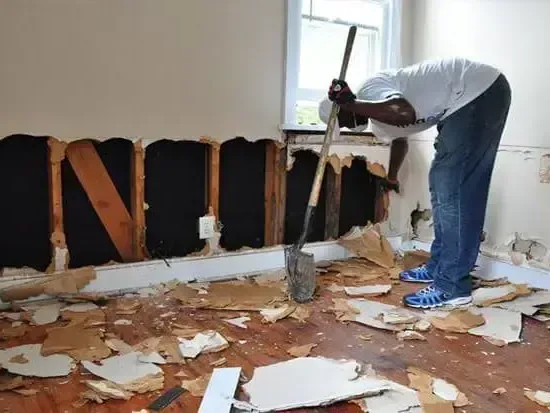
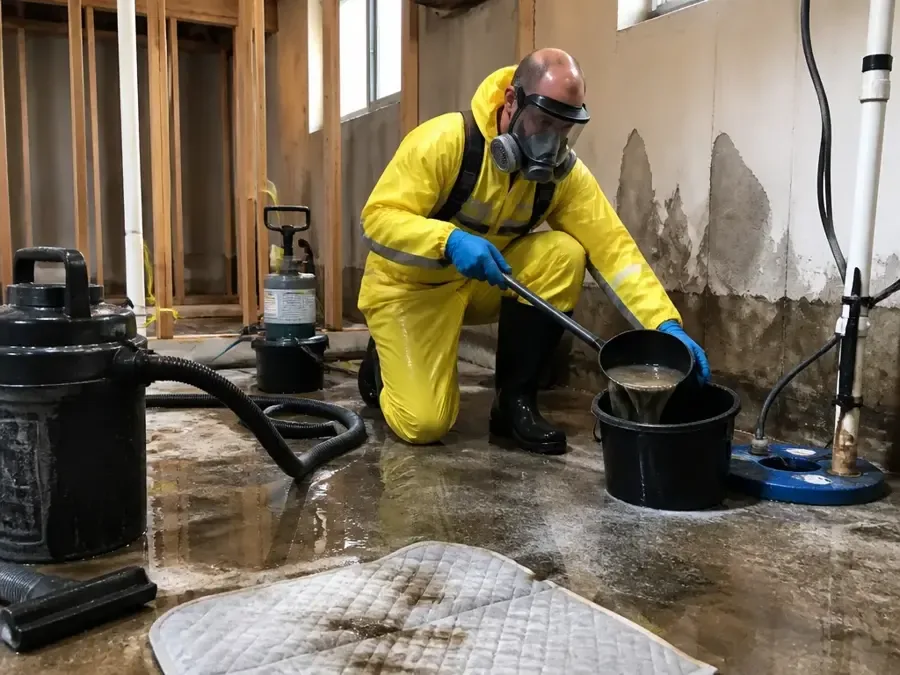
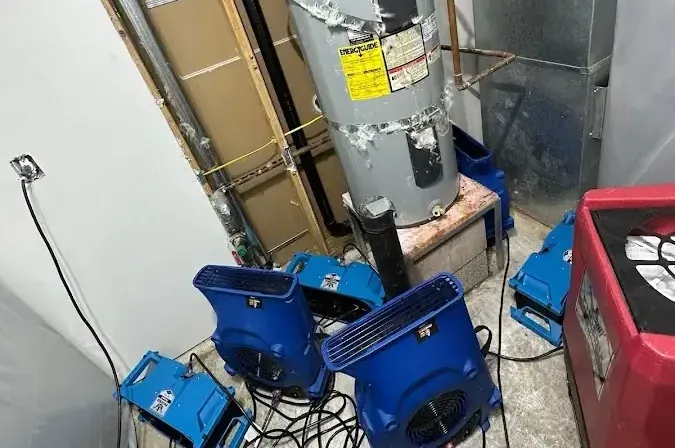
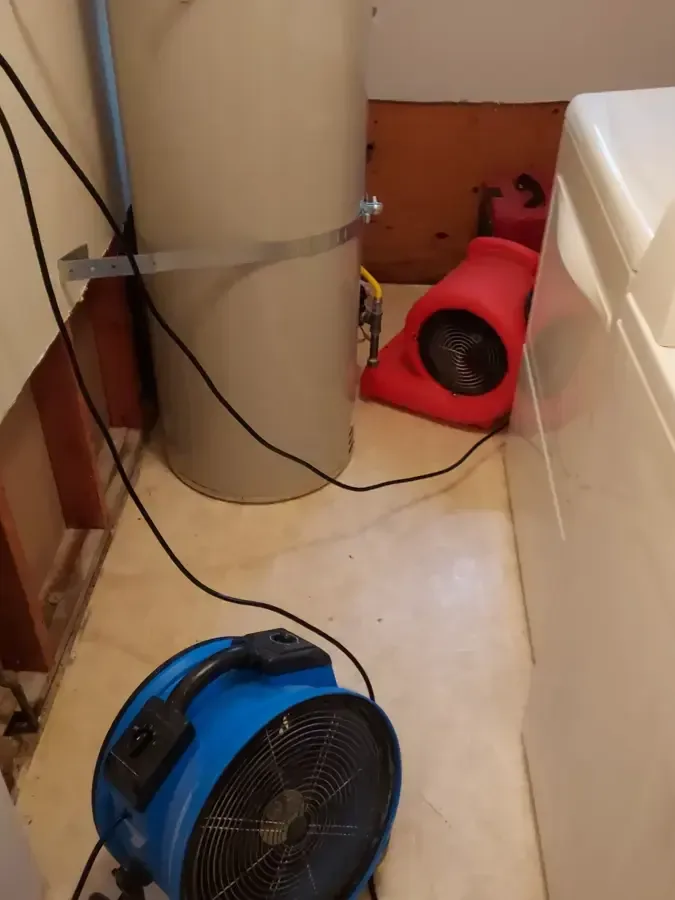
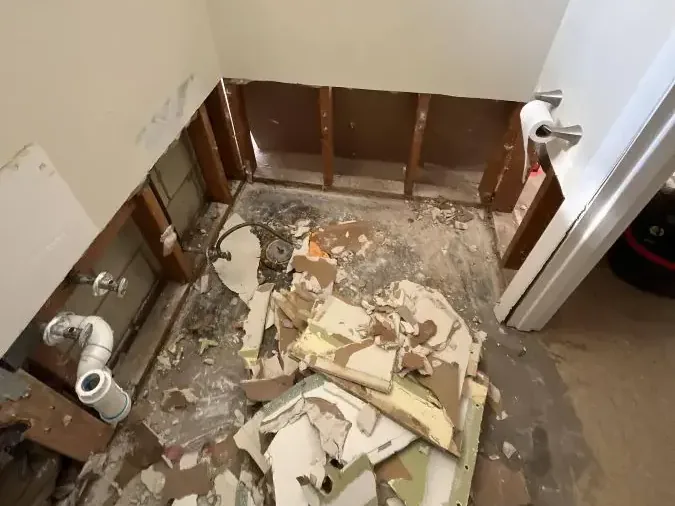
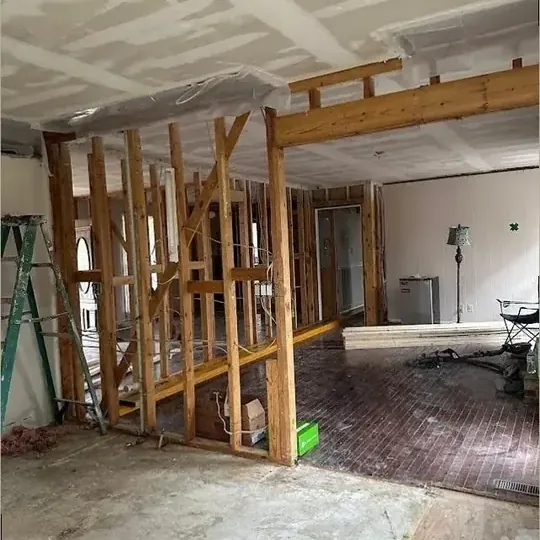
Understand drain-water cleanupWhat a water damage dry-out looks like in Hastings
Documentation for your insurance claim
The restoration contractor records what the water affected and why the cleanup scope changed. Those records help a household discuss the loss with its insurer.
- Timestamped photographs before demolition alters the visible damage
- A moisture map showing affected and comparison locations
- Daily material readings and psychrometric drying logs
- Water category, material class and removal decisions
- An itemized scope separating cleanup from reconstruction work
Check the actual policy
A sudden accidental plumbing failure and water arriving from outside can fall under different coverage terms. Sewer backup may require an endorsement. The policy, cause and insurer's findings determine coverage rather than the cleanup contractor's estimate.
Residents can preserve receipts, photographs and the date the problem became visible. The insurer can explain deductibles, reporting requirements and any limits before the household makes assumptions about payment.
Water damage help across Hastings and nearby towns
Local places and corridors
Primary ZIP served
Nearby service areas
The local setting behind a Hastings water loss
The Mississippi River borders the city to the north, while the Vermillion River crosses the southern area. Lake Rebecca and Lake Isabel drain toward the Mississippi. The team identifies the actual entry route instead of assigning risk from a map alone.
- Mississippi River
Outside water needs a different cleanup assessment from a leaking household supply, even when both leave a similar-looking puddle.
- Vermillion Falls
Around Vermillion Falls, the inspection follows the water from its entry point through wet rooms and adjoining cavities.
- Cow Town
Cow Town is a northeastern floodplain area. An outside-water loss needs entry points, sediment and affected belongings recorded before cleanup changes the room.
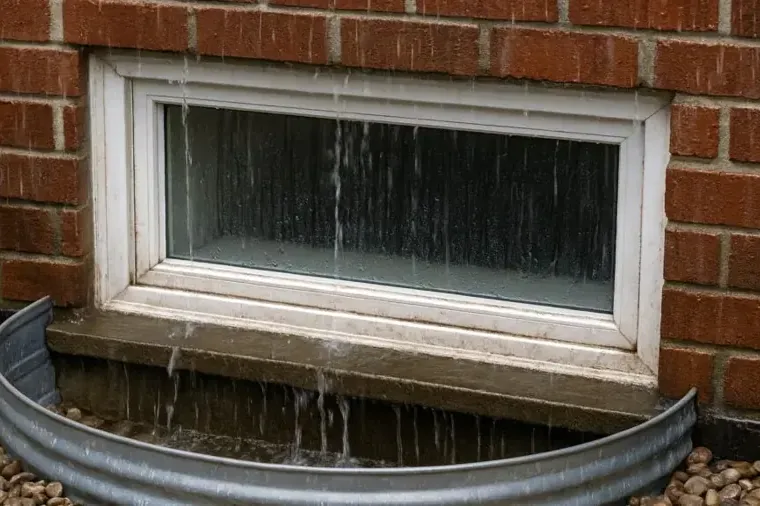
- Lower-level entry Foundation joints, windows and drains can produce different wet patterns. The inspection follows that pattern before choosing a remedy.
- Hidden supply leaks Water can travel behind trim or under flooring before a resident notices it. A small stain may hide a wider footprint.
- Cold-exposed plumbing A thaw can reveal a split pipe. The drying team checks connected wall and ceiling cavities after the supply receives attention.
- Roof and ceiling paths Rain entry and upstairs plumbing require different source repairs. Wet insulation and framing still need measured drying.
- Rebuilding decisions The city requires permits for many building and remodeling projects. The owner should confirm the repair scope before closing opened assemblies.
Water damage questions from local property owners
What information helps when requesting emergency cleanup?
The response team needs to know whether water still enters, which rooms are wet and whether a safe route exists. Details about sewage, a sagging ceiling or electrical equipment help the initial safety assessment. Active water damage gets urgent dispatch, 24/7.
Does a dry carpet mean the floor underneath is dry?
No. Carpet fibers can feel dry while the pad, subfloor or wall base still holds moisture. The drying technician checks the underlying assembly with suitable meters and compares readings with unaffected material before ending equipment use.
How does river water change the work?
The extraction crew treats water that travelled over outside surfaces as contaminated. Cleanup may require containment, removal of affected porous finishes and detailed surface cleaning before drying. The source matters more than the water's color or apparent clarity.
How long does a normal dry-out take?
A contained clean-water loss often needs several days of controlled drying. Dense materials, concealed cavities and delayed extraction can extend that period. The drying time estimator gives a planning window; actual material readings determine completion.
Can a homeowner use household fans immediately?
Fans are inappropriate around sewage or suspect contaminated water before cleaning and containment. Electrical safety also comes first. The mitigation team assesses the water category and safe power supply before setting air movement or dehumidification equipment.
What does the IICRC S500 reference mean?
IICRC S500 describes professional water-damage restoration practices. The drying team uses source assessment, moisture measurements, material evaluation and controlled drying conditions to guide the work. Daily records track the affected materials through to the drying goal.
When does wet drywall need removal?
The inspector considers contamination, loss of strength and access to wet insulation or framing. Clean, sound material may remain where effective drying is possible. Swollen, unstable or contaminated finishes require a different decision than a small clean-water stain.
Does insurance cover basement water in Hastings?
Coverage depends on the cause and policy wording. A sudden plumbing failure, a backed-up drain and outside flooding may receive different treatment. The restoration contractor documents the damage, while the insurer decides coverage and explains any deductible or endorsement.
Does replacing a failed appliance finish the cleanup?
Replacing the machine stops only one part of the problem. Water may remain beneath cabinets, inside wall bases or under the adjacent floor. The extraction and drying scope addresses those materials so new equipment does not conceal continuing moisture.
Water damage cleanup in Hastings, from extraction to drying
The extraction crew removes bulk water, the drying team checks concealed moisture and the contractor records the work. Call with the source and affected-room details to begin an urgent cleanup assessment.
(888) 432-4933Arrange assessment of the wet rooms- Hastings, MN · Dakota County
- (888) 432-4933, open 24/7
- Dried to the IICRC S500 standard
- Find us on Google