Oak Park Heights Water Damage Restoration
Water creeping beneath a doorway can leave more damage than the visible puddle suggests. Cleanup in Oak Park Heights begins with the source, the affected materials and a plan for reaching moisture inside the building.
(888) 432-4933Discuss the wet rooms todayDescribe the affected rooms and whether water is still entering the property.
Cleanup that follows the water's path
A failed appliance needs a different approach from contaminated floodwater. These services connect the starting problem with the removal, cleaning and drying work the building needs.
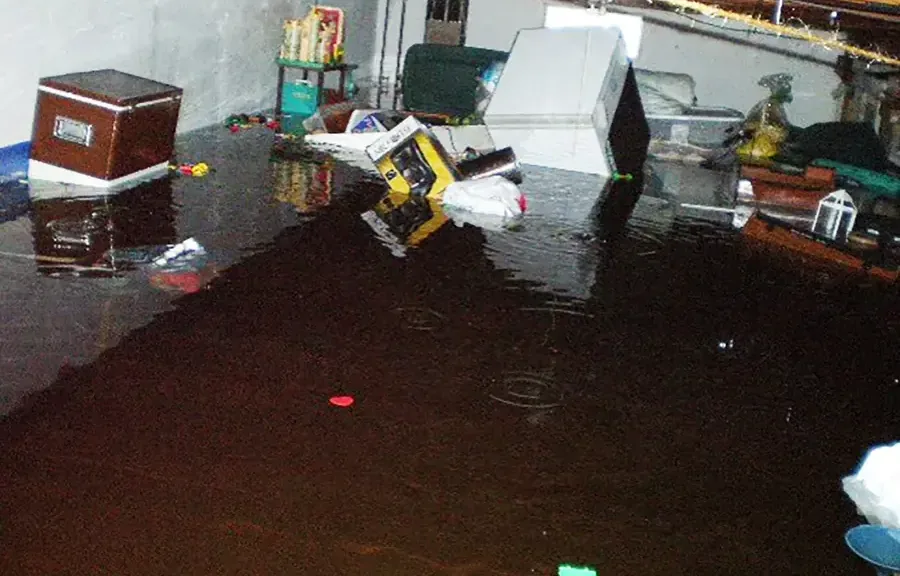
Basement Flood Cleanup
A flooded lower level needs attention to stored belongings, wet wall bases and the route water used to enter.
See basement flood cleanup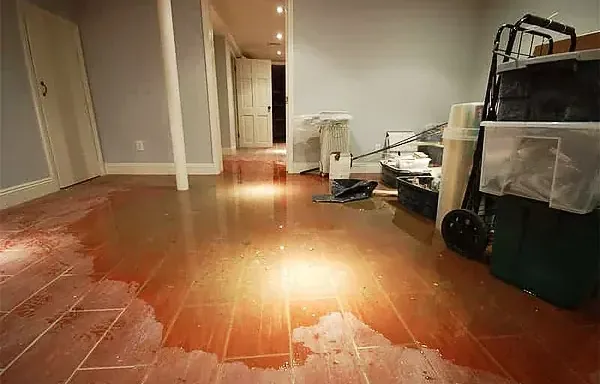
Sump Pump Failure Cleanup
Overflow around a sump pit calls for water removal alongside an assessment of whether the pump system can resume operation.
See sump pump failure cleanup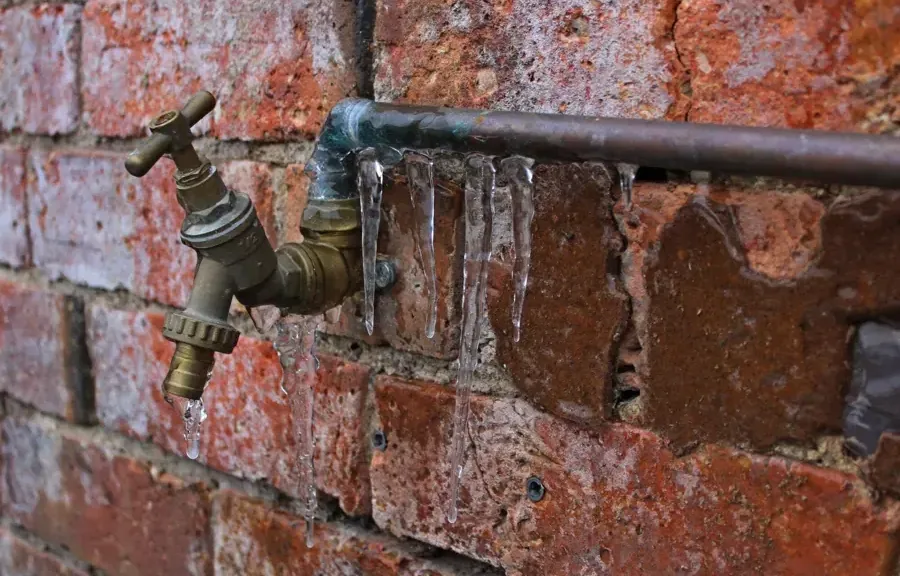
Frozen Pipe Water Damage
A thawing pipe can release water into concealed spaces. Locate the break and inspect the rooms connected to its path.
See frozen pipe water damage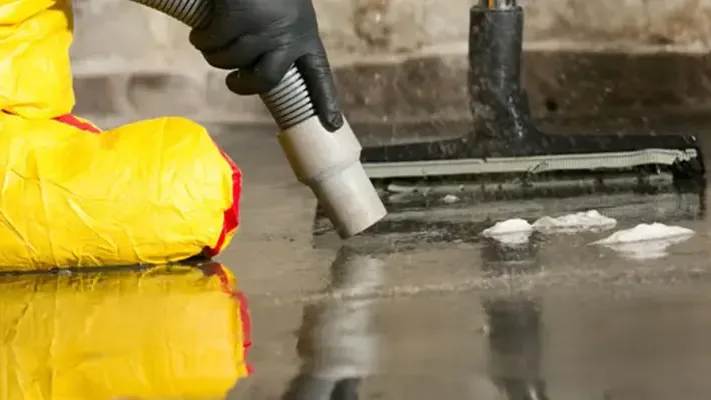
Emergency Water Extraction
Standing water removal clears the way for careful inspection of floor coverings, adjoining rooms and moisture below the surface.
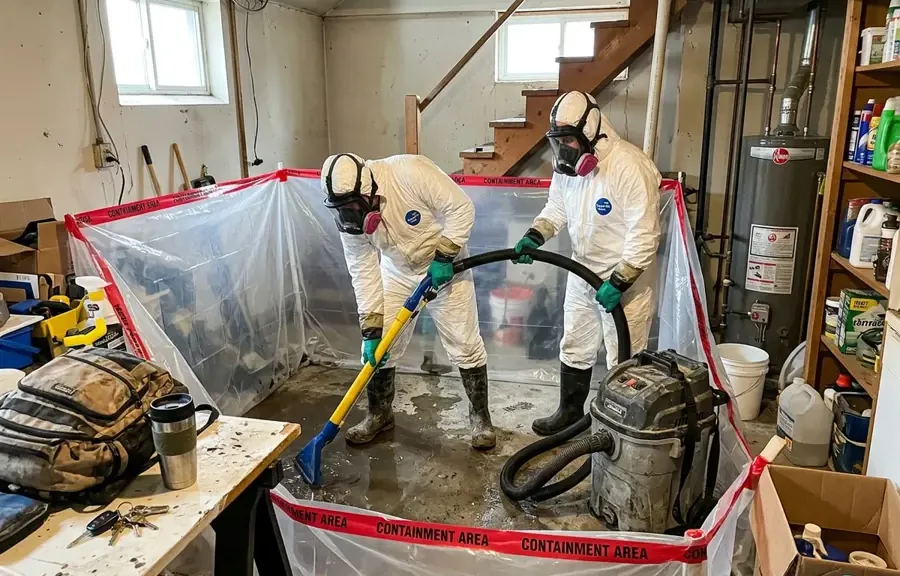
Sewer Backup Cleanup
Sewage cleanup requires controlled access, removal of contaminated porous materials and cleaning of reachable surfaces before the drying phase begins.
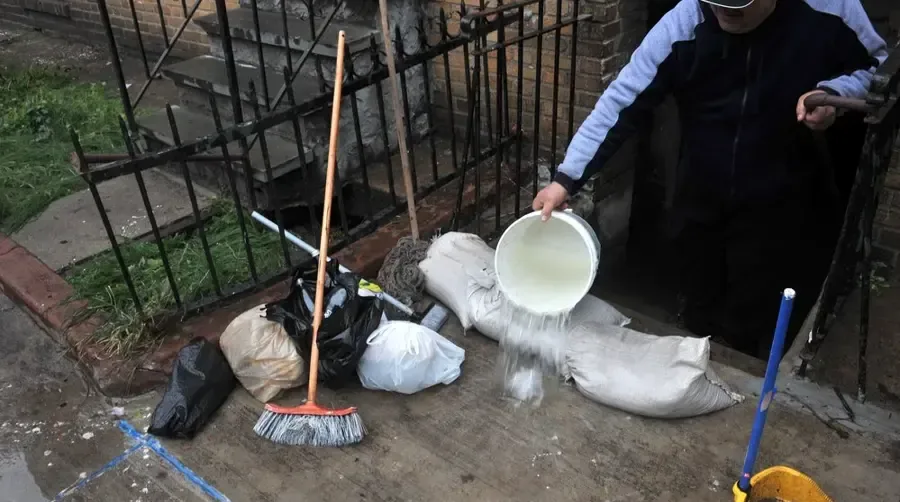
Flood Cleanup
Outdoor water can carry debris through thresholds and floor seams. Cleanup considers both the entry route and contact surfaces.
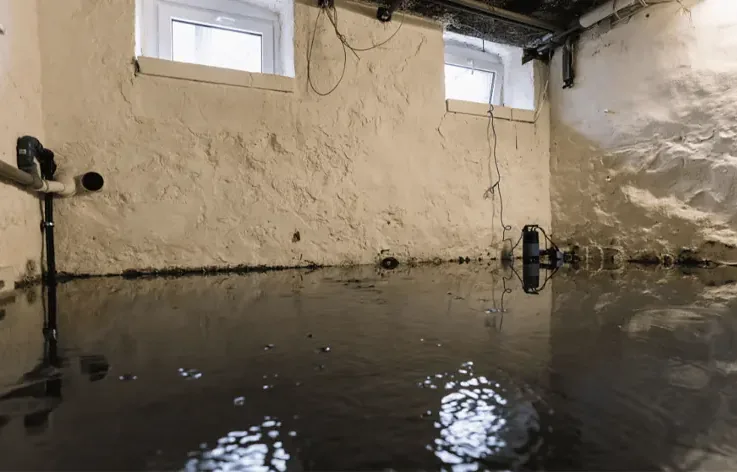
Foundation Seepage Cleanup
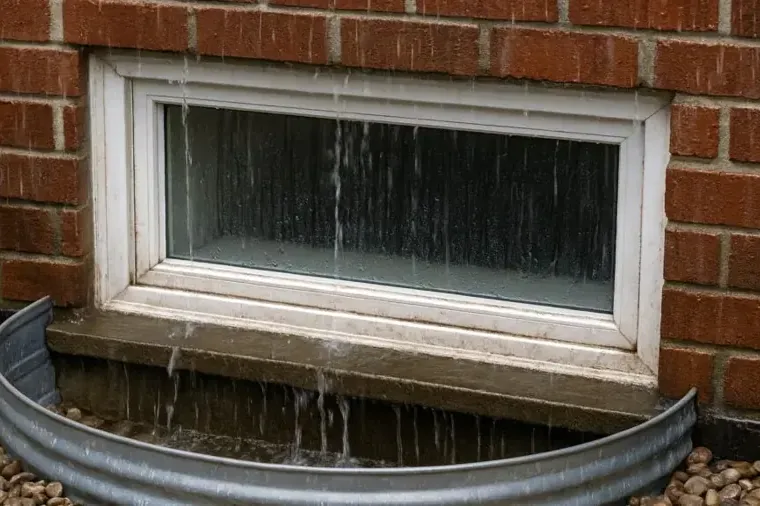
Dampness at a perimeter wall deserves a closer look behind finishes, beneath stored goods and along the floor junction.
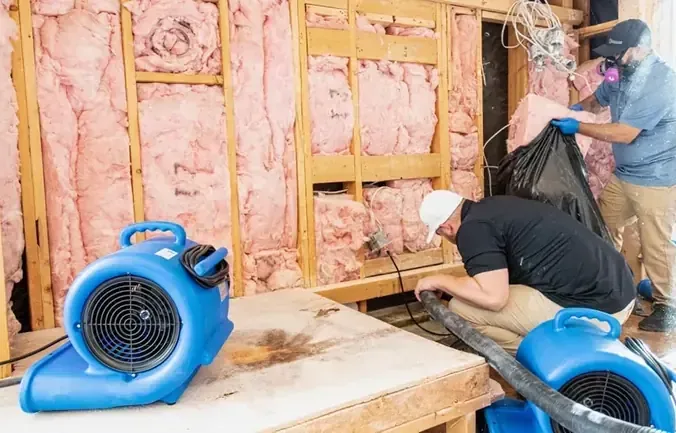
Burst Pipe Water Damage
A pressurized release may wet several rooms before the supply stops. Assessment tracks vertical travel as well as floor spread.
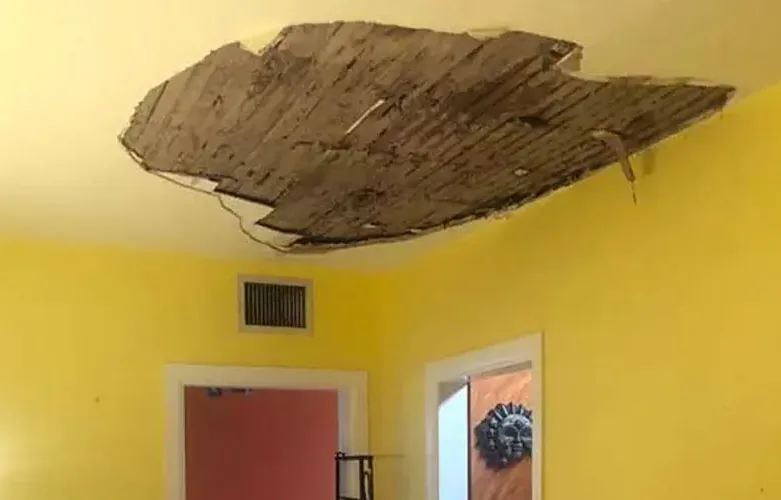
Roof Leak Water Damage
Roof water can follow framing away from the drip. Interior recovery addresses wet insulation, ceiling materials and affected room finishes.
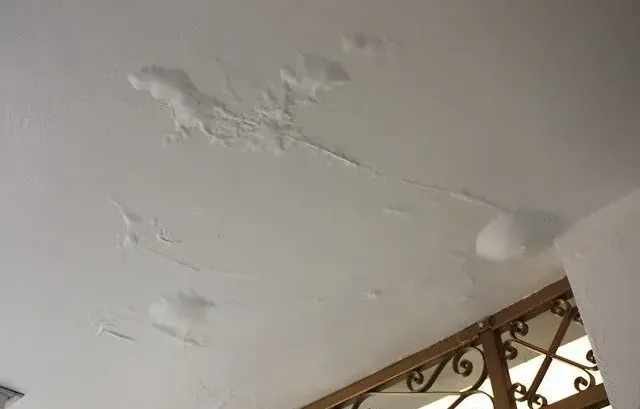
Ceiling Leak Water Damage
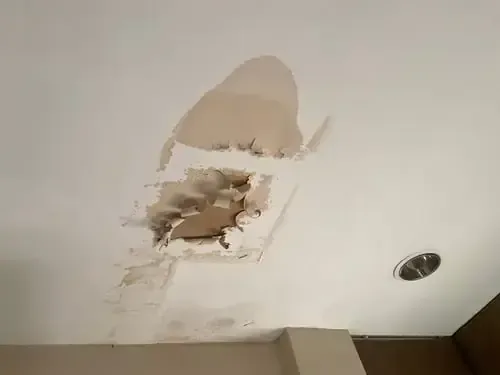
An overhead stain needs source tracing and a stability assessment before saturated ceiling materials are disturbed or drying equipment starts.
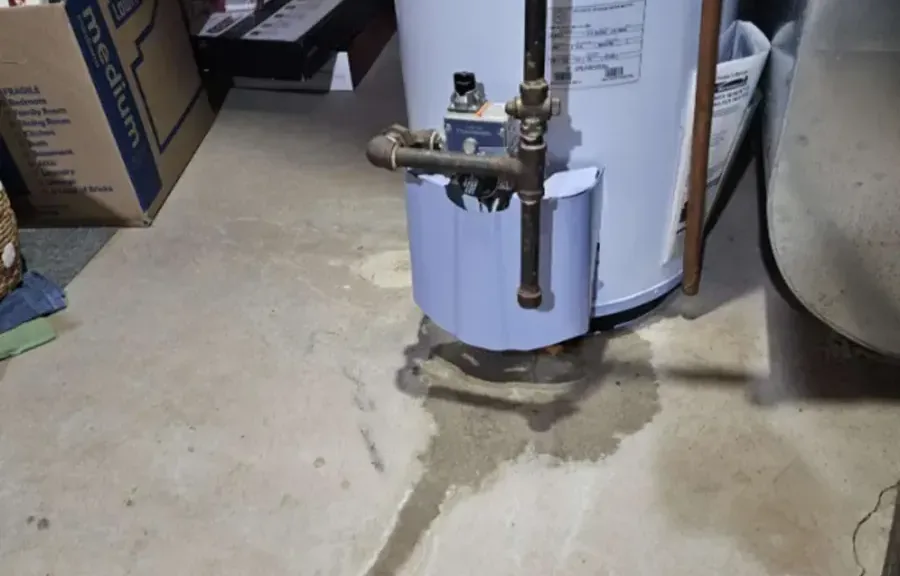
Water Heater Leak Cleanup
A utility closet spill may reach adjoining walls. Cleanup separates equipment repair from water removal and surrounding material drying.
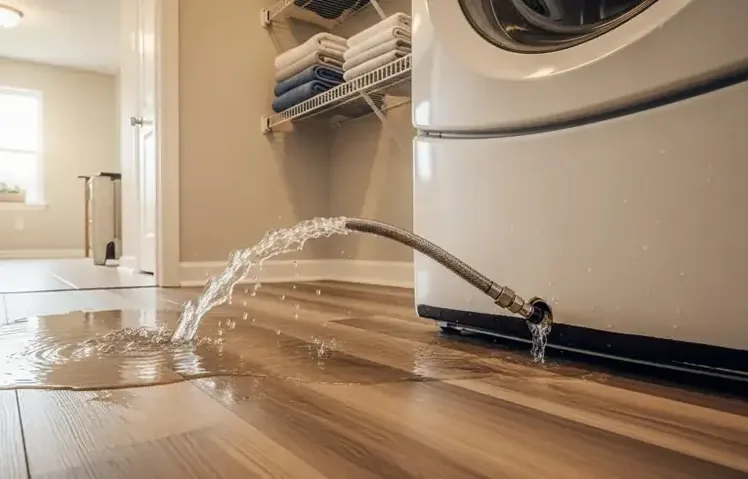
Appliance Leak Water Damage
Leaks behind a refrigerator or washing machine can hide under cabinets and floor coverings long after the visible spill disappears.
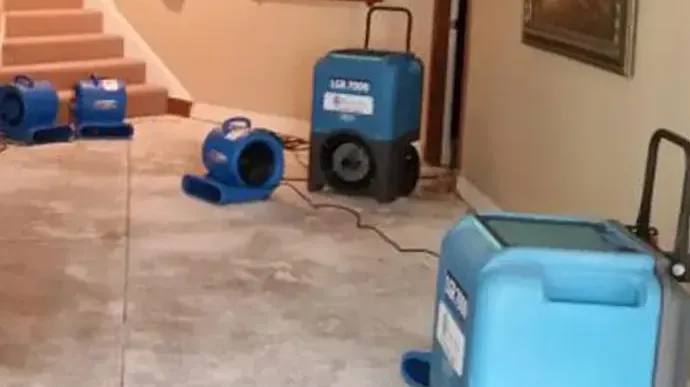
Structural Drying
Drying measurements help determine whether framing, subfloors and wall cavities are progressing toward the drying targets established for the job.
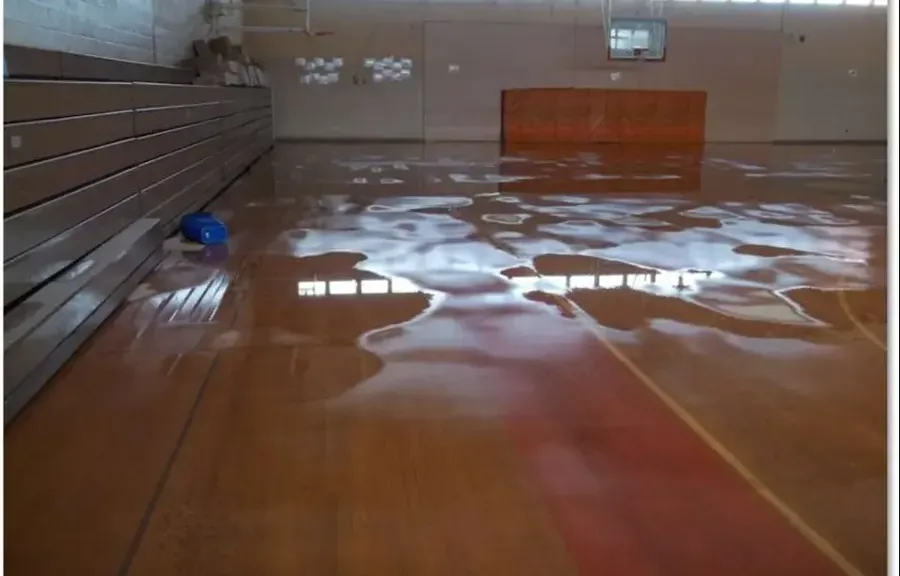
Commercial Water Damage
Business cleanup organizes affected zones, occupant access and equipment placement around the building's layout and the actual extent of wetting.
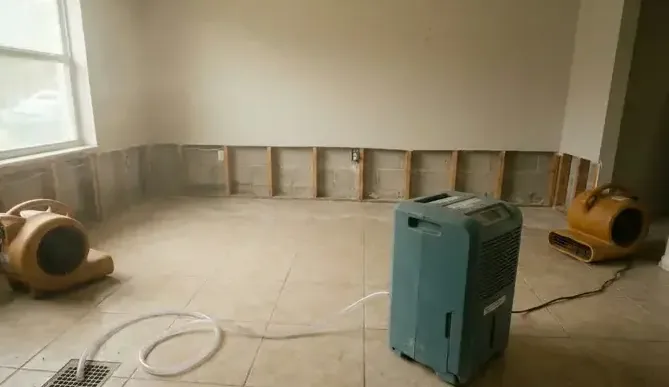
Understand the work before rooms are closed
A homeowner needs a clear explanation of the wet areas and proposed work. Useful documentation connects each opening, material removal and drying adjustment to the conditions found in that particular room during inspection.
Visible scope
The estimate should identify affected surfaces and explain which work addresses standing water, cleaning, access or drying so the next decision is understandable.
Practical access
Furniture, stairs and occupied rooms influence the setup. A planned equipment route helps separate cleanup activity from the portions of the home still usable.
Recorded progress
Moisture measurements show whether hidden materials are responding. A persistent wet spot deserves another inspection rather than an assumption that surface appearance tells everything.
Clear handoff
Before repairs begin, the cleanup record should describe remaining work, drying results and any source repair that must be completed to prevent another release.
Make the affected space safer first
- 1
Check the approach
Keep people outside areas with standing water, unstable ceilings or wet electrical equipment until the hazards have been assessed.
- 2
Limit further release
A safely accessible water shutoff can stop a supply leak. Avoid entering water to reach a valve or appliance.
- 3
Separate belongings
Move dry possessions away from spreading water when the route is safe. Leave saturated heavy furniture for an assessed removal.
- 4
Record visible changes
Photograph water marks and affected rooms from stable ground. Note when the problem appeared and which source was suspected.
- 5
Describe the conditions
Explain whether the water is rising, smells like sewage or has reached another level so the cleanup discussion starts accurately.
A drying plan needs measurable checkpoints
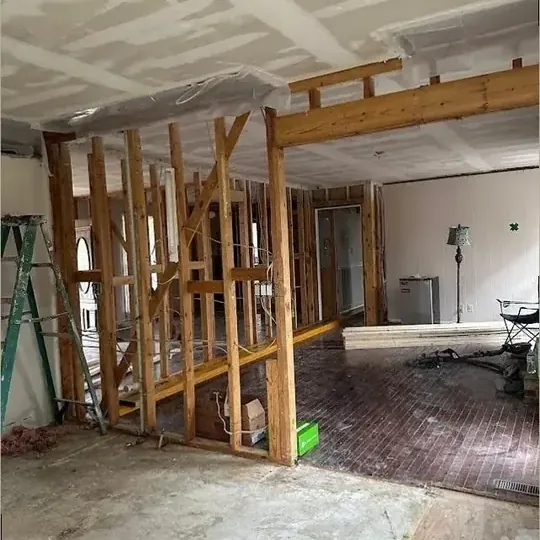
Removing a puddle is only part of recovery. A useful work plan identifies what became wet, which materials remain suitable for drying and how their condition will be checked before finishes are restored.
- Step 1
Trace the release
The assessment follows water from its likely origin through adjacent rooms and concealed assemblies, recording the surfaces that need closer inspection or access.
- Step 2
Remove what cannot remain
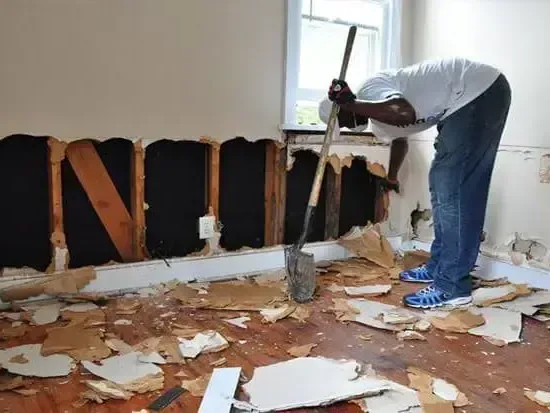
Standing water and unsalvageable wet materials are addressed in an organized sequence so exposed surfaces can be reached for cleaning and further assessment.
- Step 3
Match equipment to conditions
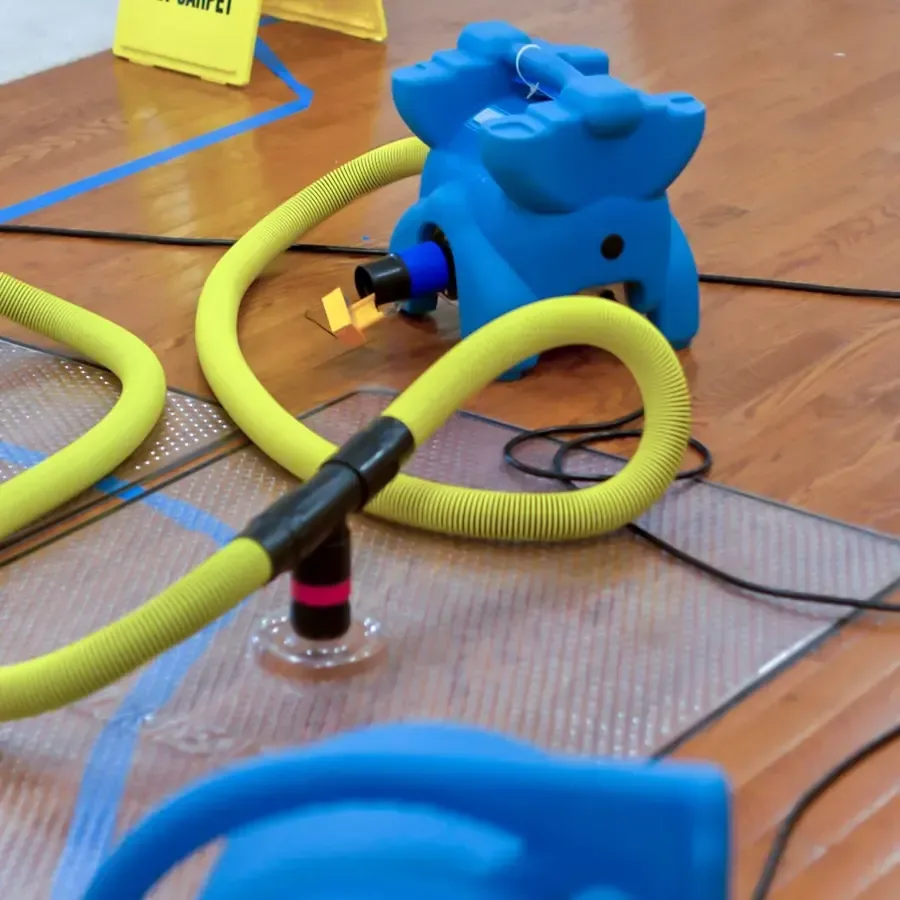
Air movement and dehumidification are arranged around the wet materials, access limitations and occupied areas rather than simply filling every room with equipment.
- Step 4
Check the drying result
Repeat readings are compared with established targets. Remaining damp locations receive attention before reconstruction closes cavities or covers the floor with new finishes.
What affects restoration costs in Oak Park Heights?
Water damage cleanup in Oak Park Heights depends on the affected area, contamination, material access and drying requirements. The ranges below help frame the initial conversation; an inspection establishes which removal, cleaning and monitoring tasks belong in the estimate.
Limited room impact
- Accessible floor water removal
- Small affected material area
- Focused drying equipment placement
Connected interior damage
- Several wet room surfaces
- Selective access behind finishes
- Broader moisture measurement plan
Extensive water contact
- Widespread wet building materials
- Contaminated contents sorting work
- Expanded cleaning and drying
Repairing the failed plumbing or exterior entry point may involve separate work. The written scope should distinguish that repair from interior water damage recovery.
Different water needs different handling
Supply water release
A broken supply pipe starts with source isolation. The extent of contact and time in the building influence material decisions during cleanup.
Follow a pipe releaseUsed appliance water
Water discharged from household equipment may contain residues. The cleanup plan considers what escaped and where it traveled beneath cabinets or flooring.
Inspect appliance water spreadSewage contamination
Backed up sewage requires restricted access and deliberate removal choices. Porous materials that absorbed contamination need assessment before any drying attempt.
Check sewage contact cleanupRemoval and drying reach beyond the puddle
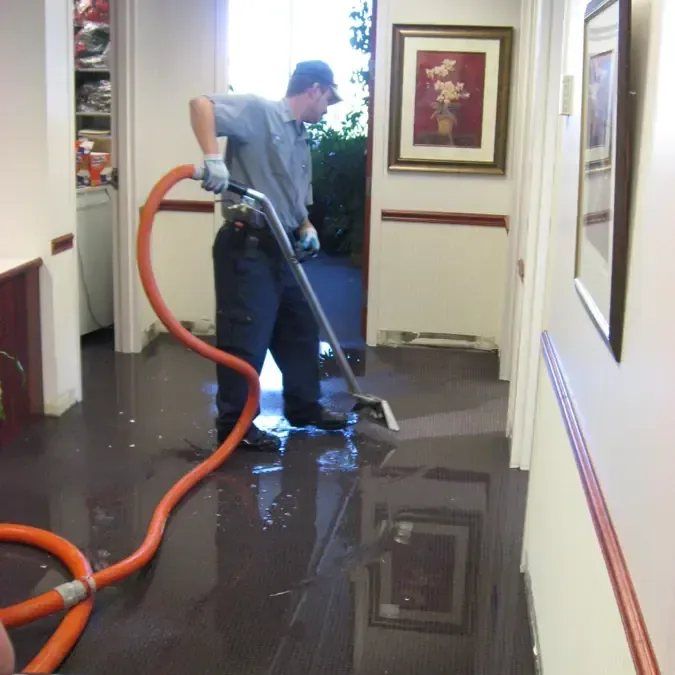
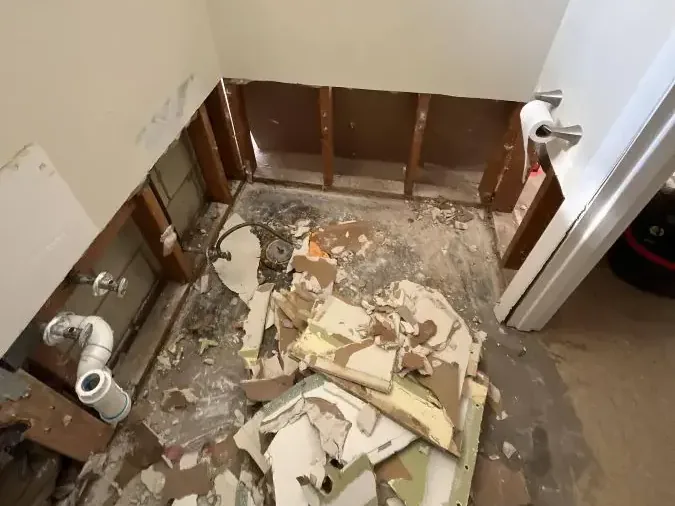
Build a useful cleanup record
Photographs and an itemized scope help explain the damage. Coverage decisions belong to the insurer and depend on the policy and circumstances of the release.
- Photograph affected surfaces before safe cleanup changes them
- Keep receipts for work and damaged essential items
- Record when water appeared and the suspected source
- Save the written scope and later approved changes
- Retain moisture records provided at the drying handoff
When paying directly
A direct payment plan still benefits from a detailed estimate. Ask how access work, contents handling and equipment monitoring are listed, and how the scope will change if concealed damage becomes visible after a wall or floor covering is opened.
Separate urgent water removal from later finish repairs. That distinction makes it easier to understand the immediate cleanup cost and plan the remaining restoration decisions.
Homes and businesses across the community
Familiar local routes
Local postal area
Additional town pages
Local settings, property specific water problems
Oak Park Heights sits on the west bank of the St. Croix River. Its historic bluff area, apartment development and commercial corridors create different building layouts, so inspection starts with the actual water path and construction at the property.
- Stillwater Overlook
The scenic overlook on Lookout Trail includes a limestone wall above the river valley, a recognizable landmark when describing the property area.
- Brekke Park
Brekke Park overlooks the Bayport Wildlife Management Area. Nearby property descriptions still need the affected level, access point and water source during a cleanup call.
- Highway 36
Businesses and eating places occupy the Highway 36 corridor, with commercial development south of the highway extending past Highway 5.
- Lower room finishes Where a home has a basement, water may reach wall bases and stored belongings before the full extent becomes visible from the stairs.
- Shared building spaces Apartment layouts require attention to adjoining units and common passages when a leak travels beyond the room where it was first noticed.
- Concealed overhead wetting A ceiling drip may originate above or beside the visible stain. Follow the wet assembly before deciding where access is needed.
- Equipment closet leakage Water around a heater or appliance can spread through a doorway or under a partition, leaving the adjacent room wet beneath its finishes.
- Business floor contact Commercial cleanup must account for customer access, stored materials and the affected floor assembly when organizing extraction and the subsequent drying setup.
Questions about recovering a wet property
Where should an Oak Park Heights cleanup call begin?
Start with the room or level affected, whether water is still entering and any obvious safety concerns. A description of the source helps distinguish a pipe release from sewage or outside water. Mention stairs, locked entrances and occupied spaces that affect access.
Does a small puddle mean a small drying job?
The visible area can be smaller than the wet material area. Water may pass beneath a floor covering or into the bottom of a partition. Inspection and moisture measurements help determine whether surrounding materials need access, extraction or a drying setup.
Should belongings stay in a flooded basement?
Dry belongings can be moved along a safe route before water reaches them. Saturated boxes and heavy furniture need more careful handling. Photograph damaged items and keep an inventory, especially when contamination or material deterioration may affect whether an item can remain.
Can equipment run while the home is occupied?
That depends on the affected areas, electrical conditions and safe access. Equipment cords and hoses must be arranged to avoid obstructing usable routes. Contaminated areas require additional separation, and some rooms may need to remain unoccupied while cleanup work proceeds.
How is the end of drying determined?
The surface appearance is considered alongside material readings and the drying targets established for the project. A floor can look normal while underlying layers remain wet. Final checks should address the assemblies that were affected before replacement finishes conceal those locations again.
Does riverfront geography identify the source of a leak?
The source is determined at the property. The inspection looks for the route water entered, plumbing conditions and affected building materials. Photos taken during the release can help explain what happened, particularly when active flow has stopped before the room is assessed.
What should an apartment resident report?
Notify the property manager and describe the leak location, affected floor and any water reaching shared spaces. Building access and adjoining rooms may require coordination. Keep clear of electrical hazards and avoid operating equipment that continues to discharge water into the apartment.
Can reconstruction begin immediately after extraction?
Extraction removes accessible water, but framing, subfloors or enclosed surfaces may still need drying. Reconstruction follows the necessary cleaning and moisture checks. Covering damp materials too early makes later inspection difficult and can leave the original water problem incompletely addressed.
Which records help explain the cleanup estimate?
An affected room list, photographs and a breakdown of removal, cleaning and drying tasks make the scope easier to follow. Keep revisions as concealed conditions are discovered. The reason for any additional access or material removal should be documented with the updated work.
Start with the damage visible today
Water damage recovery in Oak Park Heights starts with an accurate description of the problem. Identify the affected area, keep unsafe spaces closed and discuss the removal and drying work needed next.
(888) 432-4933Discuss a property cleanup plan- Hastings, MN · Dakota County
- (888) 432-4933, open 24/7
- Dried to the IICRC S500 standard
- Find us on Google