Cannon Falls Water Damage Restoration
Water across a room changes the day's priorities. Restoration in Cannon Falls starts with a safe assessment of the source, then removal, material checks and a drying plan that follows moisture beyond the visible puddle.
(888) 432-4933Discuss the rooms affected todayDescribe the source, wet surfaces and access conditions during the first conversation.
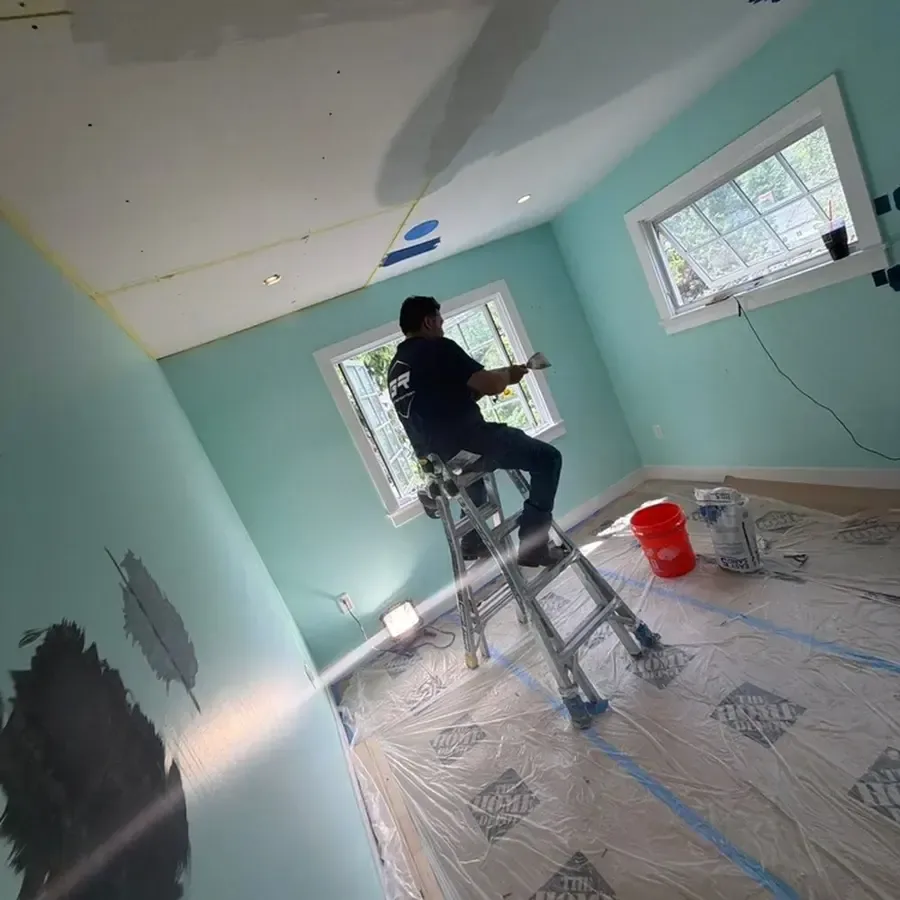
Cleanup matched to the source and materials
A leaking fixture and rising outdoor water need different handling. Select the situation below for practical precautions, likely cleanup tasks and the questions that shape a written scope.
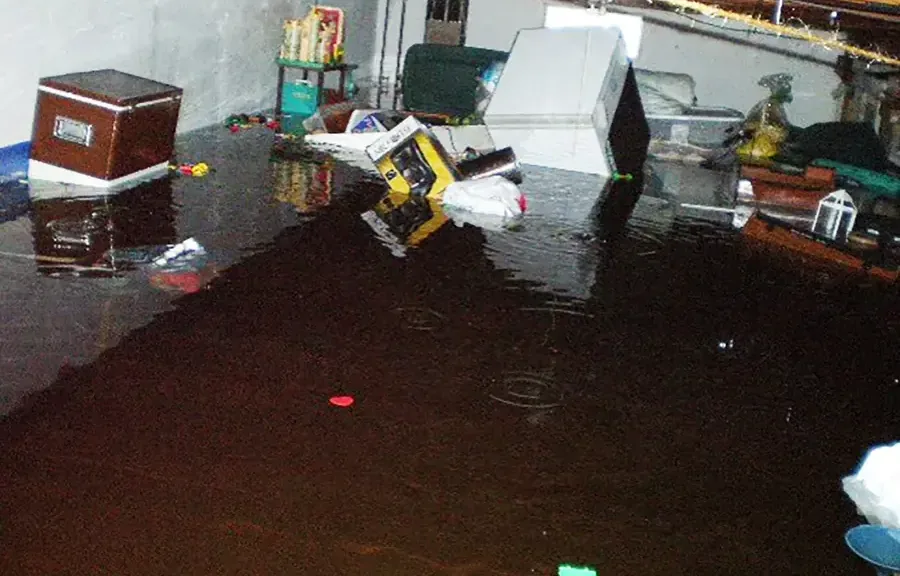
Basement Flood Cleanup
Lower rooms need careful pumping, contents sorting and checks behind finishes. Begin with the basement's access and water source.
See basement flood cleanup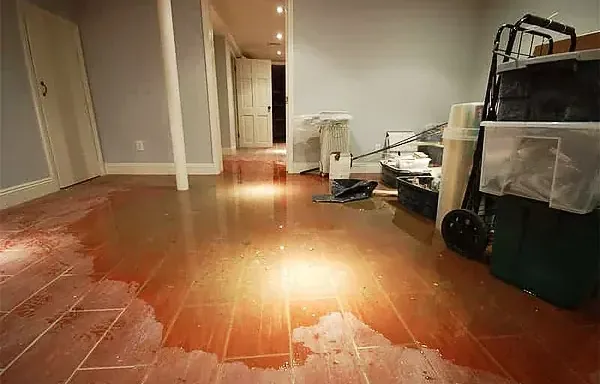
Sump Pump Failure Cleanup
An overflowing pit can keep feeding the floor. Pair pump troubleshooting with removal of escaped water and perimeter moisture checks.
See sump pump failure cleanup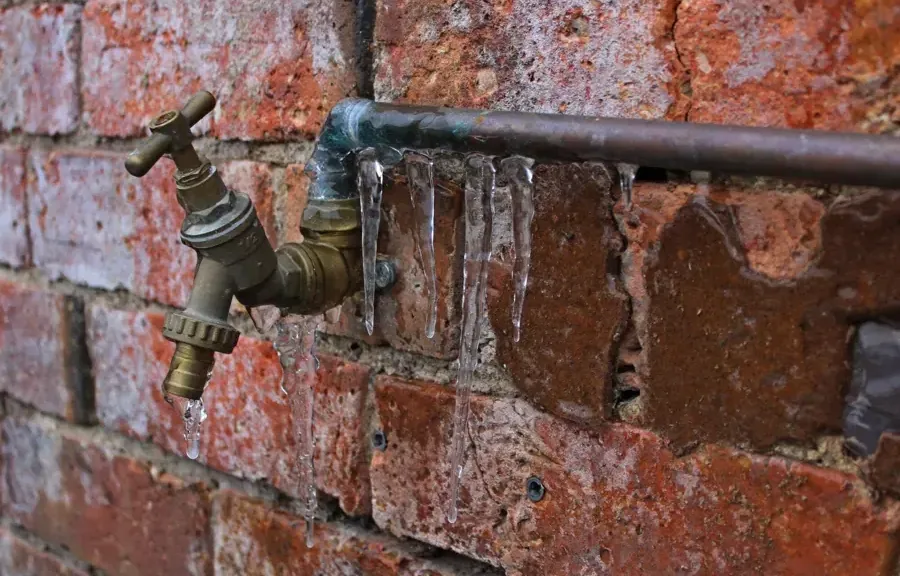
Frozen Pipe Water Damage
A thawing pipe may release water inside a concealed cavity. Trace the wet path while a plumber addresses the break.
See frozen pipe water damage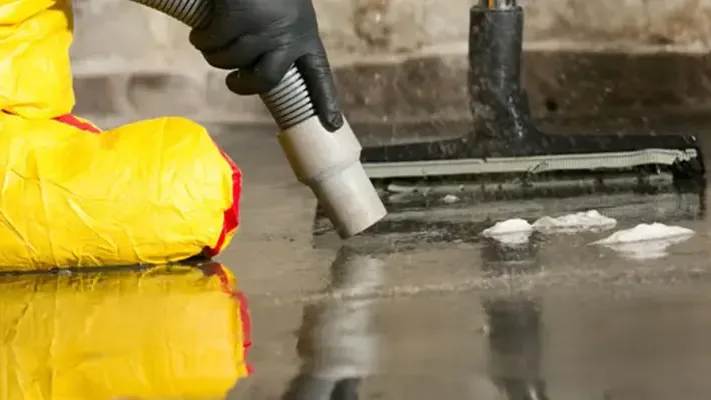
Emergency Water Extraction
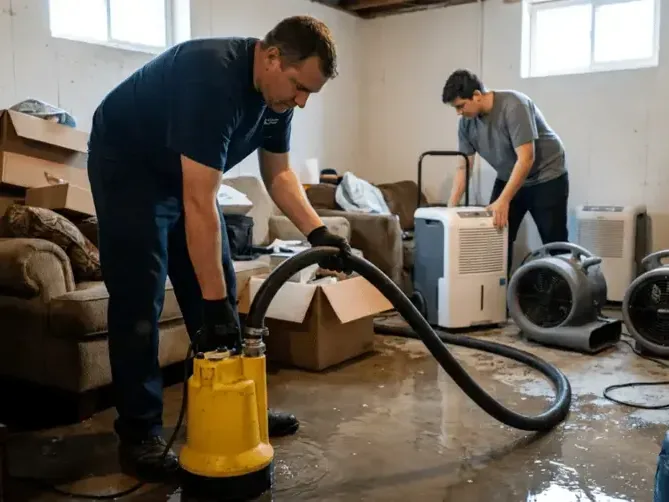
Standing water requires removal equipment suited to depth and access. Extraction prepares wet floors and connected spaces for further assessment.
Sewer Backup Cleanup
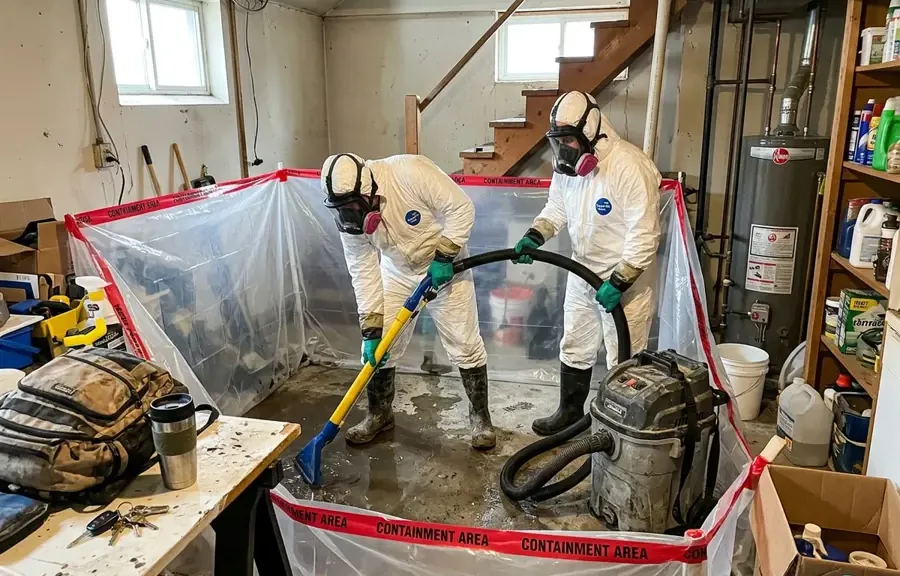
Wastewater changes the cleanup boundary. Keep people away while contaminated materials, cleaning needs and safe access receive separate attention.
Flood Cleanup
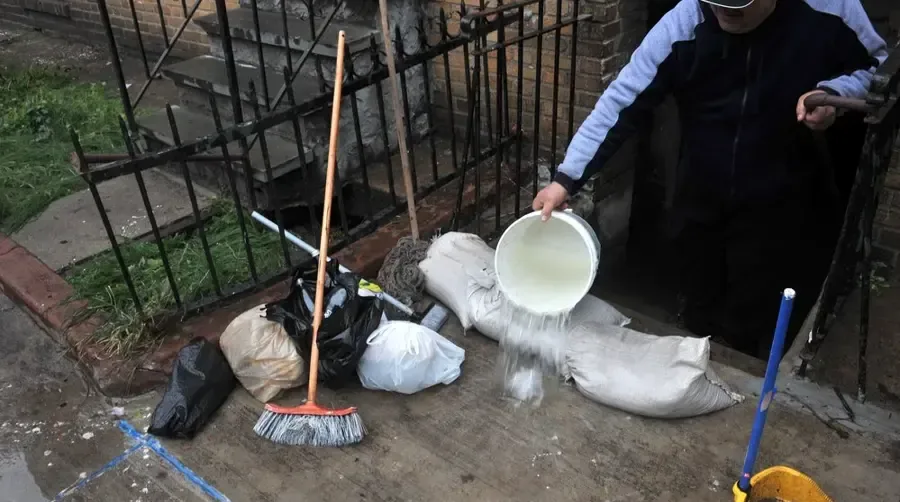
Outdoor floodwater can leave sediment underneath belongings and finishes. Plan removal, cleaning and drying around the actual entry route.
Foundation Seepage Cleanup
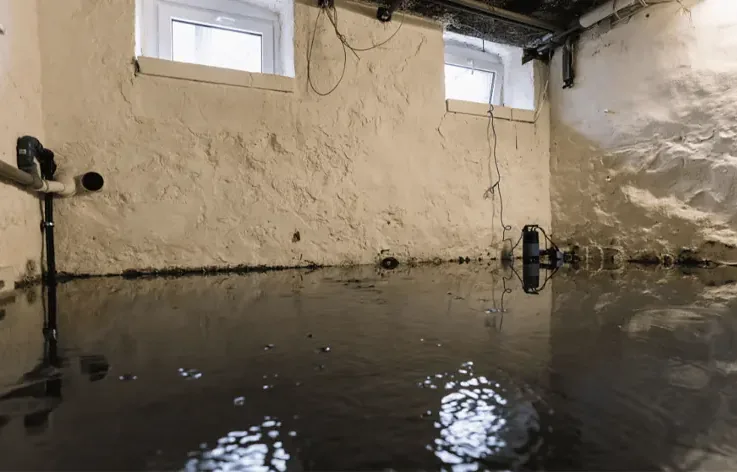
Damp wall bases deserve more than a quick wipe. Inspect the floor joint and nearby finishes for moisture trapped underneath.
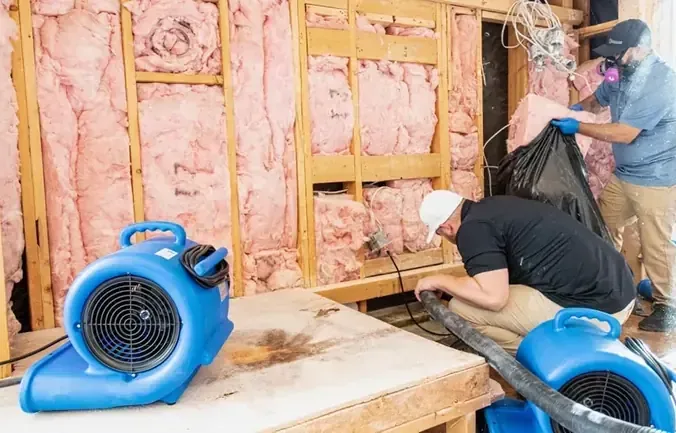
Burst Pipe Water Damage
Pressurized supply water can cross several rooms before discovery. Source isolation and a room map help organize the resulting cleanup.
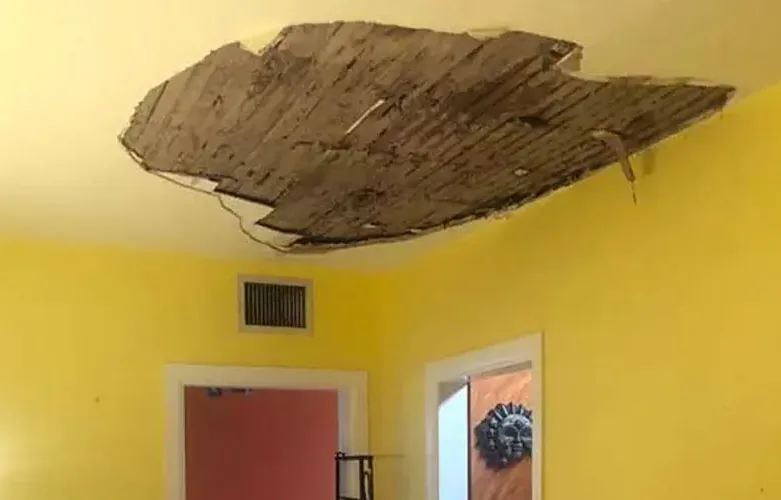
Roof Leak Water Damage
A roof opening can wet insulation before staining the ceiling. Coordinate roof repair with assessment of the materials below it.
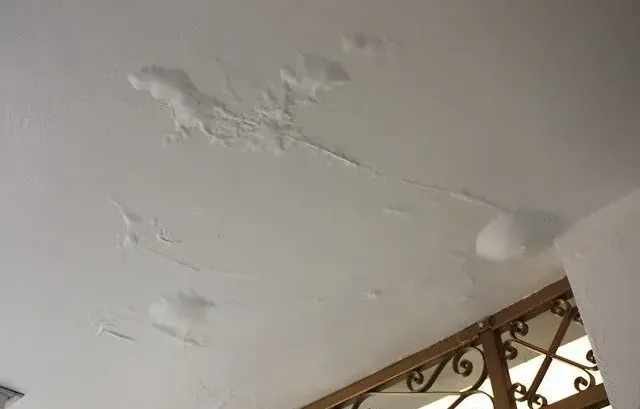
Ceiling Leak Water Damage
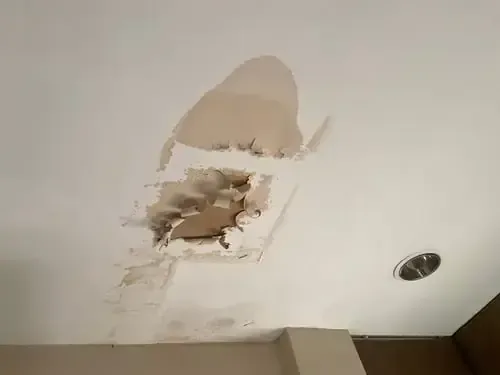
A swollen overhead surface needs a clear area beneath it. Locate the source before planning controlled access and cavity drying.
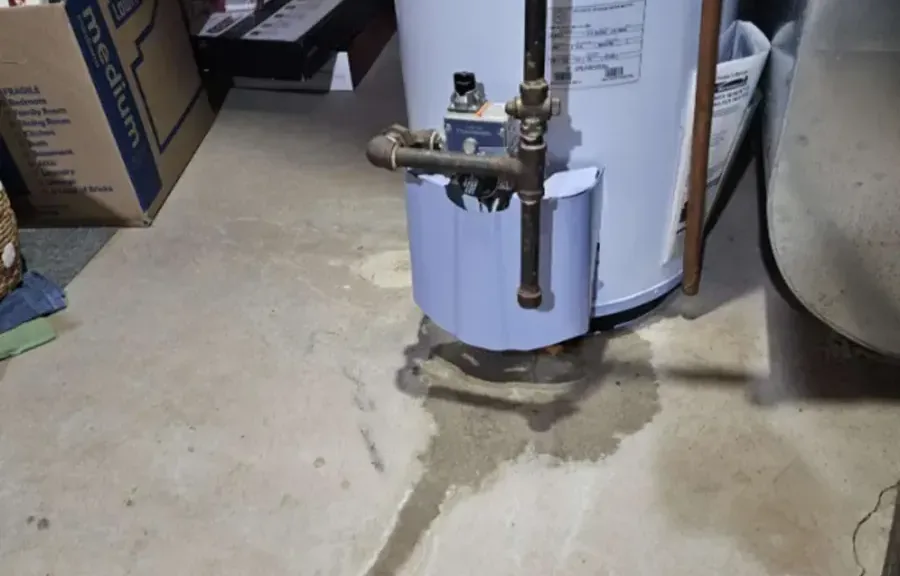
Water Heater Leak Cleanup
Tank water often spreads beneath nearby partitions or storage. Separate equipment service from the work needed to dry surrounding materials.
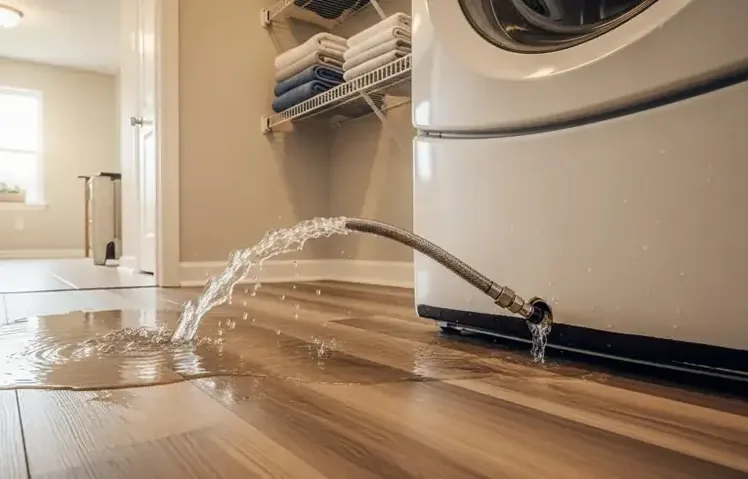
Appliance Leak Water Damage
A small appliance connection can soak a large concealed area. Check cabinet bases, floor seams and the space underneath equipment.
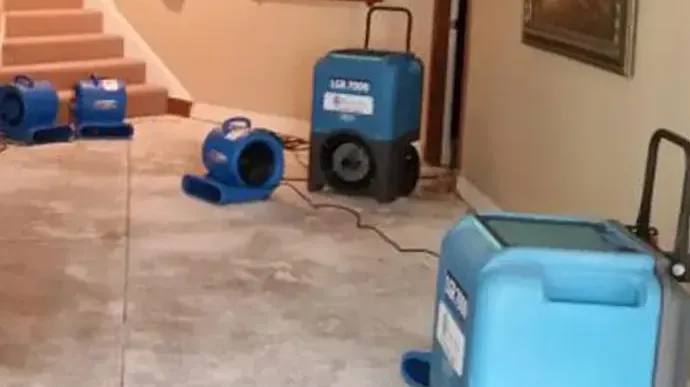
Structural Drying
Drying decisions follow readings inside affected assemblies. Equipment placement and repeated measurements help determine when materials are ready for repairs.
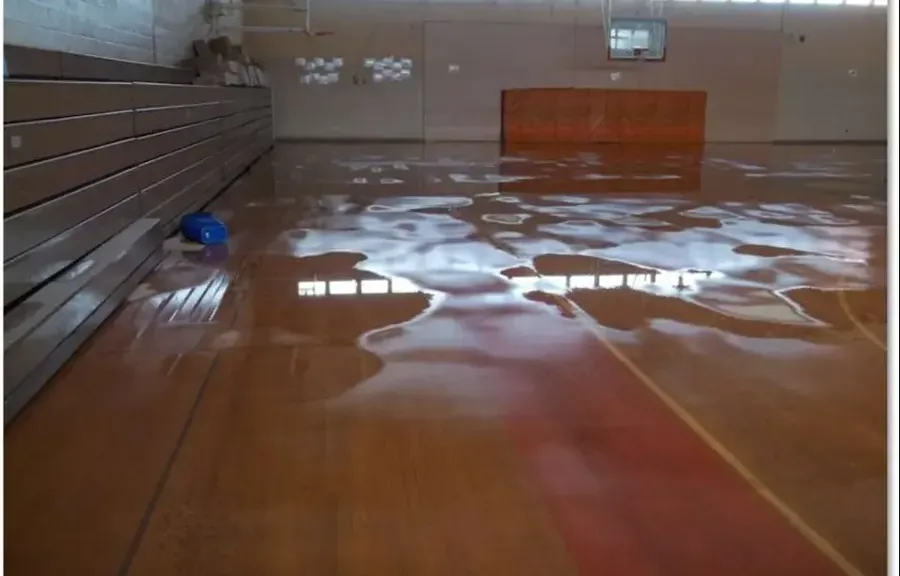
Commercial Water Damage
Water in a business affects access, contents and daily operations. Define work zones and recovery priorities before moving equipment inside.
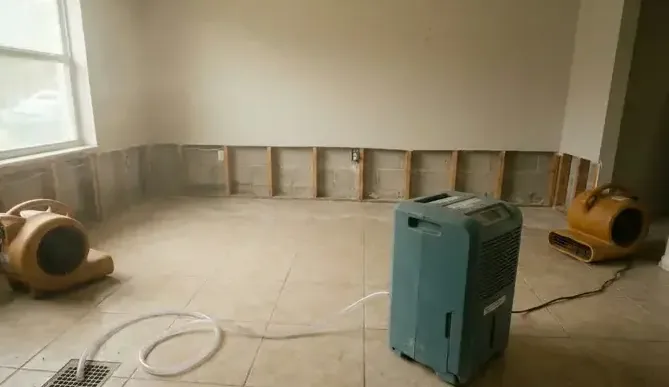
A useful scope answers practical questions
Homeowners need to understand why a wall needs opening or why equipment remains after a floor looks dry. Clear documentation connects those decisions to the observed damage and the measurements gathered inside the building.
Defined affected area
A room map distinguishes damaged surfaces from unaffected space, making the proposed work easier to assess before contents move or materials are removed.
Visible cost categories
Separate entries for extraction, cleaning, removal and drying help explain the estimate and give the homeowner a clearer basis for discussing changes.
Attention to contents
Belongings receive a handling plan alongside the structure, with damaged items documented and access preserved for household necessities whenever conditions allow safe retrieval.
Measurable completion
Drying records explain equipment adjustments and support the decision to finish mitigation, while remaining repair tasks stay visible in the final handoff documentation.
Put safety ahead of salvaging belongings
- 1
Check the threshold
Standing water near electrical equipment needs professional safety assessment before anyone enters or reaches for a switch inside the room.
- 2
Limit incoming water
A reachable shutoff in a dry location may stop a supply leak. Avoid crossing wet floors to reach plumbing controls.
- 3
Protect the exit
Keep a dry route available for occupants and responders. Leave unstable ceiling areas and contaminated rooms isolated from household traffic.
- 4
Record visible changes
Photograph water marks and damaged possessions from safe ground. Note when the problem was discovered and whether water is still entering.
- 5
Describe the layout
Explain stairs, affected rooms and heavy contents during the cleanup conversation so access and removal needs can be considered together.
Follow water from entry to dry materials
Restoration involves decisions at each layer of the room. Surface appearance, water condition and measurements together determine which materials can remain and which areas need access before equipment can work effectively.
- Step 1
Locate the active source
The inspection distinguishes incoming water from moisture already held in finishes, allowing plumbing or exterior repairs to be coordinated with the removal work.
- Step 2
Clear water and obstacles
Extraction and careful contents handling create access to affected surfaces, while damaged materials are evaluated before any broader removal is added to the scope.
- Step 3
Expose the drying path
Targeted openings may help moisture leave enclosed assemblies. Equipment selection follows the room conditions and the materials that remain after cleaning and removal.
- Step 4
Verify progress before closing
Repeated readings show whether drying is progressing through the affected structure. Repair planning starts after remaining moisture and unresolved source issues have been addressed.
What does cleanup cost in Cannon Falls?
Planning ranges depend on the wet area, water condition and access to hidden materials. A small contained loss needs different work from contaminated water beneath finished rooms. An inspection should separate extraction, removal, drying and repair allowances before approval.
Contained room loss
- Accessible water removal
- Limited finish disturbance
- Focused drying area
Connected room damage
- Several wet surfaces
- Selective material removal
- Expanded equipment placement
Complex water spread
- Concealed moisture assessment
- Contaminated material handling
- Broader drying scope
These figures support early planning. Actual charges follow the inspected damage, selected work and any additional wet materials discovered after access becomes possible.
Water appearance alone cannot set the scope
Supply pipe release
Fresh supply water still needs prompt removal and checks beneath adjacent finishes, especially when the leak traveled inside walls before discovery.
Trace a pipe releaseUsed appliance water
An appliance leak may involve wash water, connections or drainage. Identify the failed part and evaluate the surfaces the discharge reached.
Inspect appliance wettingSewage entering rooms
Wastewater requires restricted access and deliberate handling of contaminated contents. Porous finishes need assessment before cleaning or drying equipment is positioned.
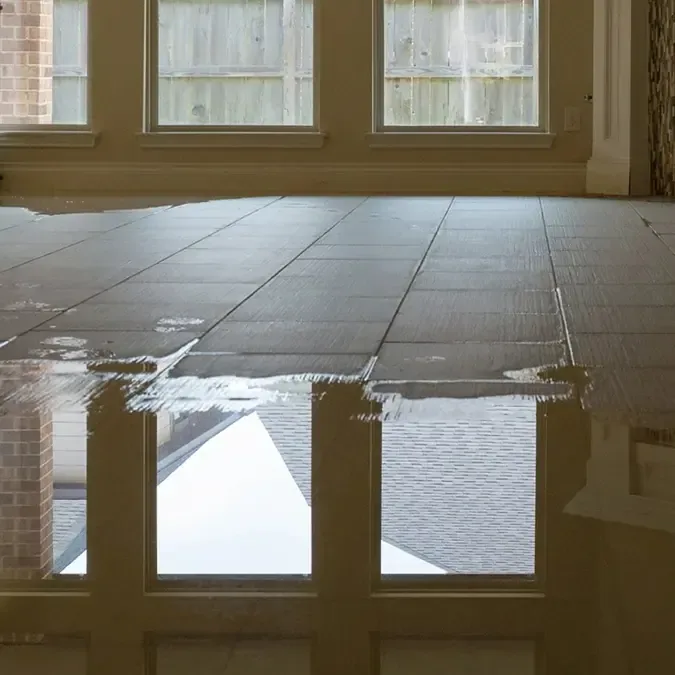
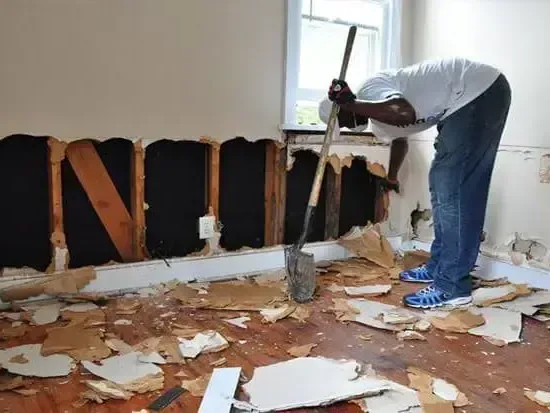
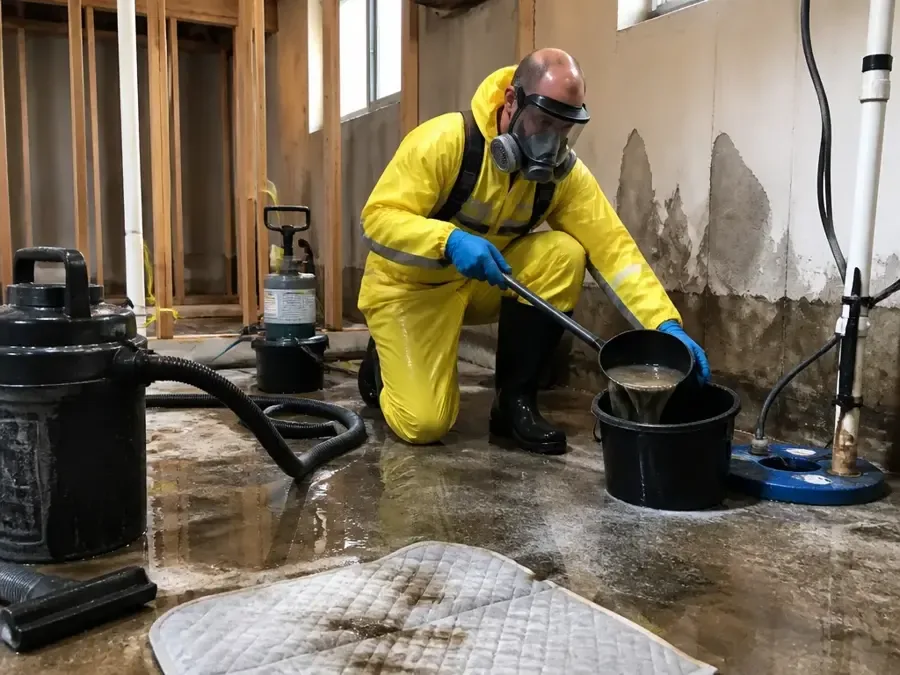
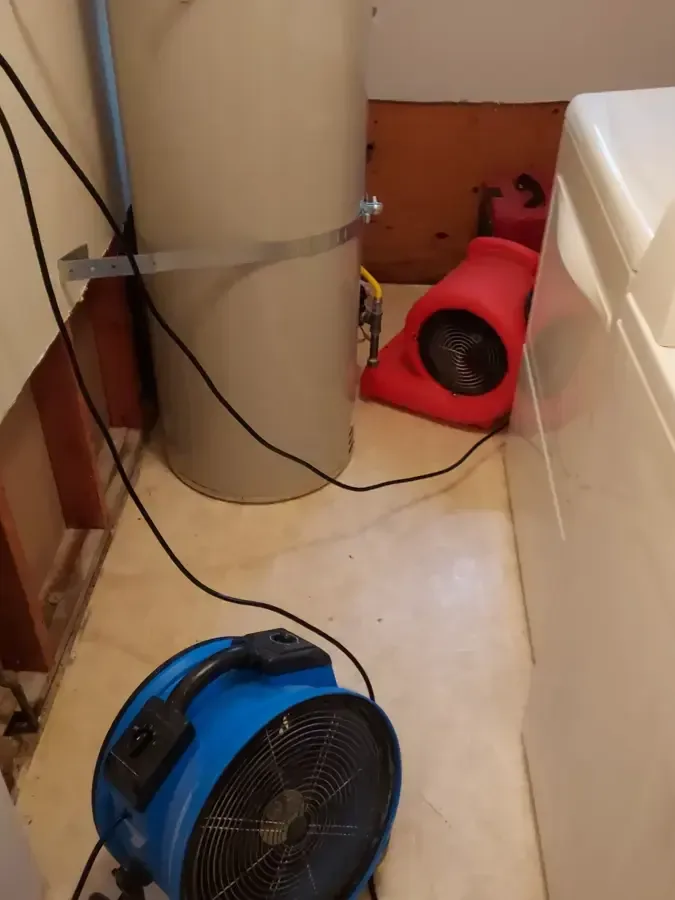
Explore sewage precautionsWater removal, opened surfaces and drying equipment
Document damage while arranging cleanup
Coverage decisions belong to the insurer. Photographs, a discovery timeline and a clear work scope help explain the loss without delaying necessary safety or mitigation decisions.
- Photographs of each affected room before contents move
- The discovery date and any observed entry point
- Descriptions of damaged possessions with available purchase records
- Separate estimates for mitigation and subsequent building repairs
- Receipts for authorized work and related emergency expenses
Before discarding damaged belongings
A homeowner should ask the insurer about documentation expectations, then photograph affected items and record identifying details when safe. Contaminated objects should stay separated from unaffected possessions while disposal decisions are made with the cleanup team.
The estimate should identify approved tasks and explain how newly discovered damage will be handled. Retaining copies of readings, invoices and correspondence keeps the claim record organized.
Describe the property and access route
Places around town
Local ZIP
Other town pages
Local flood history, individual building decisions
Cannon Falls experienced flooding after heavy rain in June 2012. The Cannon River and Little Cannon River rose during that event. A present cleanup plan still begins inside the affected building, with its entry points, contents and wet materials.
- Cannon River
The river supports canoeing and flows through the Byllesby reservoir. Water entering a building calls for attention to sediment and contamination.
- Cannon Valley Trail
Floodwater deposited sand on this trail in June 2012. Sediment inside a flooded room also needs removal before surfaces can be properly cleaned.
- Historic District
The district contains dining, shopping and service amenities. Water losses in businesses require access planning alongside protection of contents and finishes.
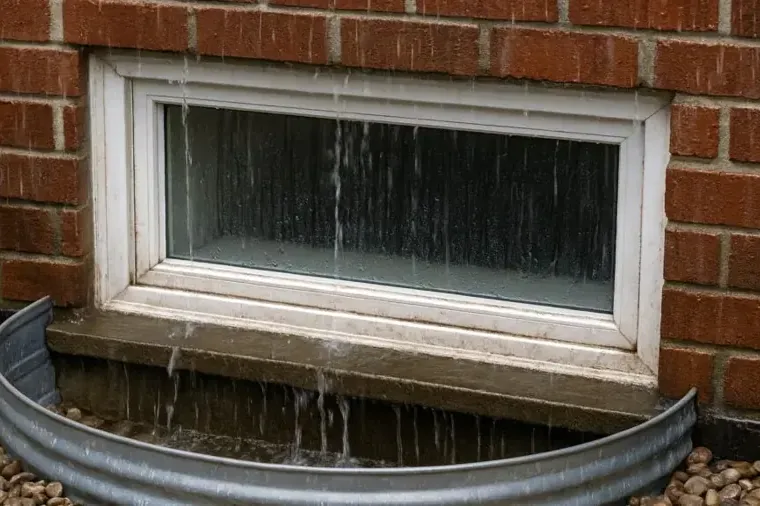
- Outdoor entry Water entering across a threshold or through a low opening can carry debris into corners and beneath movable contents inside affected rooms.
- Overhead escape A supply leak above a ceiling can spread sideways before dripping. The visible stain helps locate inspection areas but may understate the wet footprint.
- Pit overflow An installed sump pump that stops discharging can leave floor water spreading beyond the pit. Mechanical correction and indoor cleanup address separate tasks.
- Wastewater return Sewage emerging through a fixture requires an isolated work area. Avoid carrying affected belongings across clean rooms before their condition has been assessed.
- Trapped material moisture Floor coverings and wall cavities can retain water after puddles disappear. Moisture measurements help decide where access and continued drying are still needed.
Questions before water damage cleanup
What details matter during the first call?
The useful starting points are the apparent source, whether water is still entering, the affected rooms and any electrical or ceiling hazards. Stairs, restricted entrances and contaminated water also affect planning. Photos can help explain conditions when they can be taken safely.
Does water beside a river always mean flooding?
A wet room can result from plumbing, an appliance, roof entry or outdoor flooding. Inspection should identify the actual route before setting a scope. Nearby river geography and the city's flood history provide context, while the building's present conditions determine the cleanup work.
Can a floor look dry while damage remains?
Yes. Water may remain under flooring, behind baseboards or inside enclosed walls after the surface dries. Technicians compare readings across affected materials and check concealed areas when needed. Replacing finishes too early can close moisture inside the structure and complicate later repairs.
Is fixing a pipe part of removing water?
Stopping the plumbing leak and restoring wet materials are related but separate tasks. A plumber may need to repair the failed component while the cleanup team removes released water. The written scope should make responsibilities clear and explain any coordination needed before drying begins.
What should happen to wet stored belongings?
Items should be assessed according to their material, water exposure and condition. Safe, dry items can be separated from damaged possessions. Photograph losses before disposal when practical, and keep contaminated belongings isolated so handling does not spread dirty water into otherwise unaffected areas.
Who handles municipal water and sewer concerns?
The Cannon Falls Public Works Department is responsible for the city water, sewer and storm sewer systems. A suspected municipal issue should be reported through city channels. Interior cleanup still requires assessment of the affected building and coordination with any necessary plumbing work.
How are repair permits and inspections arranged?
Building permits are available through the City of Cannon Falls website or at City Hall, and applications can be submitted in person or by mail. Goodhue County schedules building inspections. The repair contractor should clarify requirements for the proposed work before reconstruction proceeds.
Does every wet wall need full removal?
Removal depends on contamination, material condition and whether the assembly can be dried effectively. Some surfaces may remain with suitable access and monitoring; others need replacement. The estimate should explain the reason for each opening and distinguish inspection access from broader repair work.
When can furnishings go back into the room?
Furniture placement should follow drying verification, cleaning and completion of any work that affects safe use. Putting heavy items against damp walls or over wet flooring can obstruct drying. The final walkthrough should identify remaining repairs and explain which areas are ready for normal use.
Start with the source and affected rooms
Cannon Falls cleanup planning brings water removal, material assessment and drying into a clear sequence. Explain the visible damage and access conditions to begin a scope suited to the property.
(888) 432-4933Arrange a room by room assessment- Hastings, MN · Dakota County
- (888) 432-4933, open 24/7
- Dried to the IICRC S500 standard
- Find us on Google