Emergency Water Extraction in Hastings, MN
The extraction crew removes standing water and checks where it has soaked into surrounding materials. Hastings properties need the method matched to the source, floor assembly and safe access before air movers and dehumidifiers begin the remaining dry-out.
(888) 432-4933Arrange extraction of pooled indoor water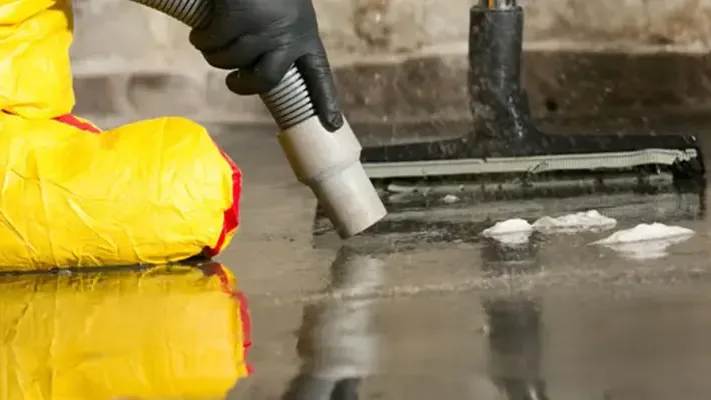
How emergency water extraction is handled in Hastings
The restoration specialist records the wet boundary before selecting equipment. Daily material readings and room conditions determine the next adjustment, with the final inspection checking concealed layers as well as exposed surfaces.
- 1
Assess safe entry and category
The inspector identifies the source, electrical concerns and affected surfaces before selecting pumps or extraction attachments. Contaminated water changes both protection and disposal requirements.
- 2
Remove the free water
The crew works through accessible pooled areas and absorbent surfaces suited to extraction. The operator avoids treating damaged or contaminated finishes as automatic salvage candidates.
- 3
Inspect below the visible edge
Moisture mapping checks connected rooms and accessible underlying layers. The technician documents what remains damp after the floor no longer carries standing water.
- 4
Define the drying scope
The contractor explains which assemblies need dehumidification, airflow or access openings. Written records separate completed extraction from ongoing drying and any later reconstruction.
Removing standing water reduces the moisture that can continue soaking into finishes. It also makes the room easier to assess. Extraction is a distinct stage, not a promise that the structure is dry when the hose leaves. The technician checks beneath accessible finishes and maps the remaining damp materials before selecting drying equipment.
First steps for emergency water extraction in Hastings
- 1
Keep away from live electrical hazards
Residents avoid standing water near outlets, extension cords and appliances. Safe power assessment takes priority over trying to recover belongings or start a household vacuum.
- 2
Limit the water source
A safe supply shutoff can reduce a plumbing release. Outside entry and drain backups require different action, so the household should describe what is actually visible.
- 3
Protect the dry access route
People and pets remain outside the wet area. The crew needs a clear route that does not carry contaminated water through unaffected living space.
- 4
Request the extraction assessment
24/7 dispatch collects details about depth, room surfaces and continuing entry. Photos taken safely can help explain where the water spread before equipment arrives.
What does emergency water extraction cost in Hastings, MN?
Water extraction often starts around $800 to $3,500, with drying, contaminated-material removal or repairs adding separate work. Area, depth, access and the flooring assembly determine whether the job needs straightforward surface extraction or a more extensive removal setup.
Accessible floor water
- Limited pooled area
- Straightforward equipment access
- Initial moisture inspection
Several connected rooms
- More extraction passes
- Floor transition checks
- Broader wet-boundary mapping
Deep or difficult access
- Pumping setup assessment
- Debris and source concerns
- Larger removal workload
These planning ranges are not a quote. Water category, affected square footage, material class and the delay before drying all influence the scope. Compare the inputs in the Hastings water damage cost calculator for a closer range.
Choose extraction by the water and the surface
The same equipment arrangement does not suit a tiled utility area, a padded carpet or a flooded lower level. The extraction specialist considers water depth, debris, contamination and access to the discharge route. Clean-water salvage decisions differ from the removal of porous material touched by sewage. Electrical hazards and unstable finishes can delay entry until the space is made safe.
- Remove loose water before trying to evaporate moisture from the room.
- Use attachments appropriate to the flooring and its condition.
- Inspect transitions where water has passed beneath adjacent finishes.
Follow local water paths without guessing the cause
The Vermillion River, Lake Isabel and Lake Rebecca are local water features, while the Mississippi River borders the north. Extraction begins by separating outside entry from an appliance or pipe release inside the building. The crew asks how the water appeared and follows the entry path. Near Downtown or elsewhere, source identification prevents a clean-supply assumption from shaping the wrong disposal and cleaning plan.
- Note whether the water rose from a drain or crossed a doorway.
- Check rooms connected through a low threshold or plumbing opening.
- Record sediment or residues before extraction changes the scene.
Move from water removal to verified drying
After extraction, the drying specialist measures the subfloor, trim and accessible wall bases. A floor can look clear while the layers beneath remain damp. The structural drying process sets equipment around those readings. Where water collected downstairs, basement flood cleanup adds the lower-level access and material questions. The job record should make clear which stage has finished and which materials still need monitoring.
Emergency water extraction across Hastings and Dakota County
The restoration team serves ZIP 55033, including Downtown and homes around Lake Rebecca and Lake Isabel. Access, the water source and the rooms affected shape each inspection and equipment plan.
Nearby coverage reaches Prescott, Cannon Falls, Red Wing, Farmington and Oak Park Heights.
Related water damage services in Hastings
Emergency Water Extraction questions in Hastings, MN
Is extraction enough if the room looks dry afterward?
Not necessarily. Extraction removes free water, but pad, wood and wall materials can retain moisture. The technician checks those layers before deciding whether drying equipment is needed.
Can a household wet vacuum handle the loss?
Electrical safety, water contamination and the volume matter. A household machine is not a substitute for evaluating sewage, hidden saturation or unsafe power. The inspection determines an appropriate removal method.
Does every wet floor need to be removed?
No. The material condition, contamination and access to trapped moisture guide the decision. Some sound clean-water materials can dry in place; others conceal moisture or have damage that changes the scope.
What happens to water inside carpet pad?
The crew evaluates the carpet and pad separately. Extraction from the carpet face alone may leave the underlying cushion saturated, and contamination can require disposal rather than salvage.
Why map moisture before and after extraction?
The first map documents the initial spread; the next identifies what extraction did not remove. Comparing those records helps place drying equipment and prevents an apparently clear floor from ending the job prematurely.
Is emergency removal available overnight?
24/7 dispatch supports active water losses. The team reviews the source, safe access and affected rooms when discussing availability. After extraction, material readings guide the drying schedule and any follow-up equipment needs.
Get the bulk water out and the remaining moisture mapped
The extraction crew evaluates the source and surfaces, then the drying specialist checks what remains below them. Call with the rooms and materials affected.
(888) 432-4933Begin the indoor water-removal assessment- Hastings, MN · Dakota County
- (888) 432-4933, open 24/7
- Dried to the IICRC S500 standard
- Find us on Google