Prescott Water Damage Restoration
Water crossing a doorway deserves attention before the stain spreads. Prescott property owners can arrange extraction, damaged material assessment and measured drying, with the cleanup organized around the source and the rooms affected.
(888) 432-4933Discuss the rooms affected todayCleanup planning starts with the wet materials and safe access inside.
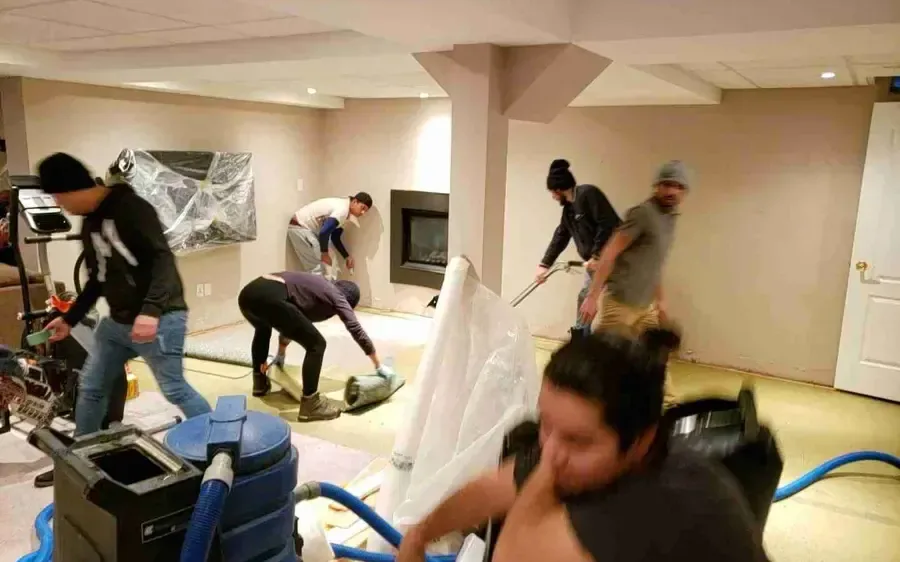
Choose the problem that matches the damage
A leaking appliance needs a different approach from water arriving through a basement opening. These services explain the work involved, the immediate priorities and the path toward repairs.
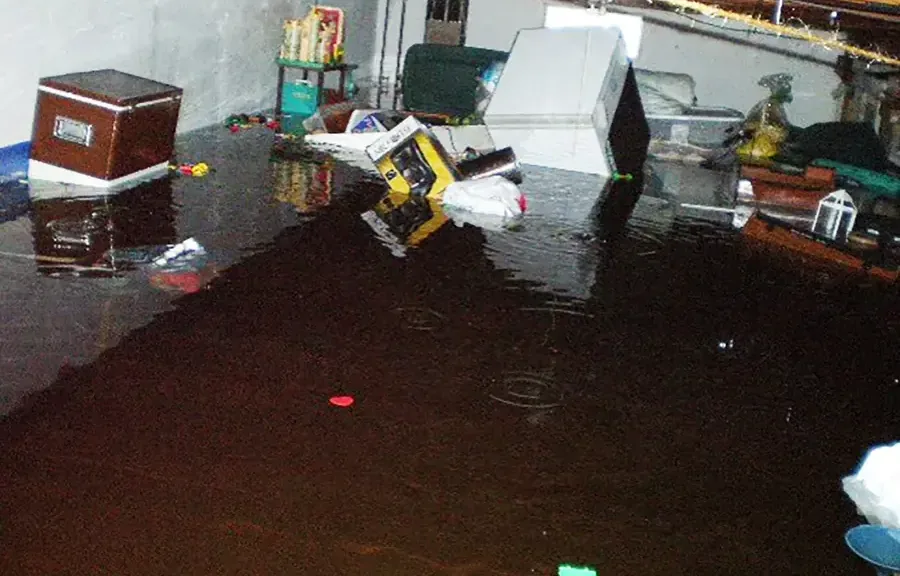
Basement Flood Cleanup
Lower rooms need careful inspection behind finished walls, beneath floor coverings and around stored belongings before rebuilding can be planned.
See basement flood cleanup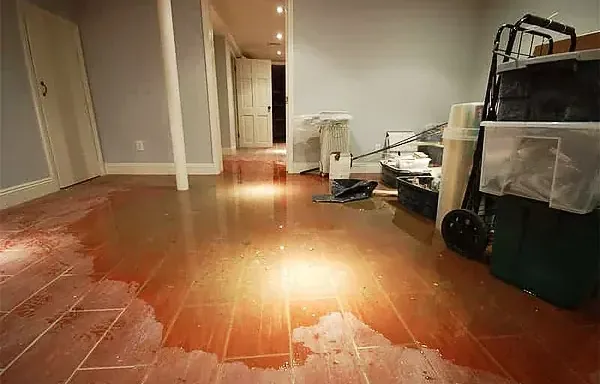
Sump Pump Failure Cleanup
An overflowing pit leaves both a pumping problem and wet materials. Equipment repair and cleanup need coordinated attention from the start.
See sump pump failure cleanup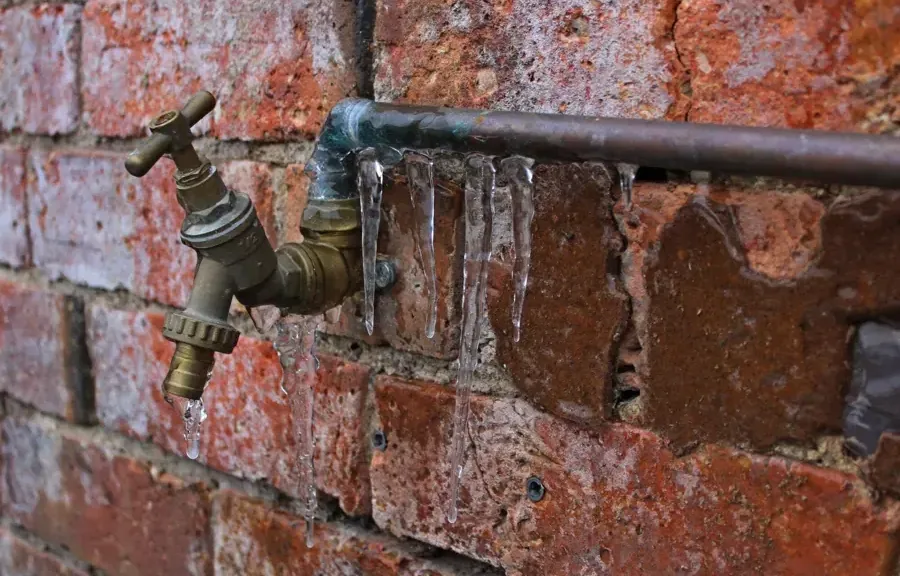
Frozen Pipe Water Damage
Water released during thawing can travel inside walls. The damaged pipe route determines which adjoining surfaces need opening and drying.
See frozen pipe water damage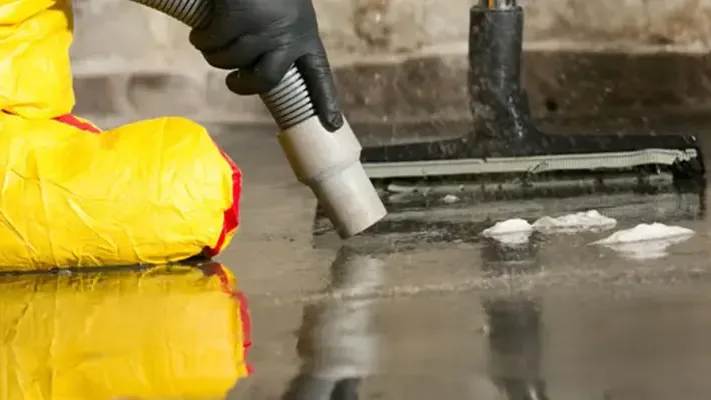
Emergency Water Extraction
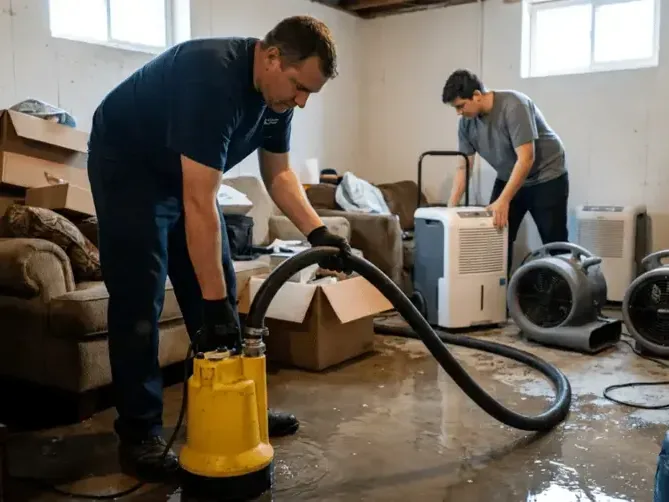
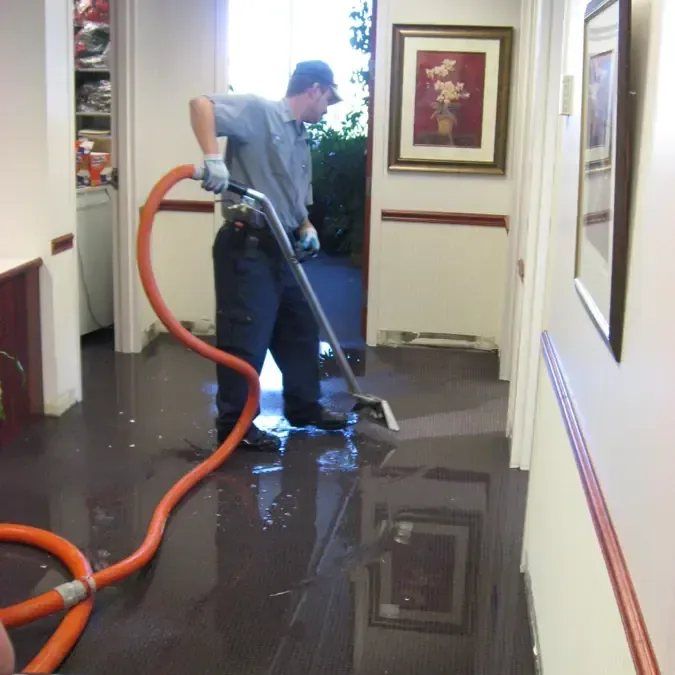
Standing water removal begins with source control and access checks, then follows the puddles into connected rooms and absorbent finishes.
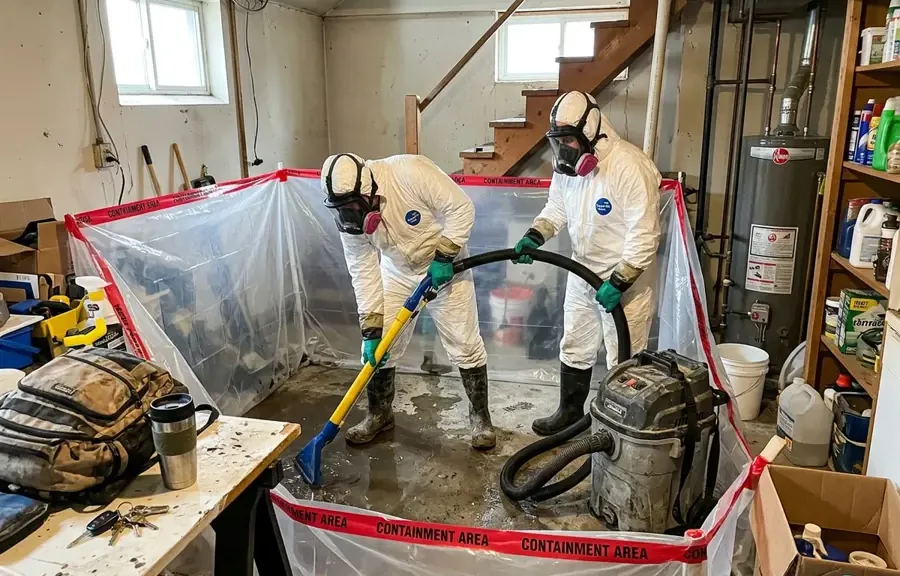
Sewer Backup Cleanup
Wastewater requires an isolated work area, controlled removal and cleaning before the remaining structure can begin its measured drying period.
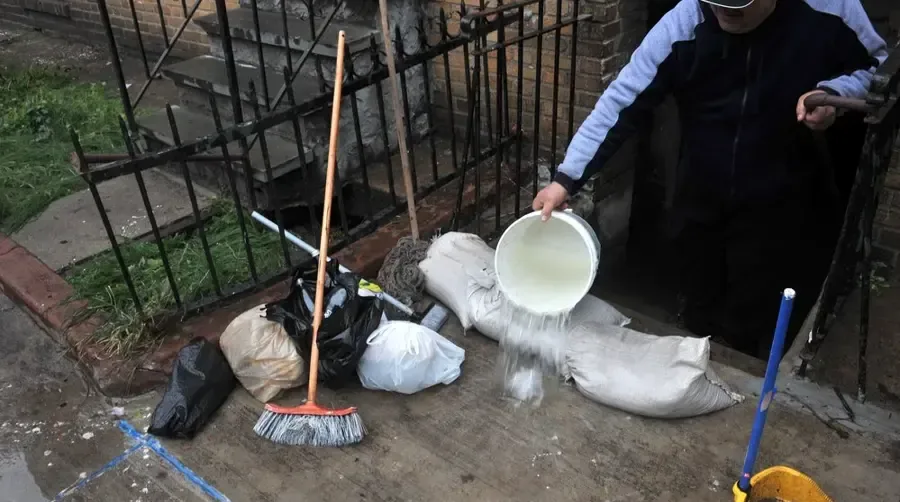
Flood Cleanup
Outdoor water brings debris into the building. Cleanup sorts affected materials by contact and condition while documenting the full entry path.
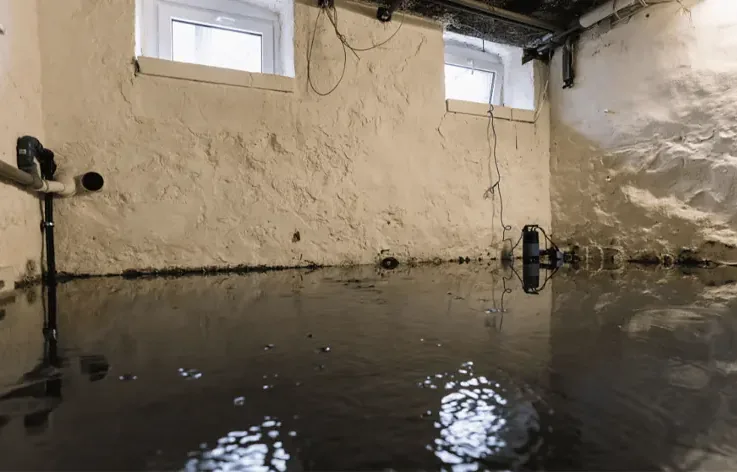
Foundation Seepage Cleanup
Damp floor edges call for inspection at the wall base, including concealed finishes and the exterior drainage conditions needing separate attention.
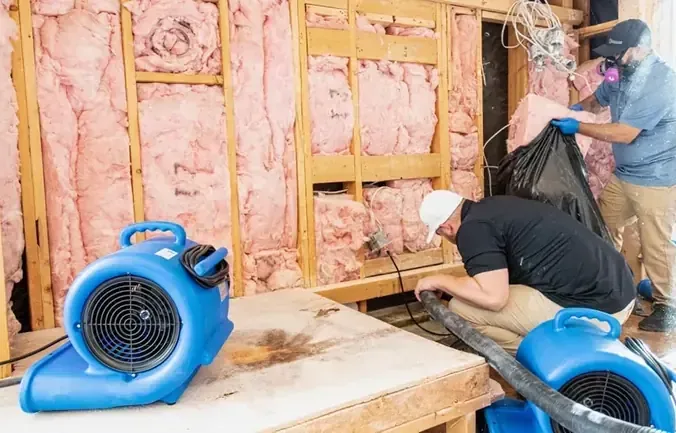
Burst Pipe Water Damage
A broken supply pipe can soak several assemblies at once. Water tracking continues beyond the repaired fitting into floors and ceilings.
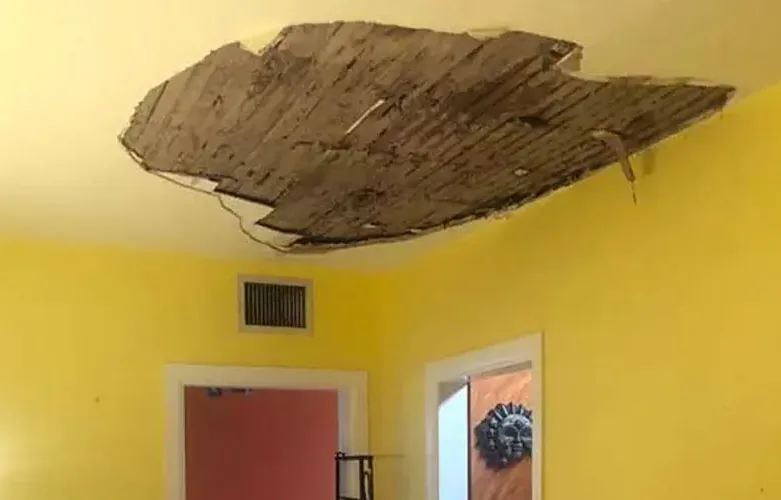
Roof Leak Water Damage
Roof entry and indoor drying are separate parts of recovery. Attic insulation, upper walls and ceiling cavities receive individual attention.
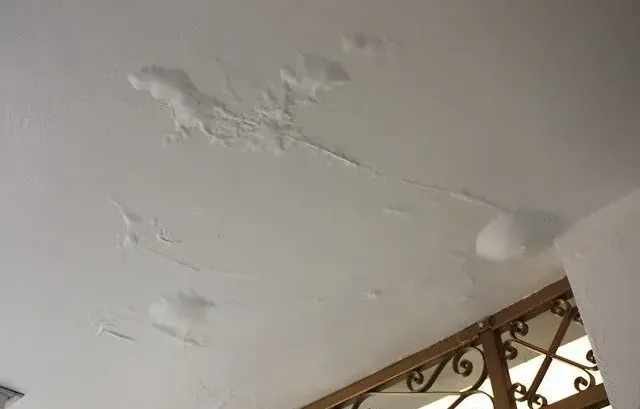
Ceiling Leak Water Damage
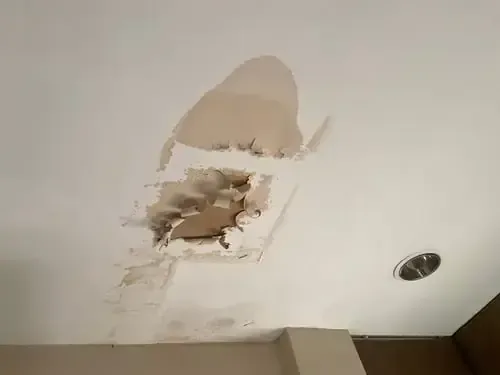
A discolored ceiling may hold more water overhead. Safe access and cavity inspection come before patching, painting or replacing damaged panels.
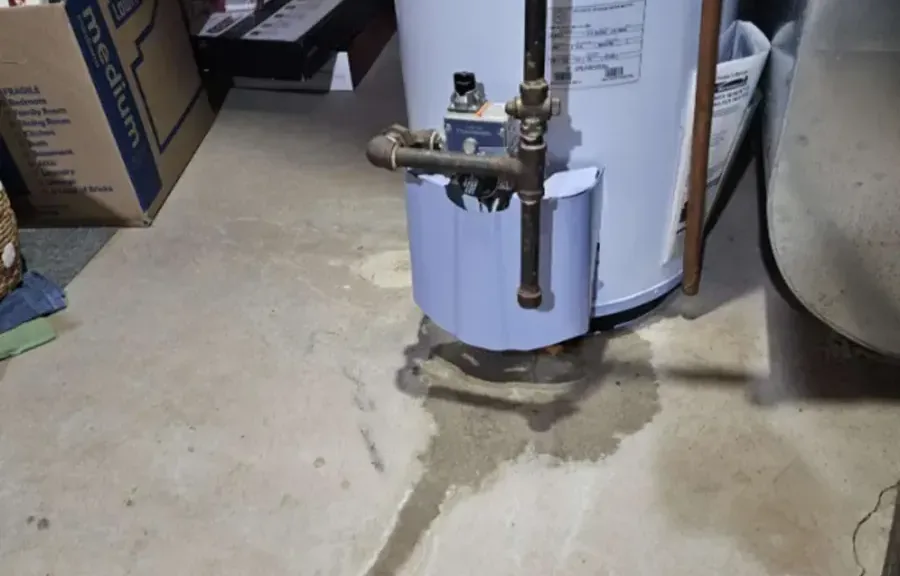
Water Heater Leak Cleanup
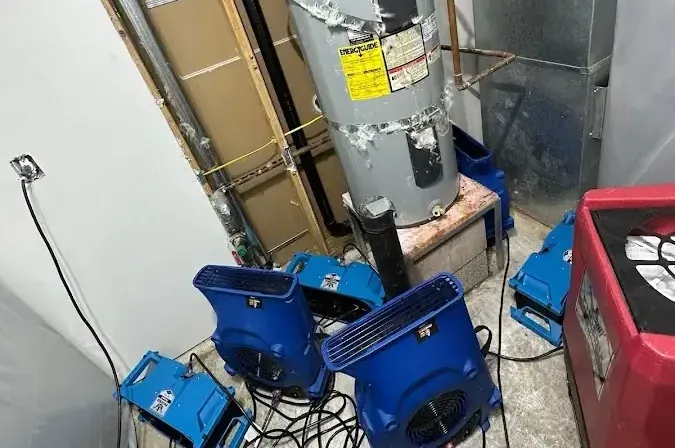
Tank leaks often wet tight utility spaces. Cleanup follows escaped water around equipment, along wall bases and into adjacent finished areas.
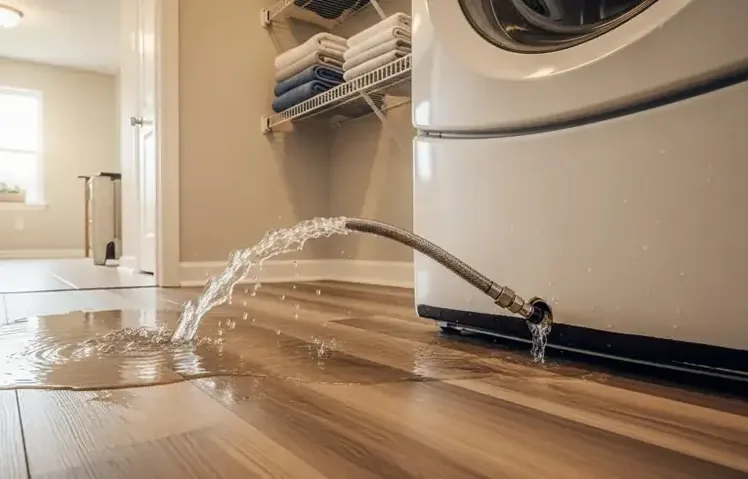
Appliance Leak Water Damage
Cabinet recesses and appliance platforms can conceal moisture after a spill. Inspection follows the actual supply, drain and flooring arrangement.
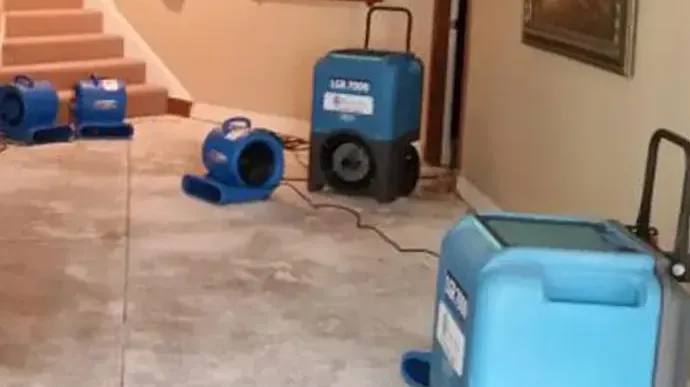
Structural Drying
Moisture readings set the drying plan for framing and finishes. Equipment changes follow material progress until the affected assemblies reach completion.
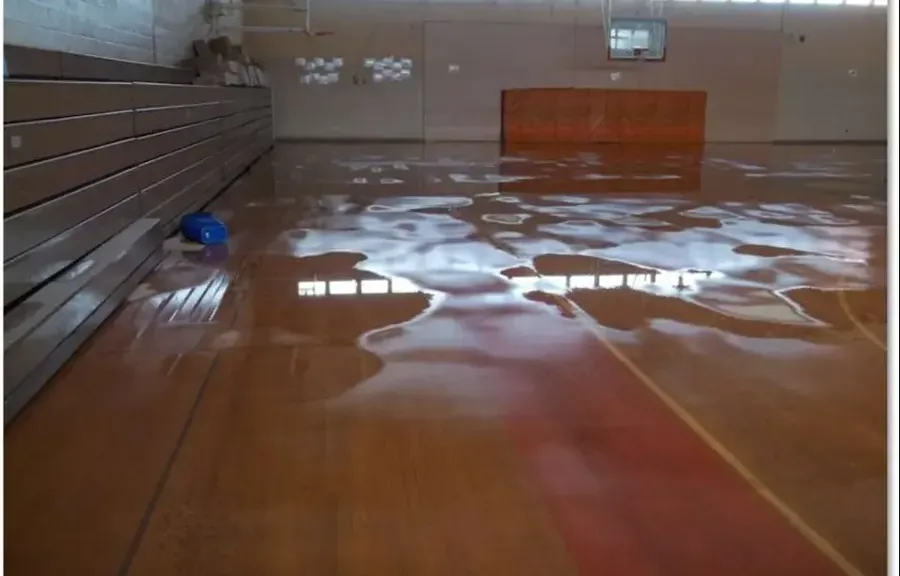
Commercial Water Damage
Business cleanup separates wet work zones from occupied areas, protects accessible stock and records conditions for coordinated repair and reopening decisions.
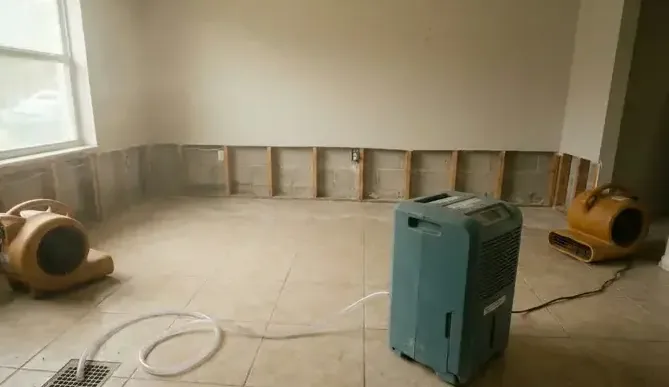
A cleanup scope that explains the work
Owners need to understand which tasks stop further wetting, which remove damaged materials and which prepare the rooms for repair. A written scope keeps those decisions visible while conditions inside the building change.
Source specific planning
A roof opening, leaking tank and sewer backup each require different coordination. The cleanup plan identifies the source work alongside interior recovery needs.
Respect for retained finishes
Removal decisions account for contamination, physical damage and drying access, helping distinguish materials that can remain from those that need replacement before repairs.
Readable progress records
Room photos and moisture notes connect equipment use to the affected surfaces, giving owners a practical way to follow the work as drying advances.
Defined repair boundaries
The completion discussion separates finished cleanup from reconstruction, including any open cavities, damaged trim or flooring areas awaiting another contractor and applicable inspection decisions.
Early choices can limit additional damage
- 1
Keep the route safe
Occupants should remain outside rooms with wet electrical equipment, unstable ceilings or wastewater until appropriate access precautions are established.
- 2
Locate the water source
A reachable household shutoff may stop a supply leak; active exterior entry or backed up drainage needs its own response.
- 3
Record visible conditions
Photos of the entry point, affected rooms and damaged belongings help preserve the sequence before cleanup changes the scene.
- 4
Separate dry belongings
Movable items in unaffected areas can stay clear of the cleanup route, reducing handling and protecting access for extraction equipment.
- 5
Describe the affected surfaces
The first conversation should cover flooring, wall finishes, standing water and whether the source remains active inside the building.
Drying decisions follow the building
Surface appearance is only part of the inspection. Water can remain behind trim or under flooring after puddles disappear, so a useful work plan records affected assemblies and checks them throughout drying.
- Step 1
Map the spread
An initial walk through records wet rooms, likely travel paths and accessible dry comparison areas before equipment placement or selective opening begins.
- Step 2
Remove trapped water
Extraction reaches open flooring first, followed by assessment of absorbent layers and concealed spaces that may require access for effective moisture removal.
- Step 3
Adjust the drying zone
Airflow and humidity control are arranged around retained materials, with readings used to change equipment placement as different surfaces respond to drying.
- Step 4
Document the finish point
Final material checks and removal notes provide the repair contractor with a clearer account of what remains, what changed and which areas need rebuilding.
What affects water cleanup costs in Prescott?
A small accessible spill and a finished room with concealed water require different work. Prescott cleanup pricing depends on water conditions, affected materials, removal access and the drying plan. An inspection should connect the estimate to specific rooms and tasks.
Limited surface spread
- Accessible floor extraction
- Localized material checks
- Compact drying setup
Connected room damage
- Multiple wet surfaces
- Selective finish removal
- Documented equipment changes
Extensive interior loss
- Broader removal access
- Complex cleaning needs
- Several drying zones
These planning ranges describe cleanup scope. Pipe repairs, replacement equipment and finish reconstruction need their own clearly described pricing before that work proceeds.
The source changes the cleanup plan
Fresh supply release
A broken indoor pipe may send water through wall cavities before the leak becomes visible. Isolation and the travel path shape the response.
Follow a supply releaseAppliance escape
Water beneath a refrigerator or washer can reach seams and cabinet bases. Appliance cleanup addresses the hidden footprint as well as exposed room surfaces.
Inspect the appliance footprintWastewater intrusion
A drain backup calls for controlled access and careful handling of contacted materials before cleaning and drying can proceed safely.
Understand contaminated material removalWater removal and access to wet materials
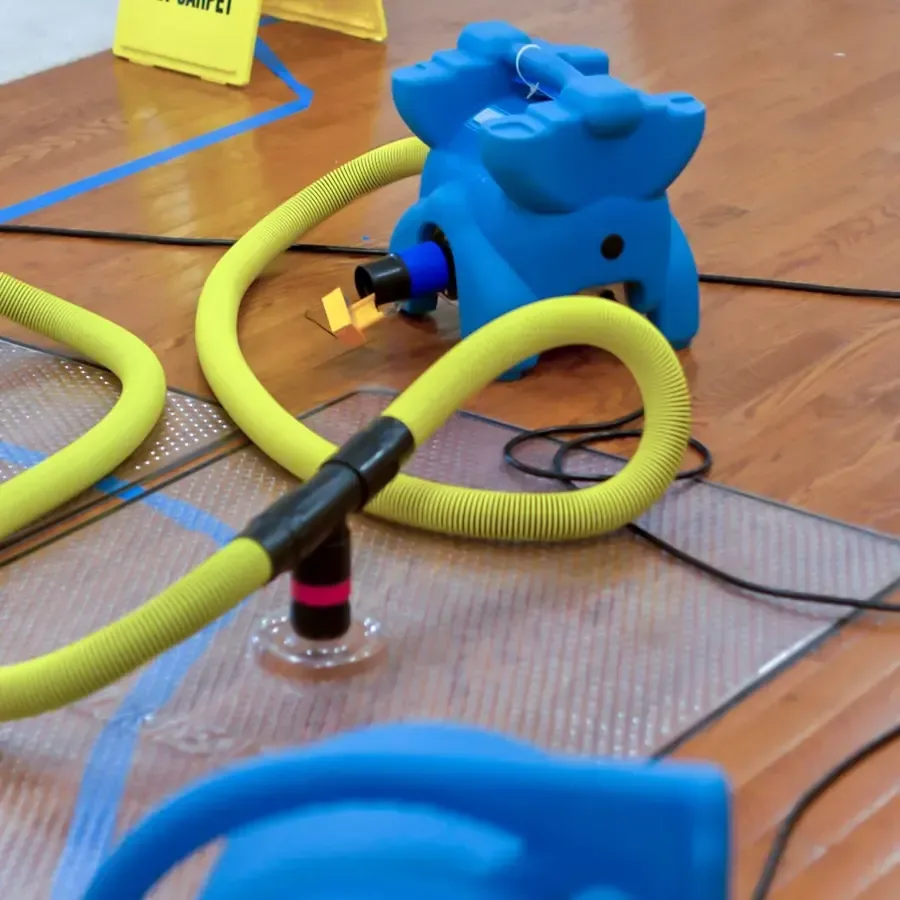
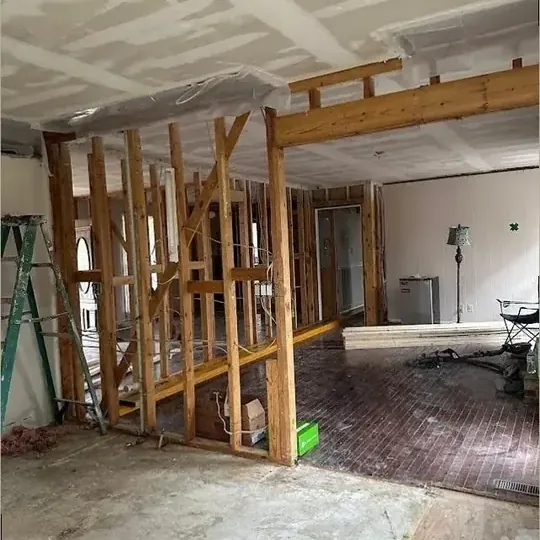
Records that explain the loss
Useful claim records show the source, affected areas and work performed. Owners can organize photographs, invoices and drying notes while discussing policy questions directly with the insurer.
- Photographs showing the first visible water entry
- Room notes describing affected finishes and stored belongings
- Receipts for emergency removal and related repair work
- Material readings recorded during the drying process
- Written explanations for changes to the cleanup scope
Planning payment without a claim
An owner paying directly can request a written breakdown of extraction, disposal, drying and monitoring. Comparing those tasks with the observed damage makes the estimate easier to assess than an equipment total alone, especially when concealed wetting changes the original plan.
Payment arrangements and authorization should be settled before work expands. Any rebuilding proposal can then reference the completed cleanup record and the finishes that still need replacement.
Prescott cleanup coordination
Useful location references
Local ZIP
Additional service areas
Recovery decisions for a river city
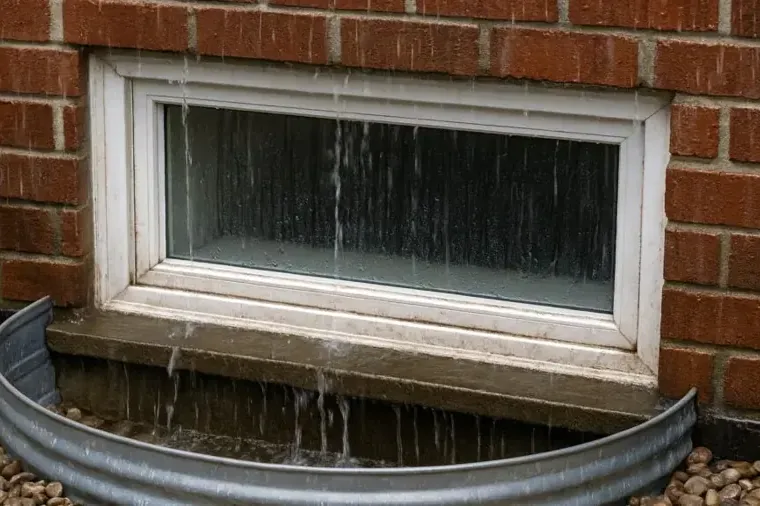
Prescott sits where the St. Croix River meets the Mississippi River. Inside a damaged building, the important starting point is the actual water entry route, followed by the condition of contacted materials and the access needed to dry them.
- Walnut Circle
This approved subdivision lies near Walnut Street and Dexter Street. A cleanup assessment follows the individual home's layout and wet materials.
- City utilities
Public Works operates the water, wastewater and storm water utilities. Identifying which system needs attention helps coordinate source correction with interior cleanup.
- Building inspections
All-Croix Inspections provides city building inspections. Basement remodeling and mechanical or structural changes require attention to the applicable permits during repair planning.
- Concealed wall moisture Paint can remain intact while the material behind it is wet. Checks at wall bases and openings help establish the actual spread.
- Overhead water movement A ceiling stain may sit below water that traveled along framing. Assessment includes the cavity and supporting materials before cosmetic repairs begin.
- Contaminated contact Sewage and outdoor floodwater change handling requirements. Affected porous materials need careful evaluation, and clean areas need protection during removal and cleaning.
- Repeated entry New water reaching a drying room can delay recovery. The entry source needs attention alongside extraction so the drying plan can progress.
- Premature rebuilding Installing finishes over damp framing hides unfinished work. Material measurements and inspection requirements should be addressed before walls or ceilings are closed again.
Questions before cleanup begins
What information helps during the first cleanup conversation?
A useful description identifies the source, rooms involved, standing water and any electrical concerns. Owners can also mention floor coverings, finished walls and whether water is still entering. Photos help explain access and visible damage without requiring entry into an unsafe area.
Can a dry looking floor still need attention?
Yes. Moisture may remain underneath flooring or inside wall bases after the exposed surface dries. Assessment should consider the material layers, seams and adjoining rooms. Readings from affected and unaffected areas help determine whether drying is complete or further access is needed.
Does a repaired pipe finish the cleanup?
Repairing the pipe stops the release, but water already inside the building still needs assessment. Extraction, selective removal and drying address that remaining moisture. The plumber's repair record and the interior cleanup record serve different purposes during the recovery process.
How does sewage change the work?
Wastewater contact requires tighter control of access and handling. Contaminated porous finishes may need removal, while suitable retained surfaces need cleaning before drying. Keeping people and belongings away from the affected area helps prevent the water from being carried into clean rooms.
Who handles city building inspection questions?
All-Croix Inspections provides building inspections for Prescott. Basement finishing, remodeling and mechanical or structural changes appear among city permit requirements. The proposed repair scope should be discussed before reconstruction proceeds, particularly when the work changes framing, equipment or an existing room arrangement.
Should belongings be discarded before documentation?
Photos and a written description can preserve useful details before damaged items leave the building. Unsafe or contaminated items still need appropriate handling. Owners should discuss the item record with the cleanup provider and insurer while avoiding unnecessary contact with affected materials.
Can residents remain in unaffected rooms?
That depends on access, contamination, utilities and the ability to separate the work area. Equipment placement may also affect normal movement through the home. The work plan should explain which spaces remain usable and how occupants can stay clear of active cleanup.
When can painting and flooring work start?
Finish repairs should follow completion of the drying assessment and any required inspection steps. A surface that feels dry is not the whole picture. The repair contractor needs to know which underlying assemblies were checked and which materials were removed during cleanup.
Is a detailed estimate useful for a small spill?
Even a limited loss benefits from clear pricing and scope. The estimate should identify water removal, material checks and any drying equipment expected. If hidden moisture expands the affected area, the owner can explore the change against the original documented conditions.
Start with the rooms that became wet
A clear description of the source and affected materials helps organize the next steps. Property owners can discuss extraction, drying access and the repair decisions that follow the cleanup assessment.
(888) 432-4933Arrange a water damage discussion- Hastings, MN · Dakota County
- (888) 432-4933, open 24/7
- Dried to the IICRC S500 standard
- Find us on Google