Water Damage Restoration in Farmington
A spreading puddle needs a clear starting point. Farmington water damage cleanup begins with locating the release, protecting affected rooms and choosing removal methods that fit the water and the materials it reached.
(888) 432-4933Discuss the affected roomsCleanup planning includes the rooms below and beyond the visible wet patch.
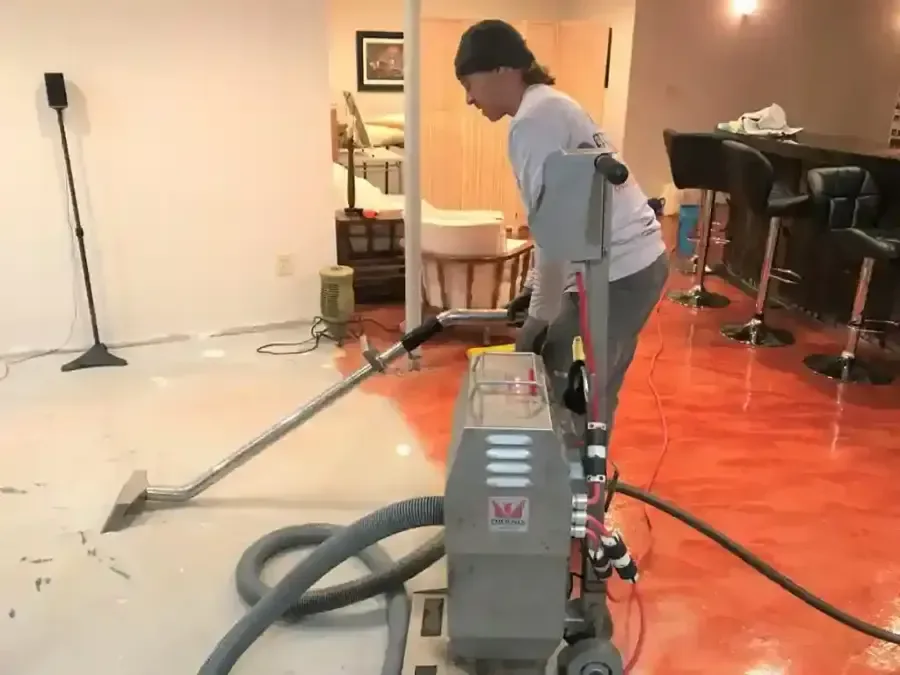
Cleanup matched to the source
Different releases leave different work behind. The service pages explain what happens after a basement fills, a fixture leaks or contaminated water enters an occupied space.
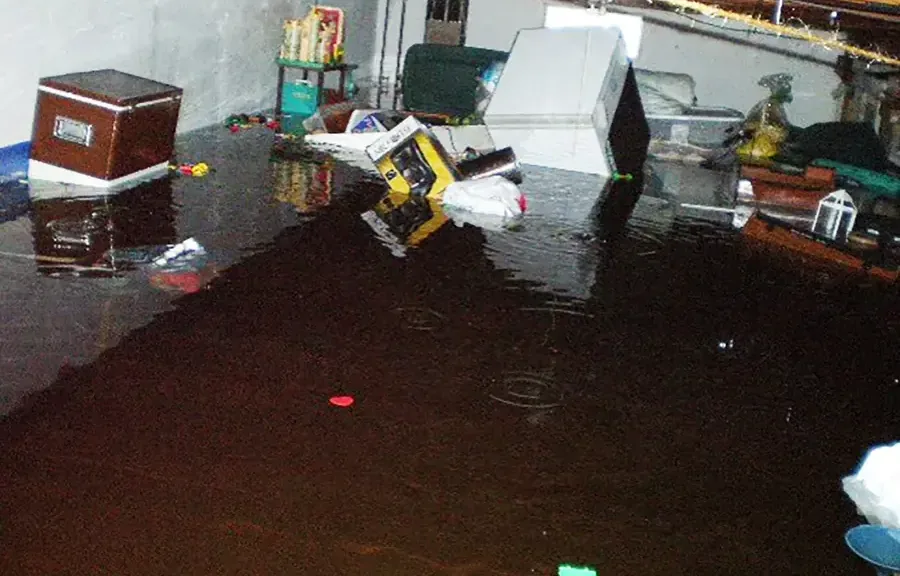
Basement Flood Cleanup
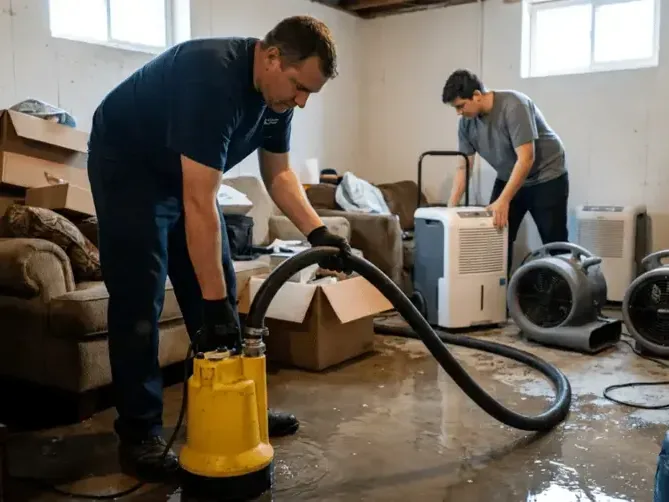
Stored belongings, stair access and saturated lower walls shape basement cleanup. Begin with the path water took into the room.
See basement flood cleanup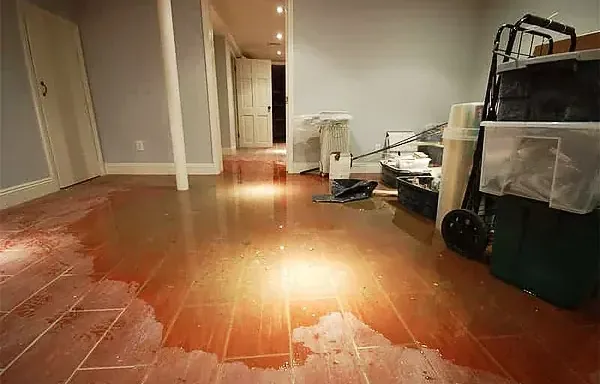
Sump Pump Failure Cleanup
An overflowing pit can keep feeding wet flooring. Pair accumulated water removal with an inspection of the pump and discharge route.
See sump pump failure cleanup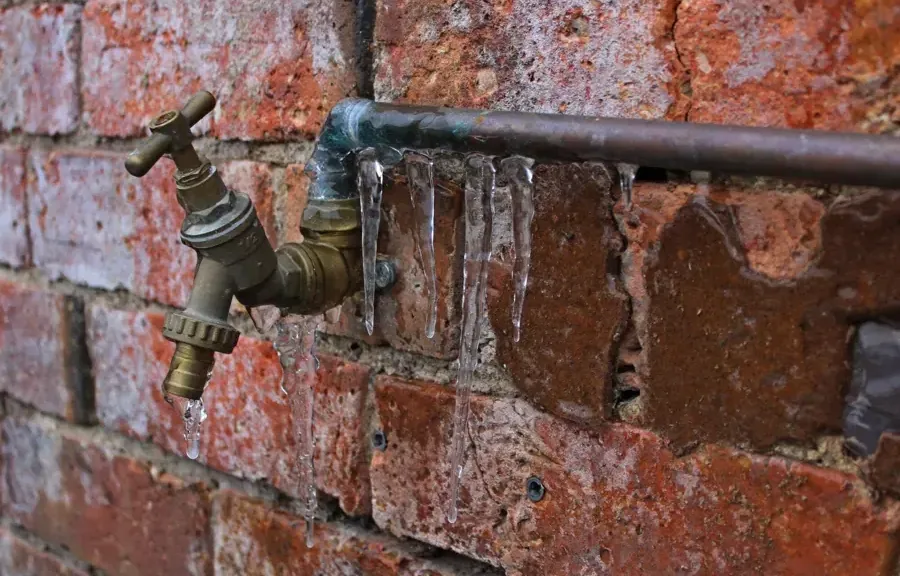
Frozen Pipe Water Damage
A thaw can expose a split supply pipe behind finished surfaces. Track escaping water before closing the repaired cavity again.
See frozen pipe water damage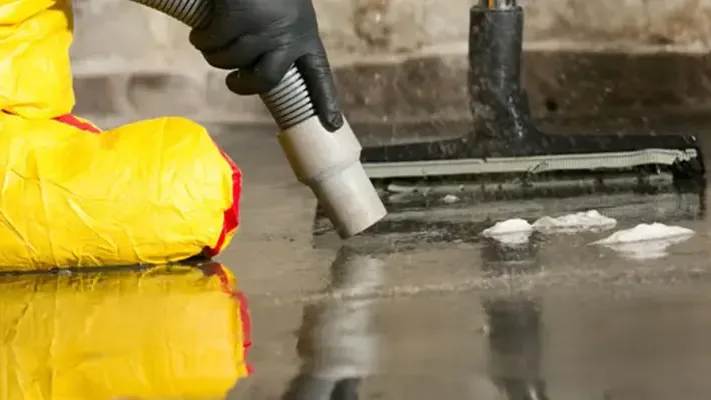
Emergency Water Extraction
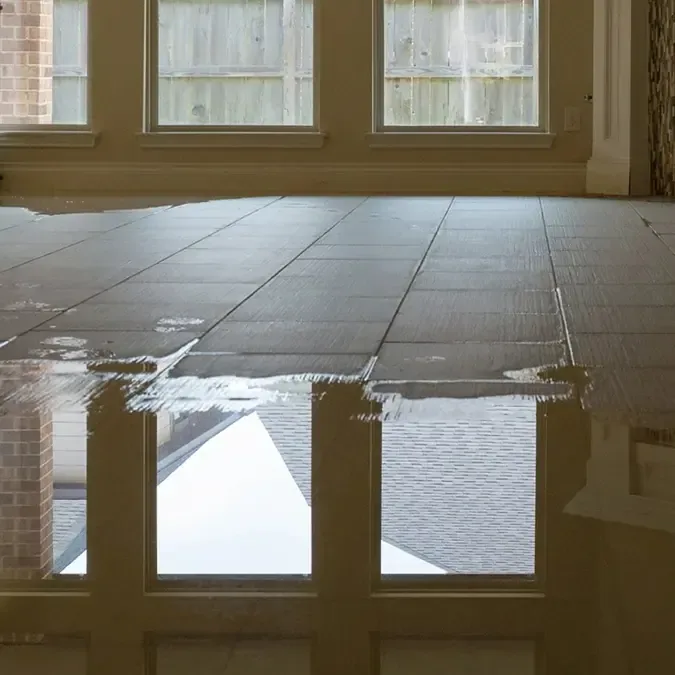
Floor water moves under thresholds and into absorbent layers. Extraction equipment needs access to the full spread, including connected rooms.
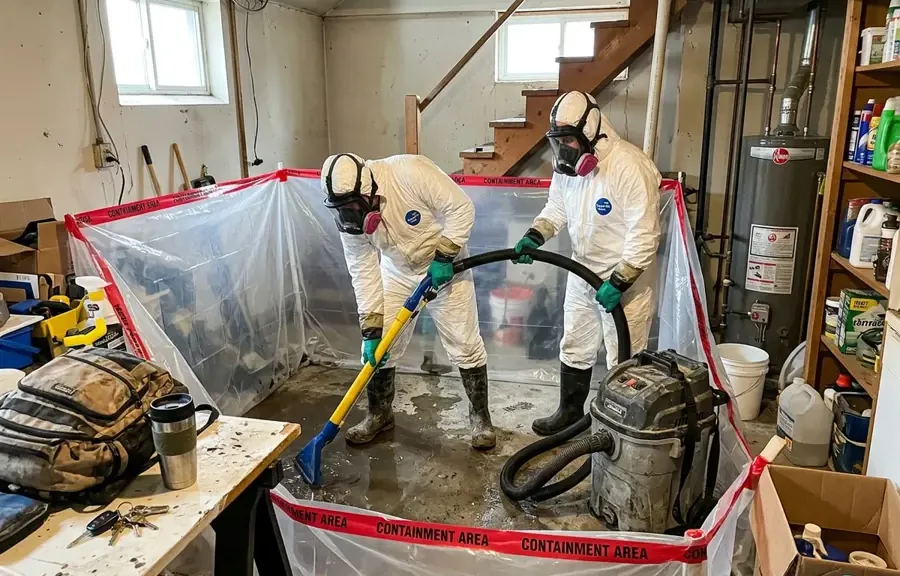
Sewer Backup Cleanup
Wastewater changes how rooms are isolated and contents handled. Separate affected belongings before cleaning the surfaces suitable for retention.
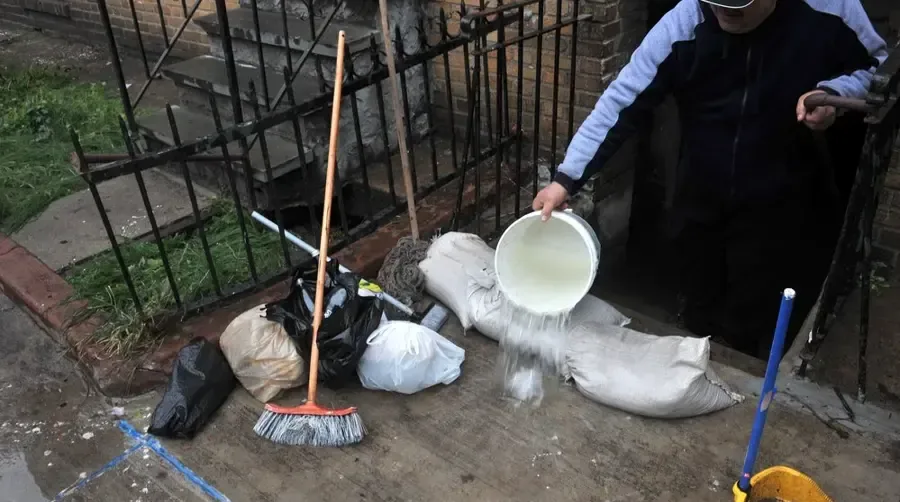
Flood Cleanup
Outdoor runoff can carry sediment through low openings. Removing that deposit belongs in the cleanup scope alongside pumping and drying.
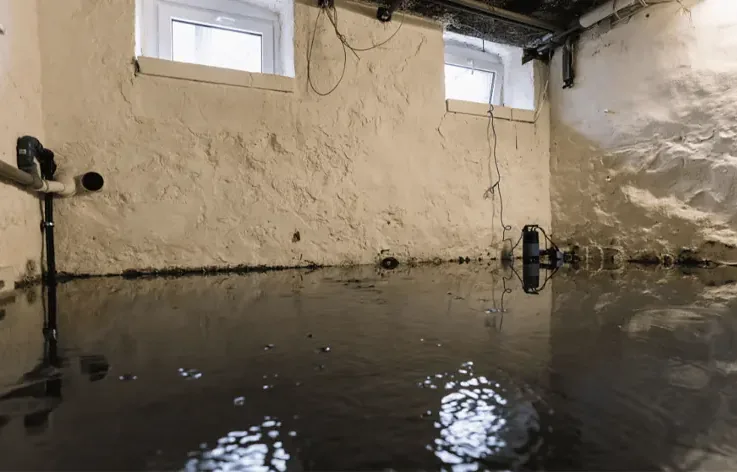
Foundation Seepage Cleanup
A wet floor edge deserves a closer look at the wall joint. Trace moisture behind finishes before planning surface repairs.
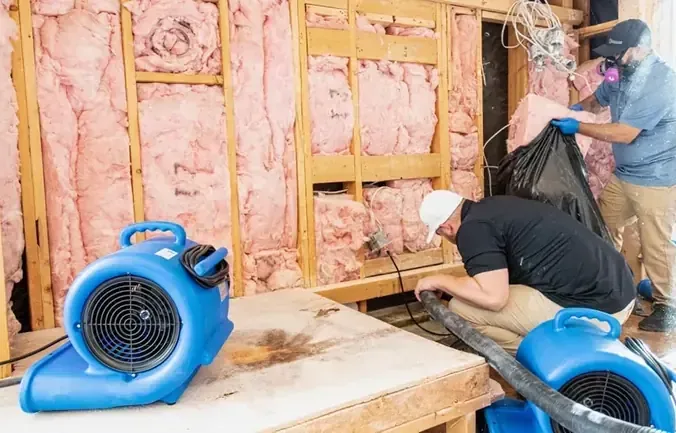
Burst Pipe Water Damage
Pressurized supply water may travel well beyond the broken fitting. Inspect the release point, adjacent rooms and the level below.
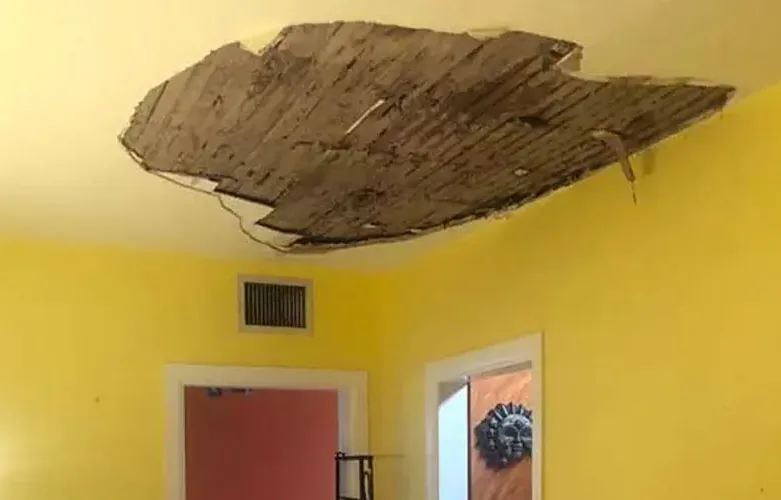
Roof Leak Water Damage
Roof entry and interior damage require coordinated work. Follow the wet route through insulation, framing and ceiling materials below.
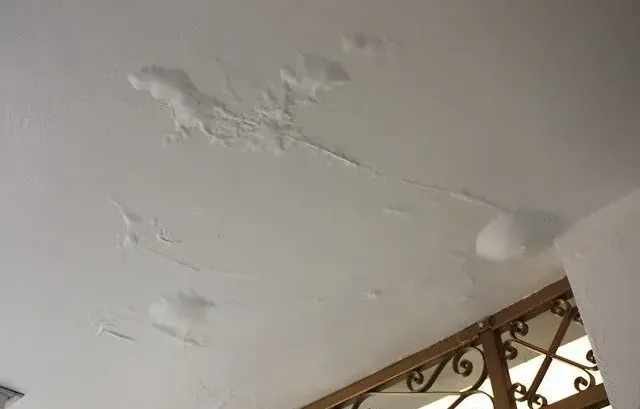
Ceiling Leak Water Damage
A sagging ceiling creates an overhead hazard. Keep the area clear while the source above and trapped moisture are assessed.
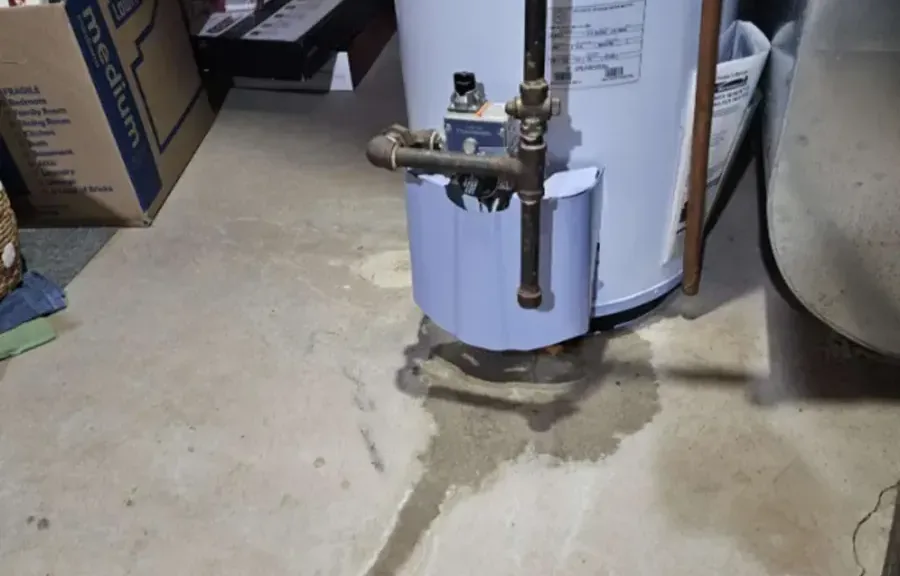
Water Heater Leak Cleanup
Water around a tank can reach utility walls and nearby flooring. Safe equipment isolation comes before moving through the spill.
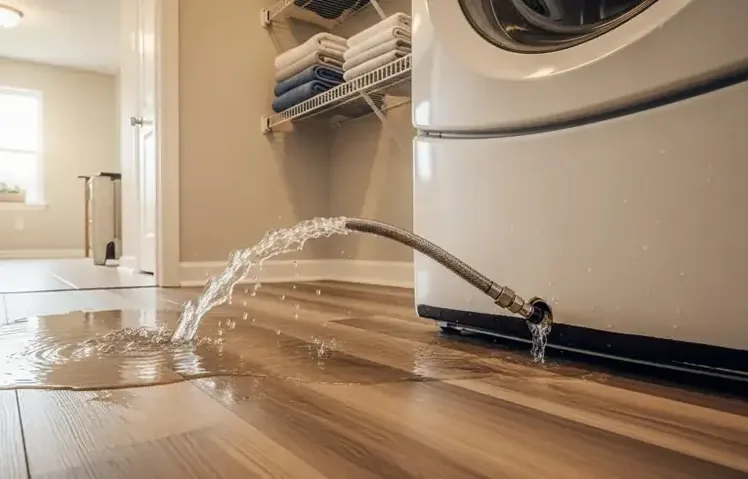
Appliance Leak Water Damage
A small supply connection can wet concealed cabinet bases. Check beneath the appliance and beyond the visible kitchen or laundry puddle.
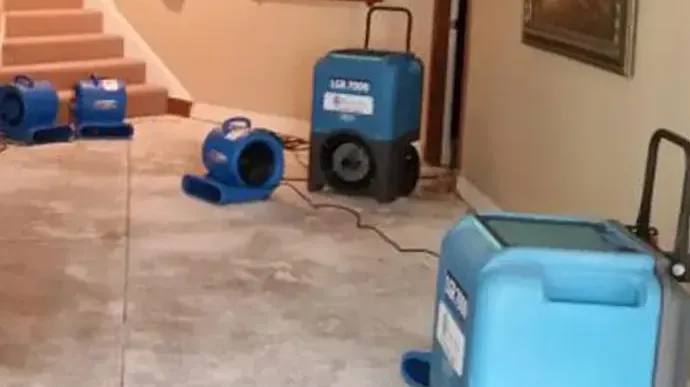
Structural Drying
Material readings show whether a room is ready for rebuilding. Controlled airflow and dehumidification target retained moisture inside wet assemblies.
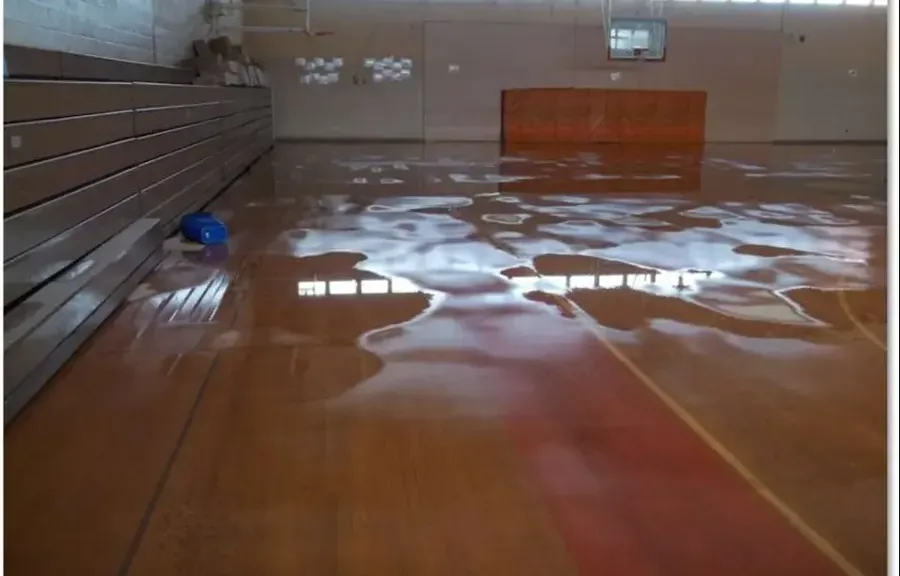
Commercial Water Damage
Business water losses need access coordination as well as extraction. Divide wet work areas from occupied spaces and document affected assets.
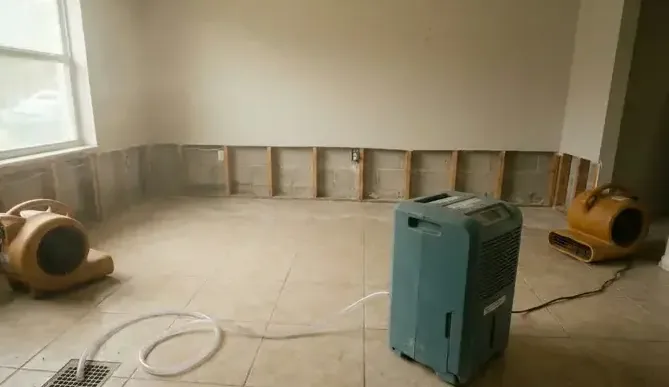
A clear explanation at each stage
A homeowner needs to understand why an opening is needed, what can remain and how progress will be judged. A useful cleanup scope connects each proposed task to a visible condition or moisture finding.
Room specific notes
Separate observations for bedrooms, utility areas and shared spaces help keep repair decisions tied to actual damage instead of a broad room label.
Material condition first
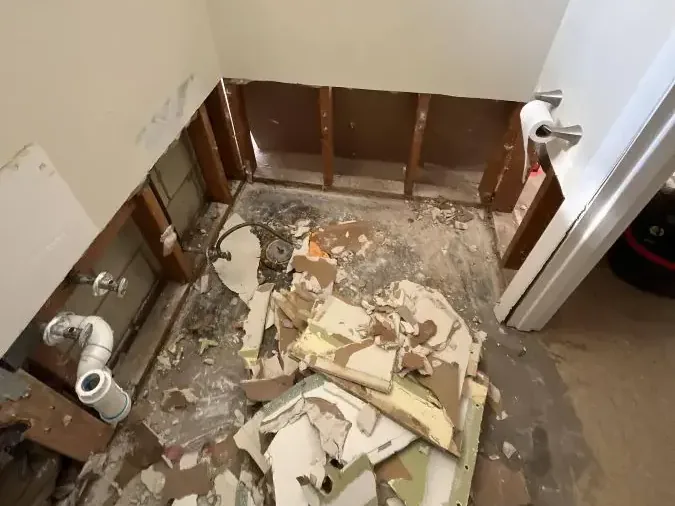
Swollen panels, wet insulation and solid framing behave differently. Retention depends on the material, contamination and access available for thorough drying.
Equipment with a purpose
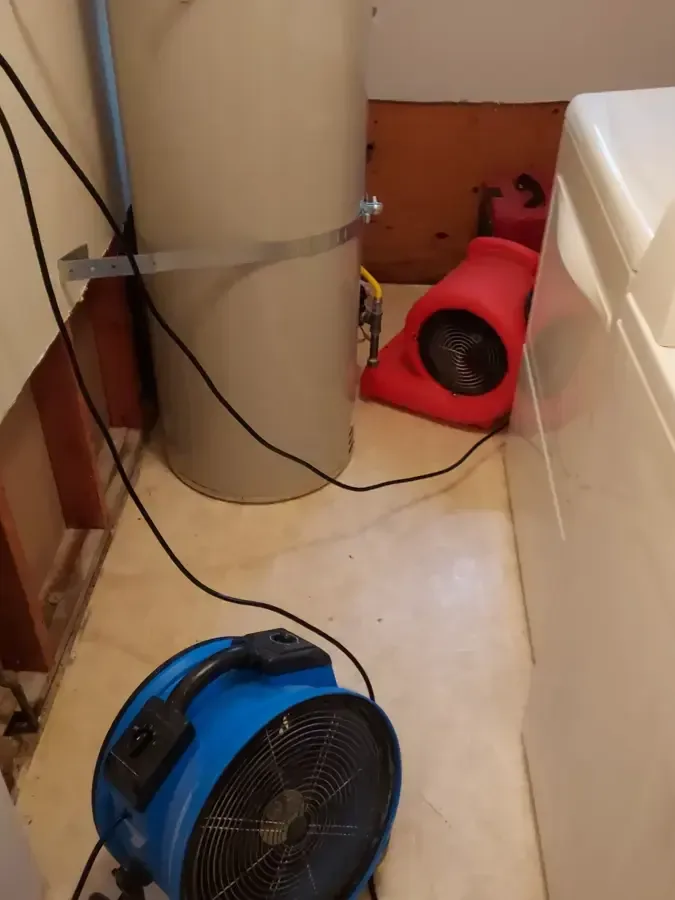
An air mover or dehumidifier should serve an identified wet area. Monitoring helps explain continued operation and changes to the arrangement.
Documented next steps
Photographs and completion notes support conversations with property managers, repair contractors and insurers while keeping outstanding source repairs visible in the handoff.
A safer start around escaped water
- 1
Avoid wet electrical areas
Standing water near outlets, cords or equipment makes entry unsafe. Electrical assessment comes before retrieval of belongings from that area.
- 2
Identify an accessible shutoff
A known plumbing shutoff may stop an active supply release when it can be reached from a dry, safe location.
- 3
Keep traffic outside
Children, pets and visitors should stay away from affected rooms, especially when the water came through drains or outdoor openings.
- 4
Record the visible spread
Photographs from a safe position can capture wet boundaries, damaged possessions and the source before necessary cleanup changes the scene.
- 5
Describe access clearly
Stairs, occupied units, locked utility rooms and blocked floor areas all affect how cleanup equipment can enter the property safely.
The work follows the water
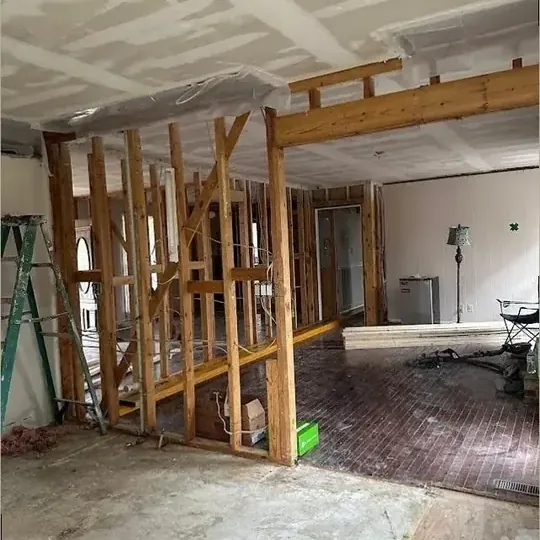
Restoration decisions start with what became wet and how. A room map, source assessment and material readings connect visible damage to the work needed behind trim, inside cavities and beneath floor coverings.
- Step 1
Define the affected area
Inspection follows staining and floor water into adjoining spaces, with attention to concealed layers that can remain damp after exposed surfaces look normal.
- Step 2
Remove what prevents drying
Extraction reduces standing water. Unsalvageable porous materials are separated when their condition or contamination prevents a useful cleaning and drying approach.
- Step 3
Control the indoor conditions
Equipment placement accounts for room connections and material thickness. Changes in humidity and moisture readings help determine whether the setup needs adjustment.
- Step 4
Prepare the repair handoff
Final observations, retained material readings and removal notes give the repair contractor a clear picture of the surfaces ready for the next stage.
What affects water cleanup costs in Farmington?
Farmington cleanup estimates depend on the amount of affected material, water contamination and access for equipment. A small exposed spill has a different scope from water behind finished walls. These planning ranges separate limited cleanup from broader removal and drying work.
Limited exposed damage
- Accessible wet floor
- Localized water removal
- Small drying area
Connected room damage
- Multiple wet surfaces
- Selective material removal
- Equipment moisture checks
Extensive material involvement
- Larger contaminated areas
- Concealed cavity access
- Detailed drying records
A written scope should identify cleanup tasks, material disposal and drying work separately from plumbing repairs or reconstruction, so each charge has a clear purpose.
The source changes the cleanup
Fresh supply release
A pipe leak starts with the plumbing source, but contact with dirty surfaces and elapsed exposure influence subsequent handling of wet materials.
Explore broken pipe recoveryUsed appliance water
A dishwasher or washer release may contain residues. The appliance cycle and affected layers help determine cleaning needs before flooring can be retained.
Assess appliance spill layersSewage contact
Drain backups require restricted access, protected handling and removal decisions based on contamination throughout the affected area.
Assess wastewater cleanup stepsRemoval, access and drying equipment
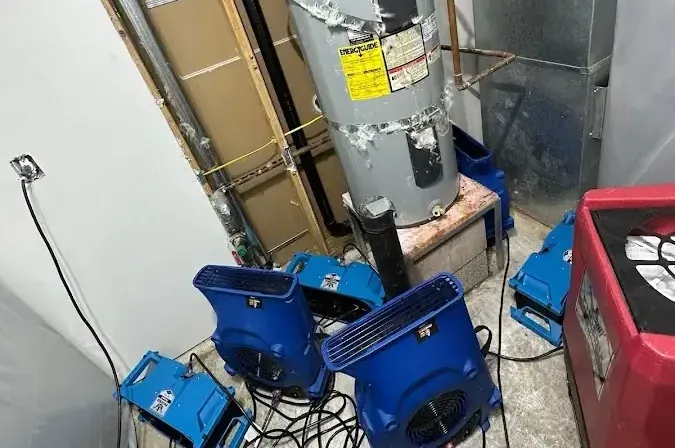
Documentation for the claim conversation
Coverage decisions belong to the insurer and depend on the policy and cause. Cleanup documentation can show the sequence of events, affected materials and work performed.
- Photographs showing the source and affected room boundaries
- A written account of when water was discovered
- An inventory separating damaged belongings from retained items
- Receipts for necessary emergency work and equipment
- Moisture records and notes describing material removal
When paying for cleanup directly
A direct payment decision still benefits from an itemized estimate. The owner can compare extraction, disposal and drying tasks, ask which areas require opening and identify separate repair costs before accepting a scope for the affected property.
A lower total may cover fewer tasks. The comparison should include equipment monitoring, retained material checks and the condition in which the rooms will be handed back.
Property access across town
Routes and local places
Local ZIP
Other service areas
Farmington conditions worth checking
Farmington grew at the Vermillion River and now includes suburban neighborhoods north of Downtown. Its water, sewage and stormwater systems have different functions. Understanding which path brought water indoors helps direct the cleanup and the separate source repair.
- Industrial Park
A drainage study recorded storm sewer backups upstream of the Industrial Park ditch. Entry through a building opening needs its own inspection.
- The Rye Apartments
The project specifies wood framing above a concrete underground garage, illustrating why assessments must distinguish wet assemblies and affected building levels.
- Municipal water
City wells supply water stored in a reservoir or tower. Escaped building water requires an assessment of the actual plumbing release.
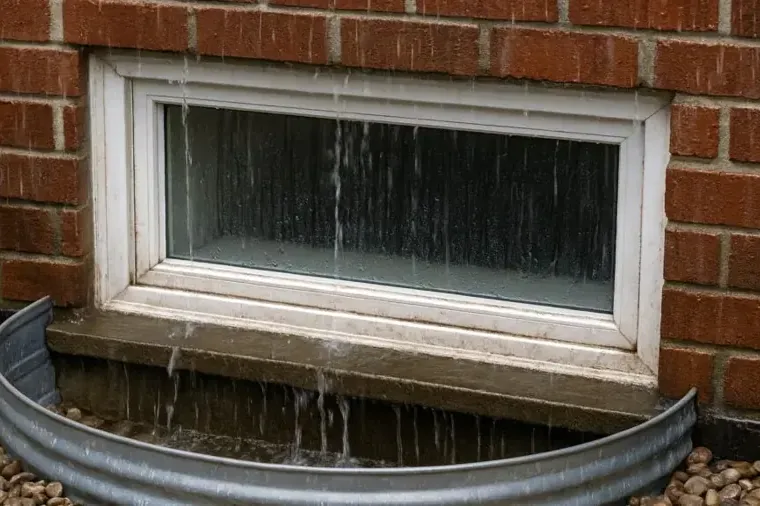
- Outdoor runoff Rain and melted snow flow off streets and lawns. A cleanup inspection follows deposited water through openings and across the lowest affected surfaces.
- Overfull collection pit An inactive sump can leave water spreading from the pit. Removing that accumulation should be coordinated with correction of the pumping problem.
- Hidden floor layers Water can move under a finished surface while the exposed edge dries. Material checks help identify moisture left beneath accessible flooring.
- Shared residential spaces Townhomes and apartment buildings require attention to adjoining areas. Managers can coordinate access when a release travels beyond the room where it began.
- Wastewater entry The local sewage collection system includes pipes, manholes and lift stations. Indoor drain discharge calls for restricted access and contamination focused cleanup.
Questions about water damage cleanup
What information helps with the first cleanup call?
The most useful description identifies where water appeared, whether it is still entering and what rooms it reached. Mention standing water near electrical equipment, sewage odors or ceiling sagging. Those observations help establish access precautions and the likely starting point for assessment.
Does every wet room need its walls opened?
The decision depends on moisture inside the assembly, its materials and the water condition. An exposed surface may dry while insulation remains wet behind it. Selective access can establish the hidden condition and support drying when a closed cavity prevents useful airflow.
Is stormwater handled the same way as sewage?
The entry path matters. Outdoor water may carry sediment and contamination, while a sanitary drain backup brings wastewater into the room. The assessment should record the actual source and affected surfaces so cleaning, removal and handling decisions fit the release.
Can an apartment resident arrange access to adjoining units?
Property management should coordinate entry to other units and shared rooms. A resident can report the visible leak and affected belongings, but a building assessment may also need the space above, the adjoining wall cavity or a utility area outside the apartment.
Why is drying needed after floor water disappears?
Absorbent materials can hold water after extraction removes the puddle. Framing, floor layers and wall bases may remain damp beneath a dry looking surface. Moisture measurements help determine where equipment is needed and when the retained materials are ready for repairs.
Should damaged belongings be discarded before photographs are taken?
When conditions permit safe documentation, photographs and an inventory should precede disposal. Items contaminated by sewage need protected handling. The insurer or property manager may request details about removed belongings, so records should identify their condition and location before cleanup changes the scene.
Can a cleanup estimate include the source repair?
The written scope should state whether plumbing, roofing or drainage correction is included or separately arranged. Removing escaped water does not repair a failed component. Clear task descriptions help an owner coordinate the source repair with extraction, drying and later finish work.
Do nearby ponds determine a home's cleanup needs?
The city uses stormwater ponds to capture and store runoff. A property's cleanup scope still follows the water that entered its rooms, the surfaces touched and the condition of those materials. Photos of outdoor accumulation can help explain the entry route.
What should be available when restoration work finishes?
Completion information should describe the cleaned areas, removed materials, retained material readings and any unresolved source work. That record supports the transition to repairs and helps an owner understand which spaces are ready for rebuilding or normal use after the cleanup stage.
Make the next step specific
Farmington property owners can begin with the source, affected rooms and access conditions. A focused conversation helps define what needs immediate attention and what the cleanup assessment should inspect next.
(888) 432-4933Discuss this property's water damage- Hastings, MN · Dakota County
- (888) 432-4933, open 24/7
- Dried to the IICRC S500 standard
- Find us on Google