Flood Cleanup in Hastings, MN
The flood cleanup crew evaluates safe entry, sediment and contaminated materials after outside water reaches a building. Hastings restoration work then moves through controlled removal, surface cleaning and documented drying, with the source and water path recorded separately.
(888) 432-4933Discuss outside water inside the property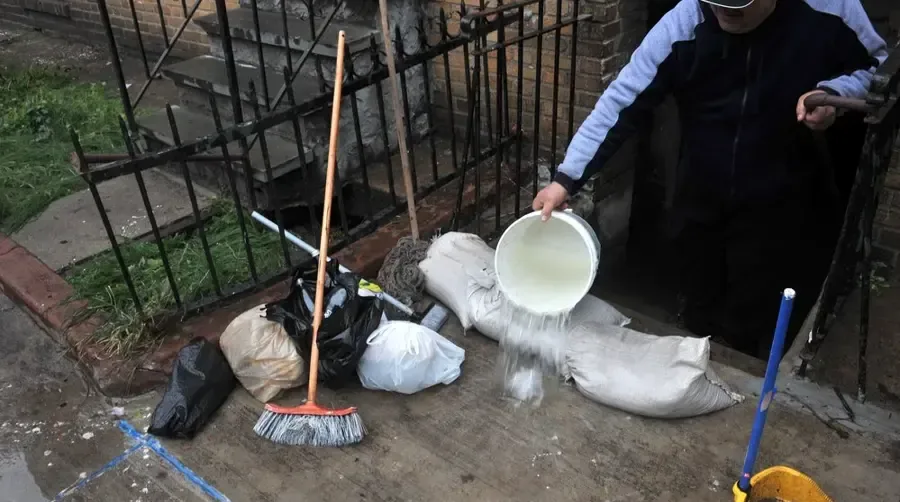
How flood cleanup is handled in Hastings
The restoration specialist records the wet boundary before selecting equipment. Daily material readings and room conditions determine the next adjustment, with the final inspection checking concealed layers as well as exposed surfaces.
- 1
Assess entry and contamination
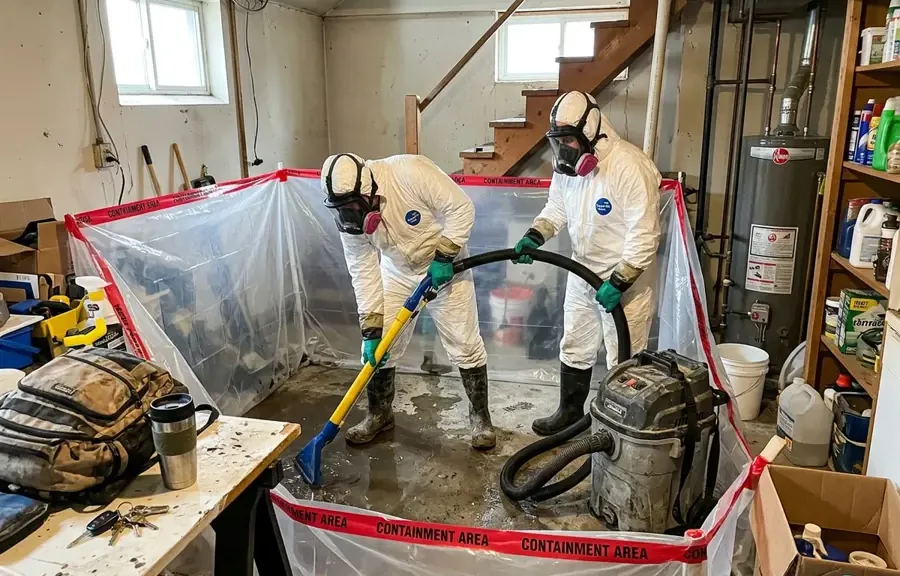
The restoration specialist records exterior conditions, contact levels and hazards before establishing a work boundary. Safe access determines how the equipment setup can proceed.
- 2
Remove water and deposited material
The crew extracts accessible water, clears sediment and evaluates porous finishes for removal. Each decision accounts for contamination beneath the visible surface.
- 3
Clean retained assemblies
The cleanup team exposes needed surfaces and removes residues before treatment or drying. The scope identifies cavities or fixed items that prevent effective access.
- 4
Monitor the structural dry-out
The technician measures retained materials and adjusts equipment as conditions change. Final documentation supports repair planning without treating an empty room as proof of dryness.
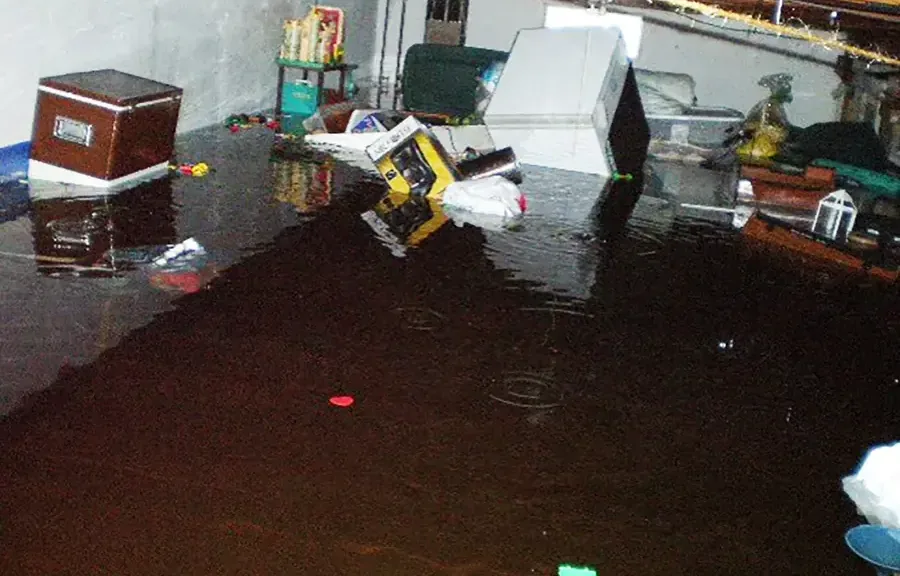
Outside floodwater can carry soil and contaminants through doors, windows and other openings. Receding water leaves residue beneath flooring and inside low wall cavities, including places where the surface looks clear. The cleanup specialist checks deposited sediment, contact with finishes and any continuing structural or electrical hazard before equipment enters the building.
First steps for flood cleanup in Hastings
- 1
Wait for safe access
Residents follow emergency restrictions and avoid entering standing water. Electrical and structural hazards remain possible after the outside water level begins falling.
- 2
Do not judge safety by clarity
Floodwater can contain contaminants even without an obvious sewage odor. The household keeps people and pets away until the cleanup area receives an appropriate assessment.
- 3
Preserve the initial condition
Photographs from a safe location can record the entry route, water mark and affected belongings. Cleanup should not require risking contact to obtain evidence.
- 4
Explain current outside conditions
The 24/7 dispatch conversation includes whether entry continues and whether the property is safely accessible. Those conditions influence when extraction and removal can proceed.
What does flood cleanup cost in Hastings, MN?
Flood cleanup commonly ranges from $3,000 to $12,000 or more when outside water contaminates finishes and contents. Water depth alone does not set the price; debris, wall access, disposal and the amount of retained structure needing drying all matter.
Limited entry area
- Localized sediment removal
- Accessible cleaning surfaces
- Contained drying zone
Several affected rooms
- Broader finish removal
- Contents documentation
- Multiple structural assemblies
Extensive flood contact
- Substantial disposal scope
- Complex cleaning access
- Longer drying verification
These planning ranges are not a quote. Water category, affected square footage, material class and the delay before drying all influence the scope. Compare the inputs in the Hastings water damage cost calculator for a closer range.
Document flood entry in Hastings
The Mississippi River forms much of the northern boundary, the Vermillion River crosses the southern city and Cow Town names a northeastern floodplain area. The flood assessment starts at the building openings where water entered. The inspector records sediment, contact height and the rooms reached, then checks low cavities for trapped deposits. Those observations define the cleaning area and help separate the flood damage from other leaks.
- Document entry points and sediment before washing surfaces.
- Record the highest visible contact level inside each affected room.
- Keep exterior flood conditions separate from any plumbing failure found indoors.
Clean the surfaces that the water leaves behind
The extraction crew removes standing water and loose deposits under controlled conditions. Affected porous finishes generally require disposal, while retained structural materials need accessible cleaning. Dirt can remain behind trim, inside low cavities and beneath fixed cabinetry. Air movement starts only after the contamination plan allows it, preventing the drying setup from distributing residues through unaffected rooms.
- Evaluate wall insulation and floor underlayment as separate materials.
- Maintain a controlled waste route away from clean storage.
- Check that cleaning reaches the assembly rather than only its visible face.
Rebuild from a documented drying condition
Flood-soaked wood, masonry and dense flooring release moisture at different rates. The structural drying assessment establishes the equipment and measurement plan for retained materials. Where the loss concentrates downstairs, lower-level cleanup also addresses storage and access. Before replacing finishes, the contractor documents the remaining moisture and any repair requirements. Flood coverage is a separate insurance question that the owner should confirm directly with the insurer.
Flood cleanup across Hastings and Dakota County
The restoration team serves ZIP 55033, including Downtown and homes around Lake Rebecca and Lake Isabel. Access, the water source and the rooms affected shape each inspection and equipment plan.
Nearby coverage reaches Prescott, Cannon Falls, Red Wing, Farmington and Oak Park Heights.
Related water damage services in Hastings

Flood Cleanup questions in Hastings, MN
Is rainwater on the floor the same as a clean pipe leak?
Outside water can pick up contaminants as it travels over soil and surfaces. The inspector considers that route and the materials contacted rather than assuming all water that began as rain is clean.
Can the family start washing out sediment?
Entry safety and contamination precautions come first. Unprotected washing can expose occupants or move contamination elsewhere. The cleanup plan establishes the work area and removal method before surfaces are disturbed.
Must all contents be discarded?
The assessment considers the item, contamination and whether effective cleaning is possible. Porous belongings differ from accessible hard surfaces. The contractor documents decisions instead of treating every object identically.
Why does drying continue after demolition?
Removing wet finishes exposes retained framing, masonry and subfloor that can still hold moisture. The technician checks those materials and continues controlled drying until their documented goal is reached.
Does living near Cow Town prove flood coverage is needed?
A place name alone does not determine a property flood zone or policy requirement. The owner should review the actual property information and insurance terms with the appropriate authorities and insurer.
Who decides when rebuilding can start?
The owner and repair contractor need the drying record, safe-condition assessment and any required permit direction. The cleanup completion report identifies what remains so new finishes do not conceal unresolved moisture.
Plan the cleanup around what the floodwater touched
24/7 dispatch supports urgent flood losses. The restoration crew records the contamination boundary and drying scope before the repair work closes the building again.
(888) 432-4933Arrange the flood-contact assessment- Hastings, MN · Dakota County
- (888) 432-4933, open 24/7
- Dried to the IICRC S500 standard
- Find us on Google