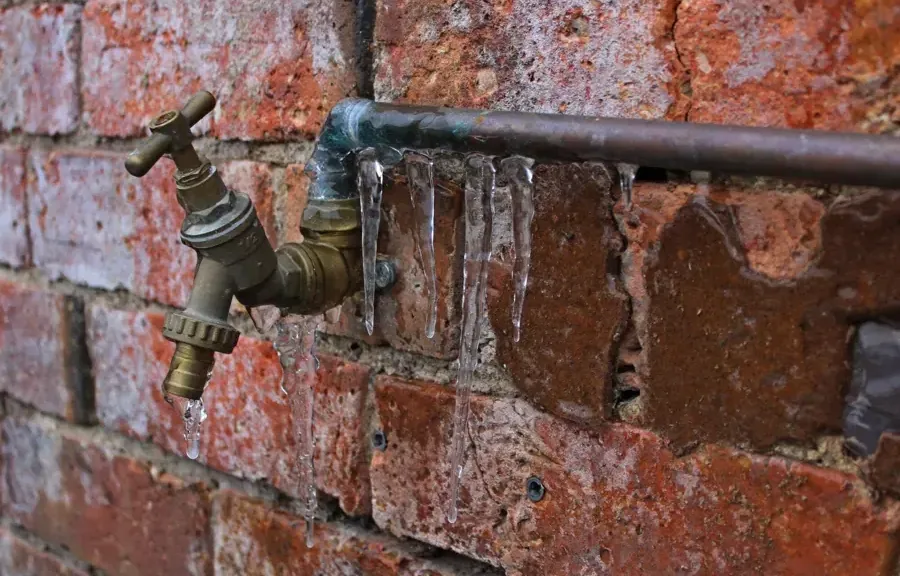
Many water services froze in Red Wing during the extremely cold winter of 2013 to 2014. The city adopted a Frozen Water Service Policy and identifies areas with a history of frozen services in its City Asset Management System. A homeowner facing a loss of water supply needs a clear report for the utility and a separate plan if leaking water reaches the building. The useful record follows the change from interrupted supply to any observed release.
Key takeaways
- A qualifying frozen service billing adjustment requires city contact before the owner begins running water.
- A supply interruption and a visible indoor leak should be described as separate observations.
- The city policy addresses thawing responsibilities and repair costs associated with thawing.
- Wet ceilings, walls and floors need inspection even after the supply problem receives attention.
- The owner should retain utility instructions, source repair notes and material drying records together.
Make the initial utility report specific
A resident can start by describing when the loss of supply was noticed and which fixtures are affected. The report should include any visible leakage, unusual water movement or room that has become wet.
Clear observations give utility staff useful information without requiring the homeowner to locate a buried or concealed frozen section.
The Utilities Division maintains the municipal water distribution system. Its frozen service policy addresses responsibility for thawing mains and services and the repair costs resulting from thawing.
The homeowner should keep the instructions received, including the contact date and the action assigned to the owner or a repair contractor.
City contact matters before an owner begins running water for a qualifying frozen service billing adjustment. That sequence deserves a place in the call notes alongside the supply symptoms.
The owner can then follow the city's directions while the qualified trade assesses the affected plumbing and any visible release into the building.
- Record when normal supply was last observed.
- List affected fixtures and visible indoor water separately.
- Save utility instructions before changing how water is used.
- Identify who is responsible for the next inspection or repair.
Prepare for observation when supply returns
Restored flow changes what can be seen at a damaged connection. The person handling the plumbing work should control the return to service and observe accessible repair locations.
Occupants can report newly visible water from a dry position while avoiding wet electrical components, unstable finishes and any area the contractor has restricted.
A ceiling stain below the affected plumbing may become the clearest indoor symptom. The restoration team should inspect the room beneath the release and document the overhead condition before anyone disturbs the finish.
The location where water becomes visible helps establish the next inspection area, including connected wall and floor cavities.
Frozen pipe water damage cleanup follows the escaped water after the plumbing problem receives attention. Its record should identify the observed release point, the rooms reached and the condition of retained materials.
That information remains useful even if the source contractor finishes a small repair while several rooms still need drying.
Distinguish frost protection from the wet material scope
City Code requires water users to keep service pipes and curb stops in good repair and protected from frost at their own expense. The owner should discuss the actual service condition and protection needs with the responsible trade.
Any planned correction belongs in the plumbing file with the relevant city instructions.
Inside the building, the restoration scope follows water exposure. A repaired connection can leave wet insulation, flooring or framing nearby, and the inspection needs to identify those materials individually.
The owner receives a more useful explanation when each removal or retained drying area is linked to the observed path of the release.
The city's historical service information provides context for the utility conversation. The interior work record should remain specific to the loss being handled, with labeled photographs showing rooms and accessible plumbing.
Keeping those records connected helps the owner explain both the source work and the effect on the home without mixing their completion criteria.
- Keep plumbing correction notes with utility correspondence.
- Map wet surfaces by room and level.
- Explain each opening used to inspect concealed material.
- Record remaining frost protection work as a separate task.
Inspect the route from the pipe to lower surfaces
Water leaving a wall cavity may reach a floor edge before appearing in the middle of a room. The technician should inspect transitions near the suspected route and compare connected spaces.
Photographs taken before trim or wallboard is removed can preserve the visible pattern and help explain why access was needed at a particular location.
Where a pipe release affects several levels, the burst pipe cleanup process should include the ceiling below and the floor above as connected parts of the same loss. Room names and measurement labels help the crew revisit the correct points after extraction changes the appearance of the damage.
Owners can support this inspection by describing the order in which signs appeared. A wet cabinet base noticed before a ceiling drip is useful chronology even when the source diagnosis is still underway.
The technician can add those observations to the inspection record and identify further access needed to assess the concealed route.
Follow retained materials through the dry out
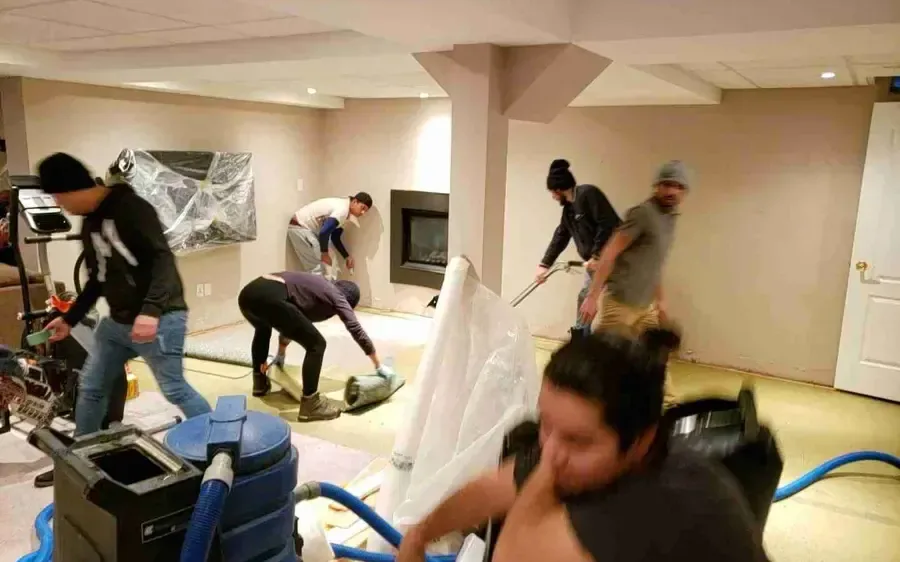
Once the release has been controlled and recoverable liquid removed, retained materials need a measured drying plan. The equipment arrangement should reflect the open surfaces, concealed pockets and room conditions found during inspection.
The owner should know which areas need to remain accessible and where stored belongings can wait without interrupting the setup.
Structural drying relies on repeated observations at consistent locations. If an open wall cavity responds differently from nearby flooring, the technician can document the difference and explain any change in placement or access.
The goal is a material record that supports the eventual handoff to the repair contractor.
Daily use of the home may need adjustment while the work continues. Moving furniture against the wet assembly or blocking a return visit can make assessment harder.
A short room access agreement helps the household keep clear routes to equipment, exposed plumbing and moisture measurement locations while unaffected areas remain available for ordinary use.
- Use the same location labels throughout the drying record.
- Discuss access before furniture is returned to the room.
- Document equipment moves and the reason for each change.
- Keep source repairs visible for any required followup checks.
Close the supply issue and the room repairs clearly
The owner should finish with a record of the plumbing finding, the action taken on the service, utility instructions and the condition of affected rooms. A source contractor's completion note belongs beside the restoration measurements, with remaining work described plainly.
A room awaiting finish repair should be identified even after the plumbing operates normally.
Red Wing requires permits for structural repairs and alterations and uses Cloudpermit for building permit applications and inspections. If the loss leads to that work, the repair contractor should define the scope and arrange the relevant process.
The local inspection schedule should be considered before finishes conceal an area needed for inspection.
The final household walkthrough can follow the path from the affected plumbing through the last wet room. This gives the owner a chance to match photographs and notes to actual surfaces.
Any outstanding opening, trim replacement or protection change should be assigned to the contractor handling it, leaving a concrete list of what remains.
Questions
What should happen before running water for a billing adjustment?
The city's qualifying frozen service adjustment requires contact before the owner starts running water. The owner should retain the instructions and the date of that conversation with the other service records.
Which winter is documented in the local frozen service history?
The extremely cold 2013 to 2014 winter affected many water services. The city subsequently adopted its policy and tracks areas with frozen service history in its asset management system.
How should a new drip during restored supply be reported?
The observer can identify the room, the visible surface and when the dripping began. The contractor controlling the plumbing should receive that information while occupants remain clear of the wet area.
What connects the plumbing file to the room cleanup?
A chronology showing supply interruption, observed release, source work and affected rooms creates the connection. Photos and labeled material readings then explain the interior work that followed.