Basement Flood Cleanup in Farmington
Water at the foot of the stairs can hide the route it followed indoors. Basement cleanup in Farmington starts by separating the entry source from the damage to stored belongings, finished walls and floor layers.
(888) 432-4933Discuss water below the stairs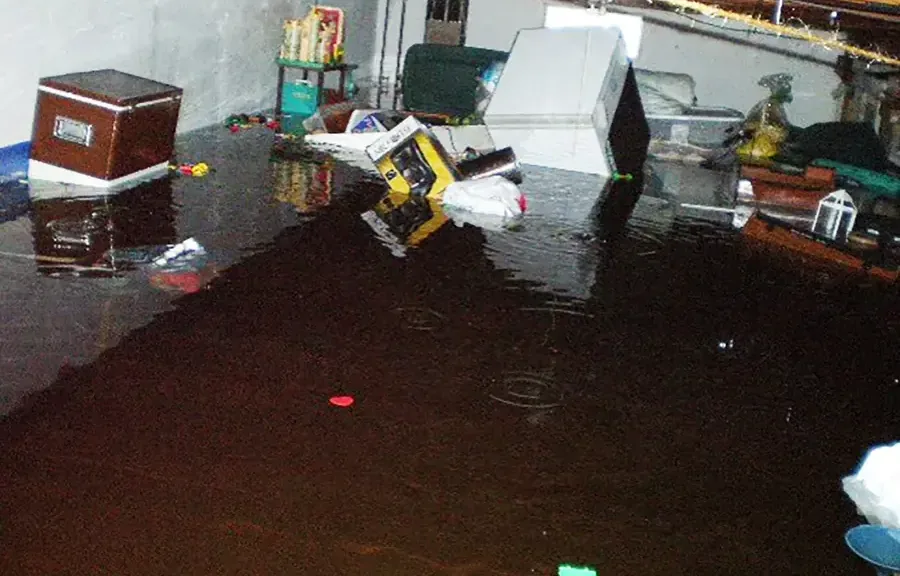
How basement flood cleanup is handled in Farmington
The restoration specialist records the wet boundary before selecting equipment. Daily material readings and room conditions determine the next adjustment, with the final inspection checking concealed layers as well as exposed surfaces.
- 1
Map the lower level
The assessment traces entry, floor spread and contact with belongings. Findings establish the affected rooms and identify work areas requiring restricted access or protected handling.
- 2
Pump and sort materials
Standing water is removed with equipment suited to access and volume. Contents decisions keep damaged absorbent items separate from materials suitable for cleaning and retention.
- 3
Expose wet building layers
Targeted removal gives access to trapped moisture when finishes prevent drying. The scope records which wall or floor materials were removed and why access was necessary.
- 4
Track drying before handoff
Material checks document progress through the remaining assembly. Completion notes identify retained surfaces ready for repair and any unresolved source correction the property still needs.
A basement may collect water from a window opening, a failed pump or a plumbing release. The location of the deepest puddle is only part of the inspection. Water can travel along a slab before reaching stored boxes or finished partitions. Recording the entry path helps connect removal work to the repair needed to prevent continued wetting.
First steps for basement flood cleanup in Farmington
- 1
Keep the stairs clear
Access to a flooded lower level should remain restricted when electrical equipment or an uncertain water source makes entry hazardous. Belongings can wait for assessment.
- 2
Describe where entry began
An owner can report visible window overflow, a rising pit or drain discharge from a safe location. Those details help prioritize the first inspection areas.
- 3
Protect the dry storage
Unexposed belongings should stay outside the wet work route. Carrying saturated cartons through clean rooms can spread dirty water and make documentation harder later.
- 4
Photograph accessible room edges
Images of the wet boundary, wall bases and stored contents help preserve the original condition. No item warrants entry into water near electrical hazards.
What does basement flood cleanup cost in Farmington, MN?
Basement cleanup in Farmington ranges from $1,500 to $7,500+ across these planning categories. Finished partitions, contamination and inaccessible storage increase the work. The estimate should distinguish removal and drying from the repair of the original entry path.
Unfinished area
- Exposed slab access
- Basic stored contents
- Localized drying setup
Finished lower level
- Wet perimeter finishes
- Floor layer inspection
- Selective wall opening
Contaminated basement
- Protected material handling
- Affected contents sorting
- Expanded cleaning scope
These planning ranges are not a quote. Water category, affected square footage, material class and the delay before drying all influence the scope. Compare the inputs in the water damage cost calculator for a closer range.
Separate storm drainage from drain discharge
The Industrial Park drainage study recorded upstream storm sewer backups. That is a useful reason to ask about outdoor accumulation and entry openings when inspecting a nearby property. Sewage coming through an indoor drain requires a different handling plan. Around Downtown and the Dakota County Fairgrounds, the inspection should identify the particular basement source before equipment or contents move through clean rooms.
- Inspect window wells and door thresholds for deposited outdoor debris.
- Look for water trails around the sump pit and floor joints.
- Keep drain discharge areas separate from unaffected stored possessions.
Storage can conceal wet perimeter surfaces
Shelves, stacked cartons and furnishings limit access to lower walls. Their condition should be recorded before rearrangement. Moving suitable contents into a dry holding area exposes the perimeter for extraction and inspection. Wet cardboard and absorbent finishes need separate decisions based on contamination, physical damage and the ability to dry the underlying surface.
- Check behind shelving where puddles may have collected unnoticed.
- Assess flooring under movable furniture before returning it to position.
- Record wall openings so later repairs match the removal scope.
Finish with a usable repair record
After pumping, the work shifts to moisture retained in framing and floor assemblies. Structural drying follows those readings until retained materials meet the drying plan. Notes should also identify any pump, drain or exterior repair still required. That distinction gives the owner a clear handoff between basement cleanup and correction of the water source.
Basement flood cleanup across Farmington and nearby towns
Access planning covers properties around Downtown, Pilot Knob and the Dakota County Fairgrounds, with attention to stairways, basement doors and safe equipment routes into the lowest affected rooms.
The same service nearby: basement flood cleanup in Hastings, Cannon Falls, Prescott.
Related water damage services in Farmington
Basement Flood Cleanup questions in Farmington, MN
Can water enter through a basement window?
An overwhelmed window well can direct water against the opening. Inspection follows the wet trail below the window and checks nearby wall and floor layers for moisture beyond the visible puddle.
Should stored boxes be moved immediately?
Safe access and contamination determine handling. Dry boxes can be protected outside the work route, while soaked cartons need condition records and appropriate handling before their contents are sorted.
Does a floor drain mean sewage caused the flooding?
The source must be identified from the actual release. Outdoor entry, pump overflow and sanitary drain discharge require different assessments even when water collects near the same low point.
Can finished basement carpet remain?
Retention depends on contamination, backing condition and moisture underneath. The assessment may need access to the pad and slab before deciding whether the floor covering can be cleaned and dried.
Why inspect an apparently dry adjoining room?
Water can move beneath partitions or floor coverings. Measurements near thresholds and shared wall bases help locate moisture outside the area where the owner first noticed standing water.
When can furniture return downstairs?
Contents should return after the relevant surfaces have been cleaned and drying checks support reoccupation. Placing furniture against damp walls can restrict access and interfere with remaining drying work.
Restore access to the basement
Farmington basement cleanup can address accumulated water and damaged materials while documenting the remaining source repair. The first discussion should identify the affected rooms and any entry hazards.
(888) 432-4933Assess the basement cleanup scope- Hastings, MN · Dakota County
- (888) 432-4933, open 24/7
- Dried to the IICRC S500 standard
- Find us on Google