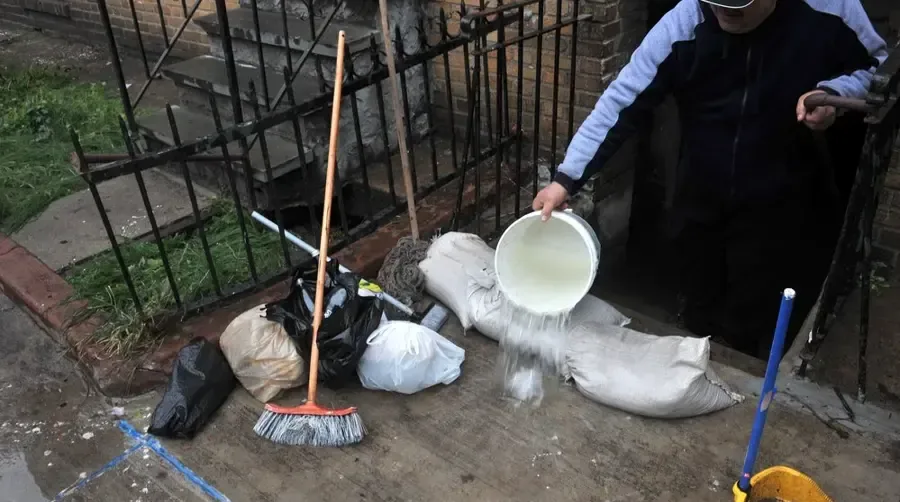
Heavy rain brought flooding to Cannon Falls in June 2012. Reports described rising water on the Cannon River and Little Cannon River, a flooded home, sandbagging near the river and sand deposited on the Cannon Valley Trail. For a building that takes in outside water, sediment deserves attention alongside the standing liquid. The practical cleanup question is where water carried deposits, what those deposits touched and which assemblies need access before drying begins.
Key takeaways
- Outside floodwater requires controlled entry and an assessment of contamination before ordinary room use resumes.
- Deposits beneath furniture and along wall edges belong on the initial cleanup map.
- Standing water removal should be followed by material assessment and removal of trapped sediment.
- The June 2012 reports describe a past event; current work decisions follow conditions at the affected building.
- A repair handoff should distinguish cleaned retained structure from materials removed for replacement.
Read the past event as a sequence of water movement
About 8 inches of rain fell in the area on June 14, 2012. Officials reported that the Cannon River rose 28 inches and the Little Cannon River rose 39 inches during that flooding.
Those observations describe how a heavy rain event affected the local rivers, while the indoor cleanup begins with the entry points and deposits visible at the building.
A bike and canoe rental shop reported about 2 feet of water over its floor. The Cannon Valley Trail also received sand deposits.
Together, the reports illustrate why a cleanup record should account for carried material as well as water depth: a drained floor can still hold deposits against thresholds, beneath stored goods and inside accessible voids.
An owner starting a new loss record should write down when water was noticed, where it entered and what could be seen from a safe location. Photographs of thresholds and settled material help the crew establish the initial condition.
The historical river event remains clearly dated, while the work order describes the present building inspection.
Establish a clean route before handling dirty contents
Foot traffic can carry wet sediment from the affected area into rooms that stayed dry. A cleanup plan should designate the route used for equipment, debris and removed belongings.
Occupants can help by keeping that route clear and staying outside the work area while the crew evaluates contamination, electrical conditions and damaged building materials.
The condition of an item matters more than its position on a quick replacement list. A sealed container, upholstered furnishing and stack of cardboard boxes each need a handling decision based on what was exposed.
Photographs and a room inventory allow the owner to track those decisions without moving dirty belongings through the house repeatedly.
The outside water cleanup service should account for both the removal route and the surfaces left behind. Where a doorway connects wet and dry rooms, the crew can describe how it will protect the dry side during work.
This boundary remains useful during extraction, debris handling and the later drying visits.
- Keep children and pets outside the affected rooms.
- Identify a route for removed materials before carrying them out.
- Record the original location of damaged belongings.
- Protect the dry side of shared doorways during handling.
Look beneath the visible layer of sediment
A deposit across an open floor is easy to photograph. Material beneath a cabinet base, along a partition or inside a low closet can be less obvious.
The technician should inspect the path followed by the water and identify which attached finishes conceal areas that need cleaning or removal before the structure can be dried.
When standing liquid remains, water extraction creates access for a closer assessment. The work record should preserve the original wet extent because the visible puddle changes as liquid is removed.
It should also describe the deposits found after extraction and the additional access needed to reach them safely.
A room boundary can contain different materials with different cleanup needs. Flooring, lower wall finishes, insulation and framing should receive individual decisions tied to their condition and exposure.
That written reasoning helps an owner understand why one surface is retained for cleaning while another is removed to reach dirty or damaged material behind it.
- Inspect threshold edges where deposits accumulate.
- Check accessible cavities behind removed lower finishes.
- Include fixed storage and closet corners in the assessment.
- Photograph deposits before and after the affected area is cleaned.
Keep drainage reports separate from indoor observations
The Public Works Department is responsible for the city water system, sewer system and storm sewer system. A resident reporting a street drainage problem should describe its location and visible behavior.
The restoration record should separately describe what entered the building and which rooms were affected, so the indoor work has its own clear scope.
During the June 2012 event, Highway 20 was closed between Mill Street and River Road, and river levels began decreasing early on June 15. Those are historical access details.
For any new incident, an owner should use current local directions when arranging entry for contractors and keep the arrival route discussion separate from the cleanup measurements.
A report about outdoor drainage can be useful without assigning a cause to every wet surface inside. The crew can record whether water crossed a door, appeared through an opening or remained pooled against an exterior wall.
The resulting entry description helps the appropriate repair trade investigate the route while the affected rooms receive attention.
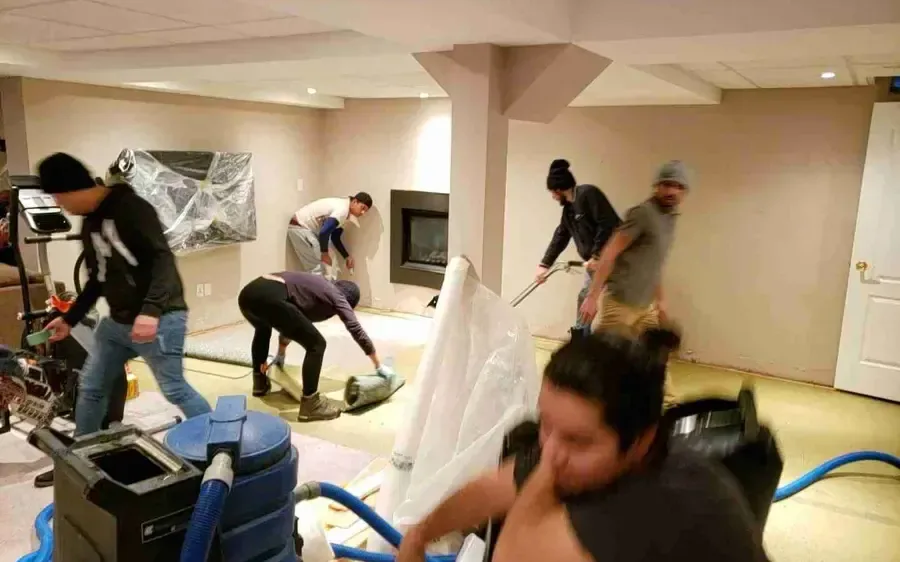
Begin drying with a prepared assembly
Drying equipment needs a work area where remaining contamination and damaged materials have been addressed. The crew should describe what was cleaned, what was removed and which retained surfaces are ready for measurement.
A photographed transition from sediment removal to structural drying gives the owner a readable account of that preparation.
Equipment placement then follows the exposed materials and the arrangement of the room. Framing behind removed wall finishes may need different access from an open floor.
The technician should return to labeled locations to record how the retained assembly responds, keeping those observations connected to the original water and sediment map.
Rebuilding can be planned around the actual dry condition and the required repair process. Building permits are available through the city, and building inspections are scheduled through Goodhue County.
The repair contractor should describe the proposed work and arrange the necessary steps before replacement finishes conceal the cleaned structure.
- Retain photographs of the prepared surfaces.
- Label material checks so repeated visits use consistent locations.
- List remaining access needs before scheduling replacement finishes.
- Keep inspection arrangements with the reconstruction documents.
Close the record with visible material decisions
The final file should identify what happened to each major category of affected material. It can separate cleaned retained structure, removed porous finishes, evaluated belongings and outstanding repairs.
An owner examining the work later should be able to match the explanation to a room photograph rather than infer the scope from a single equipment invoice.
For a commercial space, the contents record should also distinguish building finishes from stock and movable business equipment. The decision about returning merchandise or opening a room should account for the actual condition of that area and the remaining work route.
These details matter even when the standing water disappeared early in the job.
A final walkthrough follows the original entry route through the building and checks the locations where sediment collected. The owner can use that route to confirm that the written scope includes concealed corners, fixed storage and connected rooms.
Remaining source or drainage work should be named clearly for the contractor responsible for that task.
Questions
Which rivers rose during the June 2012 flooding?
Reports recorded rises on the Cannon River and Little Cannon River after heavy rain. The dated observations provide local history for Cannon Falls and should remain attached to that event in any discussion.
Why can cleanup continue after puddles are gone?
Settled material can remain under furnishings, at floor transitions and behind lower finishes. The crew needs access to assess those areas before deciding what can be cleaned and retained for drying.
Who receives a report about municipal storm drainage?
The city's Public Works Department is responsible for the storm sewer system. A useful report identifies the location, observed flow and affected access, while the indoor contractor documents room conditions.
What helps the repair contractor understand removed finishes?
Labeled photographs and a list of material decisions show which surfaces were removed and why. The contractor can combine that record with the proposed rebuilding scope and inspection arrangements.