Flood Cleanup in Cannon Falls
Floodwater can leave a trail of sediment after the floor clears. Cannon Falls cleanup follows the entry route through affected rooms, separating debris removal and cleaning from the drying work needed for materials that remain in place.
(888) 432-4933Discuss flood entry and affected rooms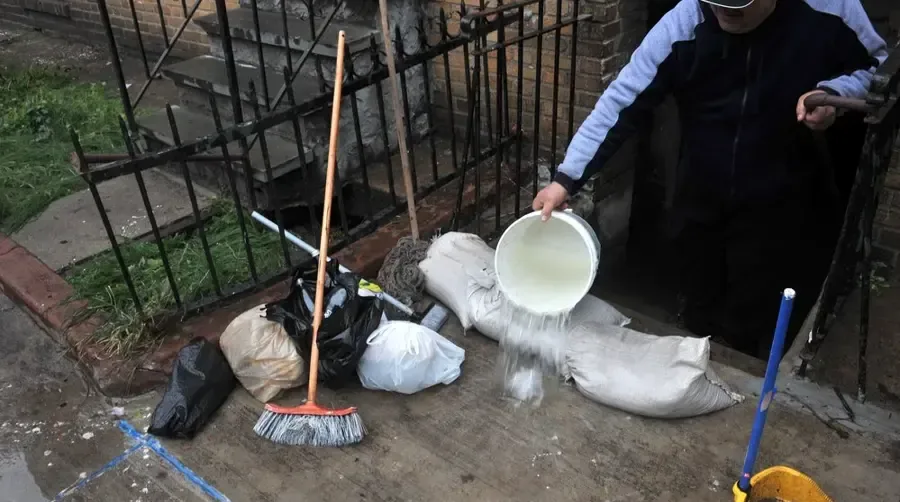
How flood cleanup is handled in Cannon Falls
The restoration specialist records the wet boundary before selecting equipment. Daily material readings and room conditions determine the next adjustment, with the final inspection checking concealed layers as well as exposed surfaces.
- 1
Establish the flood contact map
The inspection records entry points, deposited debris and the height and spread of indoor water. Safety conditions determine which areas can be assessed and worked on first.
- 2
Clear accumulated water and deposits
Extraction and debris removal expose the affected surfaces. Contents are documented and separated as needed, preserving a controlled path between the wet work zone and unaffected space.
- 3
Evaluate and clean remaining materials
The crew assesses porous finishes and opens areas requiring access. Retained hard surfaces and exposed assemblies are cleaned before the final drying configuration is put in place.
- 4
Track recovery through retained layers
Material readings and humidity conditions inform equipment adjustments. Completion records explain what has dried, what requires reconstruction and whether unresolved entry problems need separate attention before repairs.
About 8 inches of rain fell in the area on June 14, 2012. During that flooding, Highway 20 closed between Mill Street and River Road. Those historical conditions illustrate how a flood can affect both buildings and access. An indoor cleanup today starts with current safety conditions and the actual water route into the property.
First steps for flood cleanup in Cannon Falls
- 1
Wait for safe building access
Do not enter floodwater or a building with uncertain electrical or structural conditions. The cleanup discussion can begin from a safe place while access concerns receive appropriate attention.
- 2
Describe the apparent entry
Report where outdoor water crossed into the building and which rooms it reached. Include continuing entry or debris that blocks doors, stairs or other necessary access points.
- 3
Leave deposits visible initially
Photograph sediment, water marks and contents before cleanup where safe. These records help explain the flood contact boundary after removal changes the appearance of the affected room.
- 4
Keep dry contents protected
Avoid placing salvaged items on dirty wet surfaces. Separate unaffected belongings from flood touched possessions until their condition and handling requirements have been assessed for the cleanup scope.
What does flood cleanup cost in Cannon Falls, MN?
Flood cleanup costs in Cannon Falls reflect water contact, deposited debris and the building layers requiring access. Several rooms with contaminated finishes need more work than a limited entry area. The scope should distinguish removal, cleaning, drying and later repairs before authorization.
Limited entry area
- Localized water contact
- Accessible debris removal
- Defined drying area
Several affected rooms
- Connected surface cleaning
- Wet finish assessment
- Expanded contents handling
Extensive flood contact
- Broad removal scope
- Concealed layer access
- Multiple assembly drying
These planning ranges are not a quote. Water category, affected square footage, material class and the delay before drying all influence the scope. Compare the inputs in the water damage cost calculator for a closer range.
Inspect what the receding water leaves behind
Sand was deposited on the Cannon Valley Trail during the same event. Inside a building, sediment can also collect beneath furniture, in floor joints and around low fixtures. Extraction alone will not remove every deposit. The cleanup plan should expose those surfaces without carrying dirty water or debris through unaffected rooms and entrances.
- Photograph water marks before cleaning changes the visible boundary.
- Inspect low cabinets and storage for concealed sediment deposits.
- Keep affected rugs apart from dry household textiles and furniture.
Choose removal based on exposure
Flood contact can affect porous materials differently from cleanable hard surfaces. The inspection considers water condition, material damage and the ability to reach concealed layers. Saturated wallboard or absorbent contents may need removal, while retained assemblies require cleaning access. The written estimate should connect each task to an observed part of the loss.
- Record debris caught behind baseboards or against interior partitions.
- Assess wet insulation before an enclosed wall is closed.
- Preserve a dry access route wherever the layout permits.
Move from cleaning to measured recovery
Drying follows removal of water, deposits and materials that cannot remain. Moisture checks track the condition of framing, floor layers and other retained surfaces. The water extraction service may handle the first removal stage, while later work addresses the building assembly. Final documentation should distinguish completed mitigation from repairs and future entry point improvements.
Flood cleanup across Cannon Falls and nearby towns
Flood damage assessment covers Cannon Falls interiors reached by outdoor water. Describe the entrance point, affected floor levels and safe access conditions before a room recovery plan is developed.
The same service nearby: flood cleanup in Hastings, Red Wing, Farmington.
Water damage restoration in Cannon Falls · every town covered
Related water damage services in Cannon Falls
Flood Cleanup questions in Cannon Falls, MN
Is flood cleanup different from a supply leak?
Outdoor water can carry sediment and contamination into a building. That changes contents handling and material decisions, so a flood scope should address cleaning and exposure rather than only removing puddles.
Why record the water marks before cleaning?
Marks and deposits help show the original contact boundary. Photographs preserve that information after extraction and cleaning alter the room, supporting scope discussions and documentation of affected belongings and finishes.
Can mud under cabinets simply dry in place?
Deposits beneath fixtures need assessment and appropriate removal. Drying equipment cannot replace cleaning, and enclosed areas may require access to reach both debris and moisture held against the building materials.
Does the 2012 event describe current road access?
Access planning for a cleanup visit uses current property conditions. Explain any obstruction at the building entrance, stairs or driveway during the service conversation so the removal route can be planned.
What happens to soaked upholstered furniture?
Flood touched upholstery needs separate evaluation for contamination and material damage. Keep it apart from dry contents and document the item before disposal decisions are finalized with the relevant parties.
Can repairs begin while equipment remains?
Repair timing should follow the condition of each affected assembly. Closing a wet cavity can obstruct recovery, so measurements and the remaining cleaning scope should inform the reconstruction sequence.
Organize the flood cleanup from the threshold inward
A Cannon Falls flood assessment can separate extraction, deposits, damaged finishes and retained materials. That breakdown helps coordinate practical cleaning and drying steps before reconstruction or contents replacement begins.
(888) 432-4933Arrange an interior flood assessment- Hastings, MN · Dakota County
- (888) 432-4933, open 24/7
- Dried to the IICRC S500 standard
- Find us on Google