Foundation Seepage Cleanup in Prescott
A damp strip beside the foundation can hide wet trim and insulation above it. Prescott seepage cleanup follows the perimeter pattern, opens access where necessary and dries affected indoor materials while the water entry route receives separate attention.
(888) 432-4933Discuss damp foundation edges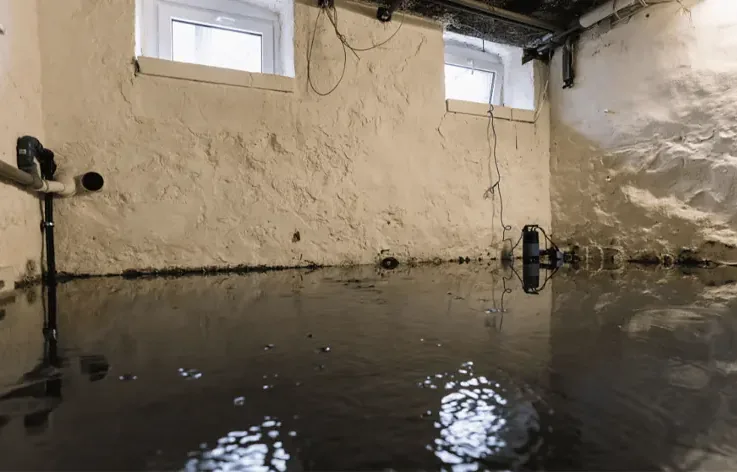
How foundation seepage cleanup is handled in Prescott
The restoration specialist records the wet boundary before selecting equipment. Daily material readings and room conditions determine the next adjustment, with the final inspection checking concealed layers as well as exposed surfaces.
- 1
Survey the perimeter pattern
The assessment checks visible dampness against adjoining materials and records separated wet locations, giving the cleanup scope a defined boundary that can change if concealed moisture is found.
- 2
Remove accumulation and assess finishes
Accessible water is cleared before closer checks of baseboards, flooring and wall layers. Materials are evaluated for condition and the access required to reach damp underlying surfaces.
- 3
Dry with entry conditions tracked
Equipment addresses the retained interior assembly while observations of renewed moisture are recorded. Changes in wetting or material response can require adjustments to access and drying placement.
- 4
Prepare a repair description
Final notes identify dried materials, removed finishes and any continuing source issue. The owner can use that information when arranging wall restoration or separate entry correction work.
Seepage may first appear as a narrow dark patch at a basement edge. The amount visible on the floor can be small while wall finishes continue absorbing moisture behind the baseboard. A useful assessment follows the perimeter, checks enclosed corners and records whether water returns after removal. Those observations connect the cleanup plan to the actual entry pattern.
First steps for foundation seepage cleanup in Prescott
- 1
Record the damp boundary
Photos should show the floor edge, nearby wall finish and any stored items touching the area. A sequence of observations can help explain whether the wet boundary changes.
- 2
Keep affected edges accessible
Dry movable belongings can be relocated from the wall when access is safe, leaving room for inspection without disturbing electrical equipment or unstable finishes near the damp area.
- 3
Report recurring moisture clearly
The owner should describe whether water returns after removal and where it first appears. That information helps coordinate interior drying with assessment of the unresolved entry route.
- 4
Plan before covering the stain
Painting, sealant or new trim can hide material conditions needed for the inspection. The affected assembly should be evaluated before cosmetic work changes the visible seepage pattern indoors.
What does foundation seepage cleanup cost in Prescott, WI?
Prescott seepage cleanup pricing varies with the length of affected interior edges and the finish layers holding moisture. An estimate should identify extraction, selective opening and drying, while drainage corrections or foundation repairs receive their own defined scope and pricing.
Exposed perimeter wetting
- Open edge assessment
- Localized water removal
- Accessible surface drying
Finished-wall involvement
- Trim and cavity checks
- Insulation condition assessment
- Retained framing monitoring
Repeated broad seepage
- Extended perimeter tracing
- Connected room inspection
- Recurring entry coordination
These planning ranges are not a quote. Water category, affected square footage, material class and the delay before drying all influence the scope. Compare the inputs in the water damage cost calculator for a closer range.
Let the building describe the problem
Walnut Circle Development is an approved single family subdivision near Walnut Street and Dexter Street. A future trail connection is planned between Magee Park and Walnut Circle. Inside a home in this area, the assessment centers on wall construction, visible dampness and floor contact. These building observations determine where cleaning, opening or drying access is needed.
- Check the wall base behind stored goods and fixed shelving.
- Record separated damp areas rather than assuming continuous wetting.
- Inspect flooring seams where water can collect beneath the surface.
Coordinate entry correction with interior work
Public Works operates the municipal storm water utility. The owner can direct utility drainage questions appropriately while arranging assessment of the property's own water entry route. Interior cleanup handles the resulting moisture, damaged finishes and retained assemblies. If fresh water keeps reaching the same area, the drying plan must account for that ongoing condition before completion is expected.
- Describe when dampness returns after visible water is removed.
- Keep photographs of each affected edge before finish removal.
- Include adjoining closets when their walls share the wet perimeter.
Leave a clear path to finish restoration
Selected trim or wall openings may be needed to assess insulation and expose framing. The resulting record should distinguish material removed for damage from access needed for drying. Once retained surfaces reach the drying target, the owner can plan finish repairs. Broader lower room damage is addressed through basement flood cleanup when seepage has spread beyond the perimeter.
Foundation seepage cleanup across Prescott and nearby towns
Properties around Walnut Circle, Walnut Street and Dexter Street can discuss seepage recovery based on visible entry, wall finishes and whether dampness extends into closets or adjoining lower rooms.
The same service nearby: foundation seepage cleanup in Hastings, Red Wing, Cannon Falls.
Related water damage services in Prescott
Foundation Seepage Cleanup questions in Prescott, WI
Can a small damp strip hide a larger loss?
Yes. Trim and enclosed wall layers can absorb moisture above the visible floor patch. Checks behind accessible edges help establish whether the wetting remains localized or extends farther into the assembly.
Does cleanup include foundation repair automatically?
Interior cleanup and entry correction have different tasks. The estimate should state which work is included, who assesses the entry route and how continued seepage will be coordinated during drying.
Should damp baseboards be painted immediately?
Painting should wait for assessment of the trim and the wall behind it. Covering the surface can conceal useful damage details while damp underlying material still needs access or drying.
What if only a closet corner feels wet?
The closet belongs in the inspection when it shares the affected perimeter. Shelving and stored items can block observations, so accessible edges and connected wall bases need careful checking.
How is returning seepage handled during drying?
Fresh entry should be reported and recorded. The source assessment and drying plan may need adjustment so retained materials can make progress without repeated wetting undoing the previous work.
When can removed trim be replaced?
Replacement follows the drying assessment and any necessary repair preparation. The completion record should identify the wall and floor materials checked behind the trim before the edge is enclosed again.
Address moisture behind the baseboard
Interior seepage recovery needs attention to both retained materials and continued entry. Owners can discuss the wet boundary and the separate source assessment before agreeing on the removal and drying scope.
(888) 432-4933Plan the perimeter drying assessment- Hastings, MN · Dakota County
- (888) 432-4933, open 24/7
- Dried to the IICRC S500 standard
- Find us on Google