Red Wing Foundation Seepage Cleanup
A damp strip beside the foundation can spread beneath finishes before a large puddle forms. Red Wing seepage cleanup follows that perimeter wetting, checks concealed materials and coordinates attention to the incoming water so interior drying can hold its progress.
(888) 432-4933Discuss wet foundation edges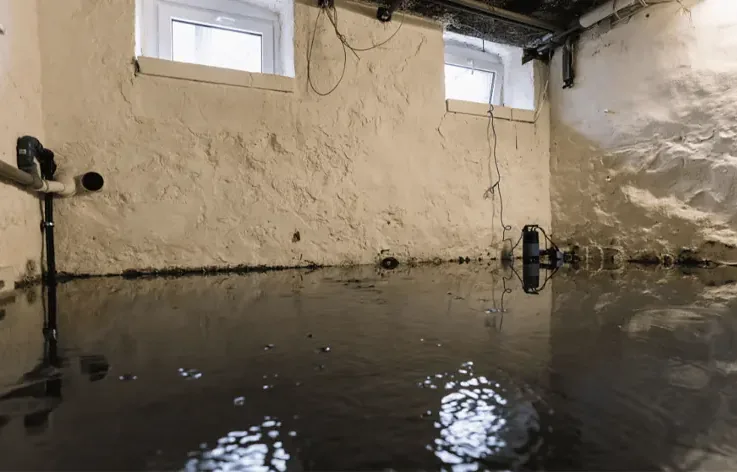
How foundation seepage cleanup is handled in Red Wing
The restoration specialist records the wet boundary before selecting equipment. Daily material readings and room conditions determine the next adjustment, with the final inspection checking concealed layers as well as exposed surfaces.
- 1
Map the affected perimeter
Wet seams and adjoining floor layers are mapped, with repeated entry observations used to coordinate the separate source assessment.
- 2
Create useful material access
Selected trim or finishes are removed when necessary to expose damp backing. The work should reveal the affected assembly while preserving sound material that can be practically cleaned and dried.
- 3
Manage the drying boundary
Air movement and dehumidification target the opened areas and retained surfaces. Readings along the original perimeter show whether progress is consistent or an overlooked section needs a different equipment arrangement.
- 4
Assess the recurring entry risk
Before repair, the handoff identifies completed interior treatment and remaining drainage or foundation tasks. Permit questions follow any structural repair scope, keeping the cleanup record connected to the work still required.
Foundation seepage often creates a narrow visible mark with a wider concealed footprint. Water at a wall and floor junction can reach the underside of a covering or the back of finished trim. Red Wing's Utilities Division handles stormwater activities. For an individual building, tracing the actual entry seam and the exterior water conditions helps separate interior cleanup from the work needed to prevent continued wetting.
First steps for foundation seepage cleanup in Red Wing
- 1
Record the damp pattern
Photograph the wall and floor junction from a safe area, noting where the first mark appeared. A visible sequence helps distinguish ongoing entry from water left by an earlier event.
- 2
Give the perimeter inspection space
Belongings against wet walls can hide damage and absorb moisture. Suitable handling should create access without dragging soaked containers across clean flooring or losing track of the original wet boundary.
- 3
Keep finishes visible for assessment
Paint and replacement trim can conceal a returning problem. Leave affected surfaces available for inspection until the entry route and retained material condition have been evaluated during the cleanup planning.
- 4
Separate exterior and interior tasks
Describe any drainage or foundation work already proposed. Coordinating that repair with interior water removal avoids treating the same wet finishes repeatedly while incoming moisture continues reaching the room.
What does foundation seepage cleanup cost in Red Wing, MN?
Seepage cleanup pricing in Red Wing depends on the length of affected perimeter, concealed finish involvement and repeated wetting. Exterior drainage or foundation repairs should be quoted separately, with interior access, material removal and drying explained by the areas actually affected.
Exposed perimeter wetting
- Visible wall access
- Limited floor extraction
- Targeted moisture observations
Finished-wall involvement
- Selective trim removal
- Concealed backing inspection
- Retained material drying
Repeated broad seepage
- Expanded perimeter assessment
- Recurring entry coordination
- Multiple assembly treatment
These planning ranges are not a quote. Water category, affected square footage, material class and the delay before drying all influence the scope. Compare the inputs in the water damage cost calculator for a closer range.
Compare the wet edge with the room layout
A property near East Fifth Street may have storage or finished partitions hiding part of the perimeter. The inspection needs access to those areas, along with observations about when the dampness appeared. The location of a stain, its growth and the condition of neighboring materials are more useful to the drying scope than a general assumption about the foundation.
- Mark affected wall sections without covering the visible moisture pattern.
- Check the underside of floor edges where water can collect.
- Note whether dampness returns during or after the cleanup work.
Open only where access serves recovery
Removing a small piece of trim may reveal wet backing that needs a larger inspection opening. The amount removed should follow material condition and the access needed for cleaning or drying. Near Barn Bluff, as elsewhere in the city, the building's actual assembly controls those choices. Foundation repair and exterior drainage work should be clearly distinguished from treatment of damaged interior finishes.
Judge progress along the whole perimeter
Drying equipment can improve a room while a concealed corner stays wet. Measurements should revisit the original damp sections and adjoining materials instead of relying solely on room humidity. If entry continues, the source needs further attention before finishes are replaced. Structural repairs and alterations require city permits. The basement water cleanup service covers larger accumulated losses when seepage has also flooded storage or occupied lower rooms, while the final record should retain the specific perimeter findings.
Foundation seepage cleanup across Red Wing and nearby towns
For a Red Wing home near Memorial Park, describe which wall becomes wet and when the pattern changes. The assessment should also identify finished surfaces that conceal the lower perimeter.
The same service nearby: foundation seepage cleanup in Hastings, Cannon Falls, Prescott.
Related water damage services in Red Wing
Foundation Seepage Cleanup questions in Red Wing, MN
Can a narrow damp strip affect a larger area?
Moisture can spread under flooring or behind trim beyond the visible mark. Inspection should follow those connected layers before the cleanup scope is limited to the strip that appears wet on the surface.
Does cleanup include foundation repair?
Interior treatment and foundation repair serve different purposes. The estimate should identify which work addresses wet building materials and which contractor will handle the entry route or exterior drainage condition causing repeated wetting.
Should the damp wall be painted immediately?
New paint can obscure the moisture pattern without resolving it. The source and material condition should be assessed first, with drying completed before a replacement finish conceals areas that still need inspection.
What if the perimeter becomes wet again?
Renewed dampness calls for another assessment of the entry conditions. Drying arrangements may need adjustment, but continued source control is also necessary so retained materials are not repeatedly exposed while cleanup proceeds.
Are room humidity readings enough to finish?
The technician uses room humidity to adjust the drying equipment and takes separate readings along the affected wall and floor. Before finishes return, those material checks need to show that the damp perimeter has reached its drying goal.
Do structural foundation repairs need a permit?
The city requires permits for structural repairs and alterations. Once the repair scope is known, the relevant requirements should be addressed before structural work or replacement finishes close the inspected area.
Follow moisture behind the finished edge
Interior recovery needs access to the materials that hold water. Discuss selective opening, drying observations and source repair coordination before replacing trim or flooring beside a foundation that continues to admit moisture.
(888) 432-4933Arrange a seepage damage assessment- Hastings, MN · Dakota County
- (888) 432-4933, open 24/7
- Dried to the IICRC S500 standard
- Find us on Google