Red Wing Basement Flood Cleanup
A basement can hold water in several places at once: across the slab, inside stored boxes and behind finished walls. Red Wing basement cleanup sorts those wet areas before deciding what can be dried and what needs removal.
(888) 432-4933Discuss lower level damage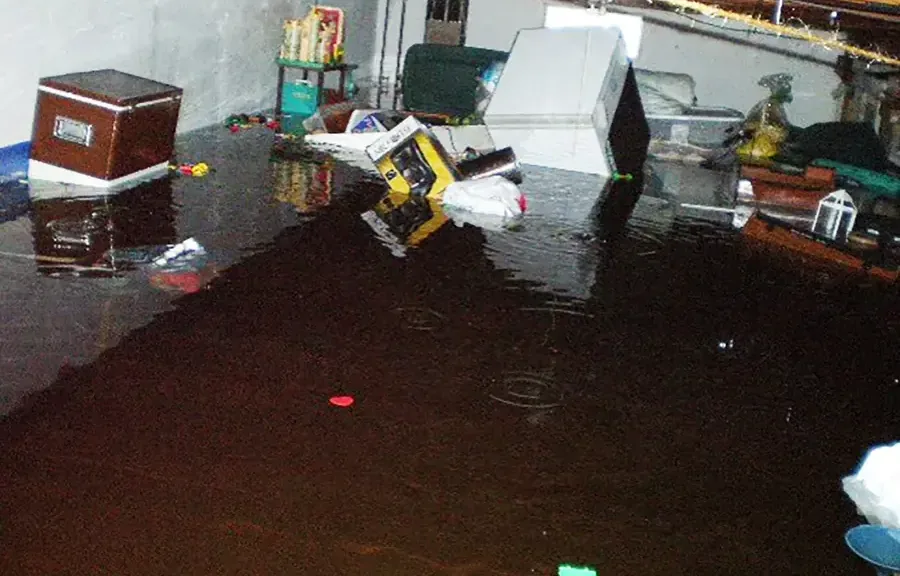
How basement flood cleanup is handled in Red Wing
The restoration specialist records the wet boundary before selecting equipment. Daily material readings and room conditions determine the next adjustment, with the final inspection checking concealed layers as well as exposed surfaces.
- 1
Establish the basement boundary
Inspection identifies the incoming route and checks adjoining spaces for connected wetting. A working map records floor conditions, storage exposure and access limitations before removal starts.
- 2
Remove water and obstructions
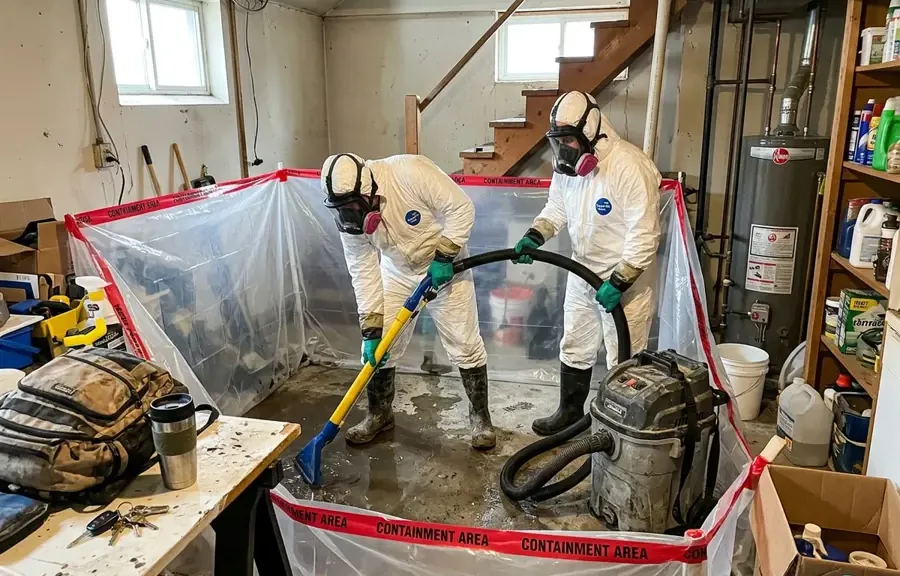
Pumping and extraction expose the underlying surfaces. Damaged contents are evaluated in place, and selected removals create access without spreading dirty water through clean parts of the building.
- 3
Dry the retained assembly
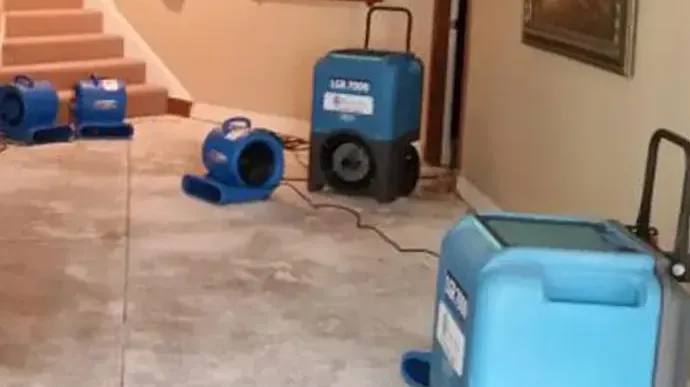
Air movement and dehumidification target the materials that remain. Readings at wall bases, framing and flooring show whether the arrangement needs adjustment as the room dries.
- 4
Explain the remaining work
The handoff identifies dried areas, removed finishes and source repairs still required. Structural concerns and rebuilding requirements stay visible in the record instead of disappearing behind replacement surfaces.
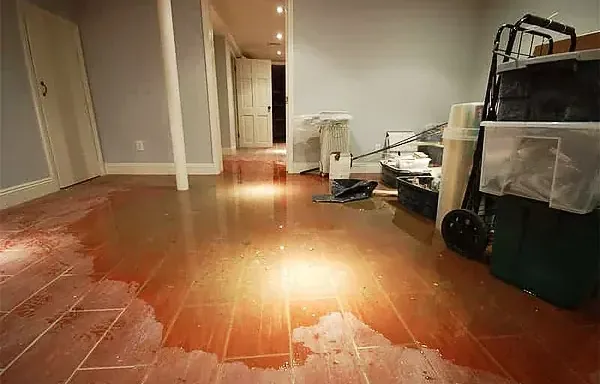
Basement water makes storage decisions urgent, but the first task is understanding how the room filled. Red Wing's Utilities Division maintains sanitary sewers and handles stormwater activities. The inspection should distinguish a rising drain from water crossing a wall seam or spilling from a broken pipe. Each route changes both the immediate precautions and the repair needed to keep the floor dry.
First steps for basement flood cleanup in Red Wing
- 1
Stay above uncertain water
A flooded stair landing can conceal electrical contact or debris. Occupants should remain on a dry level until access and the water source have been assessed.
- 2
Describe the lowest openings
Report whether water appeared at a floor drain, wall joint, window or utility connection. Those observations help separate an active entry problem from water already trapped indoors.
- 3
Protect a clean route
Keep people away from the removal path and leave wet storage grouped by room. Avoid carrying leaking boxes through unaffected living areas before their exposure is evaluated.
- 4
Save a room inventory
List large furniture, shelving and stored contents visible from a safe position. Early notes help compare the initial loss with later removal, cleaning and salvage decisions.
What does basement flood cleanup cost in Red Wing, MN?
Basement cleanup in Red Wing depends on water depth, access and the amount of finished material involved. A written estimate should separate extraction from removal and drying, then explain additional handling for contaminated water or difficult storage conditions.
Unfinished area
- Open floor access
- Exposed surface cleaning
- Basic drying arrangement
Finished lower level
- Wet trim removal
- Hidden cavity inspection
- Multiple material readings
Contaminated basement
- Controlled debris handling
- Affected contents sorting
- Broader surface treatment
These planning ranges are not a quote. Water category, affected square footage, material class and the delay before drying all influence the scope. Compare the inputs in the water damage cost calculator for a closer range.
Read the room before moving everything
Cardboard, shelving feet and wall trim often reveal different water heights. A house near Bay Point Park should be assessed by those visible marks and material readings, with the same attention to concealed edges as any other property. Moving every item immediately can erase useful evidence or carry contaminated water upstairs.
- Photograph storage groups before separating damaged containers from sound belongings.
- Check enclosed rooms that may hold water beyond the stairs.
- Keep clean upstairs paths clear of wet removal traffic.
Give the walls a drying path
Extraction removes the floor water; it does not empty soaked insulation or saturated trim. Finished walls may need selective opening after their condition and exposure are evaluated. In an unfinished space, exposed framing still deserves moisture checks. A location near Memorial Park helps identify the visit area, while construction details determine the actual drying approach.
- Inspect the joint between wall finishes and floor coverings.
- Record which materials need removal and why access matters.
- Arrange equipment around retained storage without blocking the exit.
Plan what happens after cleanup
Structural repairs and alterations require a building permit in the city. That conversation belongs before framing is rebuilt or damaged supports are concealed. The final cleanup record should identify remaining source repairs, opened surfaces and drying observations. The town restoration overview connects basement recovery with related services when water has also affected rooms above or adjacent to the lower level.
Basement flood cleanup across Red Wing and nearby towns
For a basement near Frazier Street or elsewhere in Red Wing, the initial description should identify stair access, water depth and whether the lower level contains finished living space.
The same service nearby: basement flood cleanup in Hastings, Cannon Falls, Prescott.
Related water damage services in Red Wing
Basement Flood Cleanup questions in Red Wing, MN
Can wet basement boxes stay stacked?
Stacked wet cardboard can collapse and hide damage to nearby walls. Contents should be assessed before movement, with suitable containers and a clean handling route selected for items that can be retained.
Does a dry slab mean the basement is ready?
The slab is only part of the room. Wall bottoms, framing, flooring layers and stored contents can retain moisture after surface water is gone, so completion depends on the whole affected assembly.
Should a floor drain be blamed first?
Water near a drain may have arrived from somewhere else. The entry history, drain behavior and surrounding wet marks need inspection before selecting sewage precautions or deciding which source repair is necessary.
Can finished walls be saved?
Some wall assemblies can remain after suitable cleaning and drying. Exposure, material condition and access determine that decision. Softened finishes or inaccessible wet backing may require removal to reach the underlying structure.
Do basement repairs need city assessment?
Structural repairs and alterations require permits. The planned reconstruction should be discussed with the building authority before damaged framing or supports are replaced, using cleanup photographs to explain the areas that were opened.
What should be recorded before pumping?
Safe photographs of water height, entry marks and contents help preserve the initial condition. A brief room inventory is also useful because extraction and removal can change the scene quickly once work begins.
Bring the lower level into focus
Basement recovery starts with a safe way in and a clear route for the water out. Discuss the affected rooms, source concerns and materials that need a closer moisture assessment.
(888) 432-4933Plan the basement assessment- Hastings, MN · Dakota County
- (888) 432-4933, open 24/7
- Dried to the IICRC S500 standard
- Find us on Google