Red Wing Structural Drying
After the puddles disappear, a building can still hold substantial moisture inside its construction. Red Wing structural drying follows the retained materials themselves, adjusting access and equipment as readings change rather than judging completion by how the room feels to occupants.
(888) 432-4933Discuss retained material moisture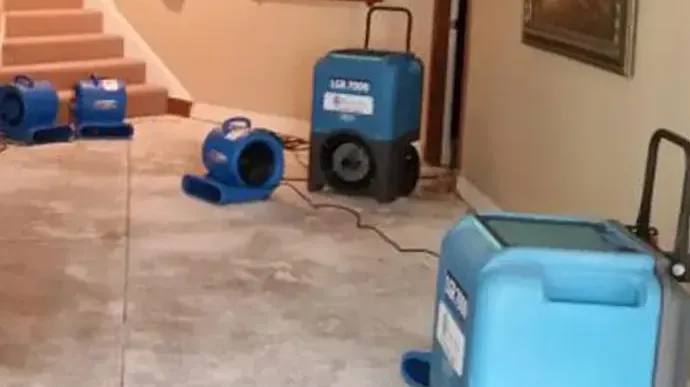
How structural drying is handled in Red Wing
The restoration specialist records the wet boundary before selecting equipment. Daily material readings and room conditions determine the next adjustment, with the final inspection checking concealed layers as well as exposed surfaces.
- 1
Create the initial material record
Wet retained assemblies and unaffected comparison areas establish the starting record, including access restrictions that may affect later measurements.
- 2
Arrange equipment around the construction
Air movement and moisture removal suit the exposed surfaces and room configuration. The layout supports drying while preserving safe access through occupied parts of the building and around equipment.
- 3
Assess the response and adjust
Repeated observations show which materials are improving and which remain wet. Equipment changes, further access or renewed source investigation follow those findings when an assembly responds differently from the rest of the space.
- 4
Explain the completion decision
The final record states which materials were checked and what repair remains. Reconstruction can then proceed with an understandable account of the drying outcome and any structural work requiring separate assessment.
Drying a room and drying its structure are related but different tasks. Air can feel comfortable while a subfloor layer or enclosed wall member remains wet. At a Red Wing building near Memorial Park, the plan should identify the specific materials being retained and the access available to them. Those details determine where equipment belongs and which measurements will show meaningful progress toward repair.
First steps for structural drying in Red Wing
- 1
Confirm that incoming water is controlled
Before drying begins, the source history should be reviewed with any completed repair. Recurring entry changes the moisture load and can prevent equipment from producing useful progress in the retained materials.
- 2
Identify the surfaces intended to remain
Identify recoverable framing and floor layers separately from finishes selected for removal, keeping measurements focused on construction that will remain.
- 3
Preserve the planned drying environment
Doors, windows and equipment placement affect the controlled space. Occupants should follow the agreed access arrangement and report necessary changes rather than moving machines or opening the room without coordination.
- 4
Keep repair timing connected to measurements
Replacement finishes should wait for an appropriate assessment of the retained assembly. A clear schedule leaves access available for readings and avoids closing material that still needs additional drying or inspection.
What does structural drying cost in Red Wing, MN?
Structural drying costs in Red Wing depend on material depth, accessible surface area and the conditions needed to remove retained moisture. The estimate should explain equipment placement, monitoring and any necessary access work, with reconstruction and continuing source repairs listed separately for assessment.
Contained drying zone
- Defined material boundary
- Focused equipment layout
- Consistent reading locations
Several wet assemblies
- Connected surface treatment
- Multiple moisture checks
- Adjusted air circulation
Dense or concealed materials
- Additional access planning
- Concealed layer assessment
- Detailed progress documentation
These planning ranges are not a quote. Water category, affected square footage, material class and the delay before drying all influence the scope. Compare the inputs in the water damage cost calculator for a closer range.
Define a material based drying boundary
Water removal leaves different moisture conditions across connected surfaces. A wall base, floor seam and exposed framing cavity may need separate attention even within the same room. For a property near Frazier Street, the inspection should record those locations clearly enough that later readings can be compared with the original condition instead of taken from convenient but unrelated spots.
- Identify assemblies that remain after damaged finishes have been removed.
- Record areas where coverings still restrict air movement or inspection.
- Compare changes at consistent locations throughout the affected drying space.
Adjust the space as the materials respond
Air movers support evaporation from accessible wet surfaces, while dehumidification manages moisture released into the air. Equipment placement needs to serve the assembly rather than crowd the room. If readings stop improving, access, material condition and the possibility of renewed entry deserve another look. Drying cannot compensate for an active source that continues adding water to the construction.
Leave a usable record for reconstruction
Red Wing requires permits for structural repairs and alterations, with the Building Inspection Division overseeing code compliance. Drying notes should explain the condition of retained construction while the repair scope addresses those requirements. The restoration service overview connects drying with source specific cleanup when removal or cleaning remains unfinished. At handoff, the owner needs to know which materials were assessed, which areas were opened and what repair work is still outstanding. That record gives reconstruction a clear starting point instead of relying on a room that merely looks dry.
Structural drying across Red Wing and nearby towns
Red Wing drying assessments around Bay Point Park consider the affected assembly and available access. Describe which finishes remain in place and any water removal or source repair already completed at the building.
The same service nearby: structural drying in Hastings, Cannon Falls, Prescott.
Related water damage services in Red Wing
Structural Drying questions in Red Wing, MN
Can comfortable room air still surround wet materials?
Room air and construction layers can hold different moisture conditions. Measurements in retained materials help determine whether the assembly needs more treatment even when occupants no longer notice dampness in the room.
Why are readings taken in repeated locations?
Consistent locations make changes easier to interpret. Comparing the same material areas over time helps distinguish actual drying progress from differences caused by measuring another surface or a less affected part of the room.
Should windows stay open during equipment operation?
The drying environment should follow the agreed plan. Uncoordinated openings can change indoor conditions and equipment performance, so occupants should discuss ventilation or access needs before changing the arrangement around the affected space.
Does every wet assembly need demolition?
Retention depends on material condition, exposure and practical access for treatment. Some construction can dry in place, while other layers need selective opening or removal before moisture can be addressed adequately.
What if a material stops improving?
The plan should revisit access, equipment arrangement and possible new water entry. A stalled reading needs an explanation tied to the assembly rather than simply leaving the original machines running without reassessment.
What should the repair contractor receive?
The handoff should identify retained materials, opened areas and the drying observations supporting completion. It should also distinguish remaining structural or source work so new finishes do not conceal an unresolved condition.
Base reconstruction on a drying record
Equipment is useful when its effect on the building can be explained. Discuss material readings, access and remaining source concerns so the finish decision follows the actual condition of the retained construction.
(888) 432-4933Arrange a material drying assessment- Hastings, MN · Dakota County
- (888) 432-4933, open 24/7
- Dried to the IICRC S500 standard
- Find us on Google