Structural Drying in Cannon Falls
A room can feel comfortable while moisture remains inside its floor or walls. Structural drying in Cannon Falls uses material readings, access and controlled room conditions to address that retained water before replacement finishes hide the affected assembly again.
(888) 432-4933Discuss the materials that remain damp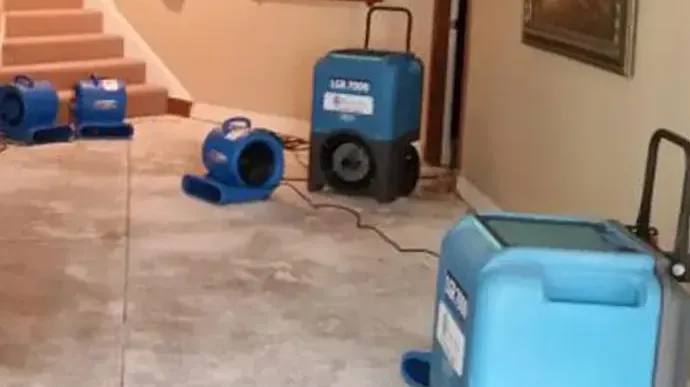
How structural drying is handled in Cannon Falls
The restoration specialist records the wet boundary before selecting equipment. Daily material readings and room conditions determine the next adjustment, with the final inspection checking concealed layers as well as exposed surfaces.
- 1
Establish a material specific starting record
The inspection identifies wet surfaces and comparison areas, then records their condition. Source control, contamination and access are considered so the equipment plan begins with appropriate assembly preparation.
- 2
Build a workable drying environment
Machines support the retained materials and available airflow paths. Room conditions and cavity access are considered together, with selective openings identified when an enclosed layer cannot be treated effectively.
- 3
Compare readings and adjust the arrangement
Progress checks return to documented locations and compare material behavior. Equipment, access or source conditions are reassessed when part of the structure stays wet despite improvement in exposed surfaces.
- 4
Document completion before the repair handoff
The final record explains retained material condition and the basis for ending equipment use. Reconstruction stays distinct, allowing repairs to follow verified drying and applicable inspection requirements.
Structural drying begins with the materials that remain after water removal and necessary cleaning. A floor covering, wall plate and exposed framing member can hold moisture differently, so a single room reading cannot describe the whole loss. The plan identifies affected assemblies, establishes useful comparison points and sets equipment where it can support moisture release from those particular surfaces.
First steps for structural drying in Cannon Falls
- 1
Explain the original water event
Describe the source, affected rooms and completed removal. That history helps identify relevant materials and any preparation still needed before equipment starts working on the retained building assembly.
- 2
Keep equipment in its assigned position
Avoid unplugging or moving installed machines without discussing the change. Placement and operation relate to the drying plan, and interruptions can affect how material readings are interpreted during subsequent progress checks.
- 3
Preserve access to measurement locations
Leave exposed wall edges and floor areas available for inspection. Avoid stacking contents against them or installing trim while retained materials need readings and a path for moisture release.
- 4
Report changes inside the work area
Mention renewed leaks, condensation or a newly damp surface promptly. Those observations can signal a source or access problem that deserves reassessment alongside the recorded drying progress and current equipment arrangement.
What does structural drying cost in Cannon Falls, MN?
Structural drying costs in Cannon Falls depend on the materials retained, their accessibility and the extent of the wet assembly. Several enclosed layers need different work from an open drying zone. The estimate should explain equipment, monitoring and any access preparation separately.
Contained drying zone
- Focused equipment placement
- Accessible material readings
- Limited room preparation
Several wet assemblies
- Multiple surface monitoring
- Connected area adjustments
- Expanded drying arrangement
Dense or concealed materials
- Special access assessment
- Layered moisture checks
- Detailed progress tracking
These planning ranges are not a quote. Water category, affected square footage, material class and the delay before drying all influence the scope. Compare the inputs in the water damage cost calculator for a closer range.
Make the readings explain the equipment
Timber Ridge and Hardwood Estates Subdivision appear on city housing development pages. Within a home, the actual construction and wet footprint determine drying needs. Equipment should have a clear purpose in that space: moving air across exposed materials, controlling room humidity or helping an accessible cavity release moisture. Its placement should be reviewed as material readings change.
- Record the same affected locations during successive progress checks.
- Keep furniture from obstructing air movement around wet assemblies.
- Check enclosed edges when open surfaces improve more quickly.
Resolve barriers to moisture leaving the assembly
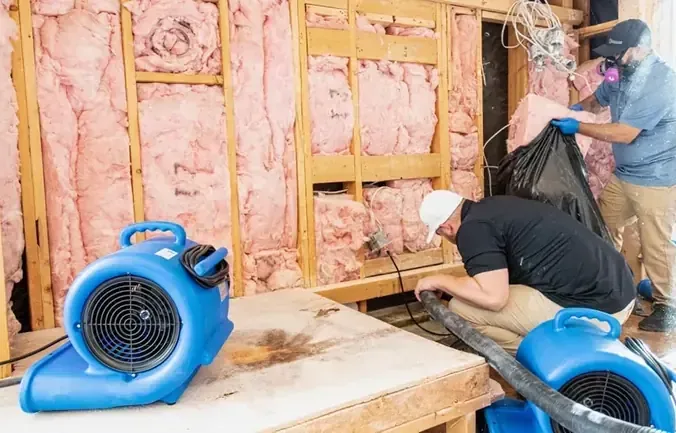
Painted finishes, floor coverings and closed cavities can limit access to the wet layer beneath. Selective openings may be needed to evaluate condition or create a workable drying path. The scope should explain each opening and distinguish retained materials from damaged finishes requiring replacement. If readings stall, the source and equipment arrangement both deserve reassessment.
- Confirm that new water is no longer entering the area.
- Inspect dense or layered materials separately from nearby drywall.
- Preserve measurement access until the affected structure is ready.
Use documented condition to schedule rebuilding
Goodhue County schedules building inspections. Repair planning should align any applicable requirements with completion of the drying work. The town restoration overview places drying within the broader cleanup sequence. Final records should identify tested locations, remaining repairs and the basis for removing equipment, allowing replacement finishes to cover an assembly whose moisture condition has been checked rather than assumed.
Structural drying across Cannon Falls and nearby towns
Drying assessments cover wet building materials in Cannon Falls, including Timber Ridge properties. Describe the original water source, completed removal work and any walls or floor layers that remain exposed.
The same service nearby: structural drying in Hastings, Red Wing, Farmington.
Water damage restoration in Cannon Falls · every town covered
Related water damage services in Cannon Falls
Structural Drying questions in Cannon Falls, MN
Does a dry feeling wall need measurements?
Touch evaluates only the surface. Material readings can identify moisture beneath a finish or in connected layers, helping determine whether the assembly needs more access or continued drying before repair.
Why do different materials dry at different rates?
Thickness, composition, surface coverings and airflow access affect moisture release. The plan should account for those differences rather than expecting every wet part of the room to progress together.
Can equipment be turned off overnight?
Discuss operating changes with the restoration team before altering the setup. Drying progress depends on the planned conditions, and interruptions can complicate both moisture removal and interpretation of followup readings.
Why would an additional opening be needed?
A concealed wet layer may remain inaccessible behind a retained finish. The assessment should explain how an opening will improve inspection or drying and identify the subsequent repair it will require.
Is extraction still necessary before drying?
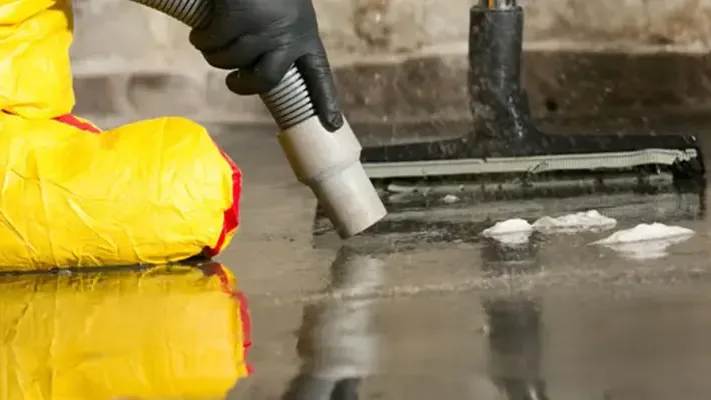
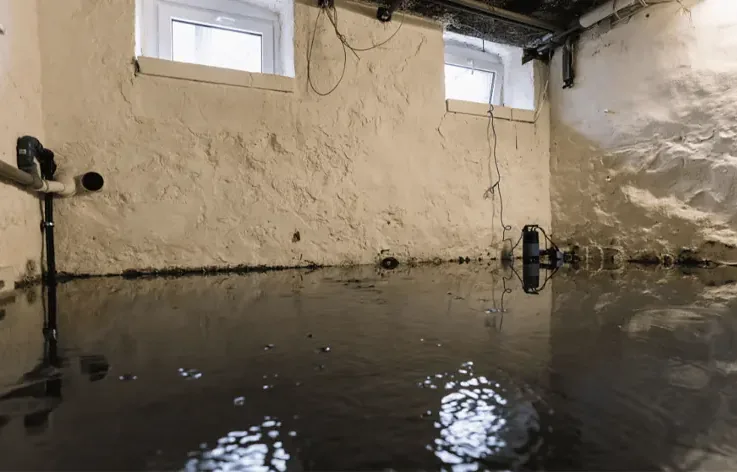
Accessible standing water generally needs removal before equipment addresses absorbed moisture. Cleaning and material handling also belong earlier in the sequence when the source and surface conditions require those tasks.
What supports the decision to remove equipment?
The decision should follow documented material condition and the completed drying scope. Final readings and remaining repair notes provide a clearer basis than room comfort or the absence of visible puddles.
Prepare the structure before new finishes arrive
Cannon Falls structural drying can turn moisture measurements into practical equipment and repair decisions. A clear record helps explain progress and identifies when the retained assembly is ready for the next stage.
(888) 432-4933Arrange a retained material drying assessment- Hastings, MN · Dakota County
- (888) 432-4933, open 24/7
- Dried to the IICRC S500 standard
- Find us on Google