Emergency Water Extraction in Cannon Falls
The visible puddle is only part of an extraction job. Water removal in Cannon Falls accounts for depth, floor coverings and access so equipment can reach the affected space without carrying dirty water through dry rooms.
(888) 432-4933Discuss access for water extraction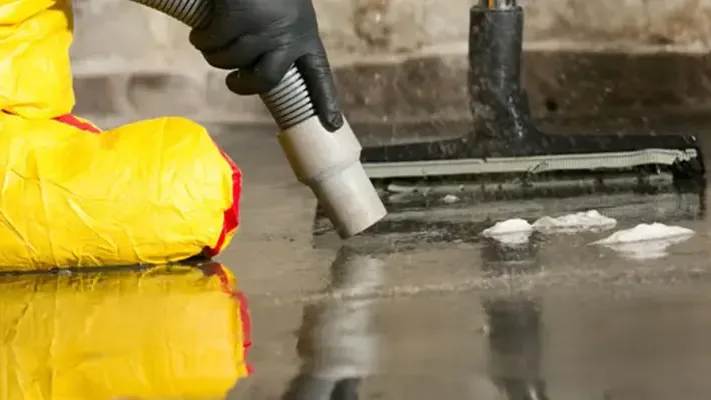
How emergency water extraction is handled in Cannon Falls
The restoration specialist records the wet boundary before selecting equipment. Daily material readings and room conditions determine the next adjustment, with the final inspection checking concealed layers as well as exposed surfaces.
- 1
Assess depth and floor condition
The initial inspection establishes water extent, contamination concerns and access. These observations shape equipment choice and the order in which connected spaces receive extraction and assessment.
- 2
Create a controlled removal route
Hoses and work paths are arranged around the building's usable areas. Belongings are shifted or separated where necessary to expose water without disrupting unaffected rooms unnecessarily.
- 3
Work through the affected surfaces
Accessible water is removed from open areas and recesses. Floor coverings and edges receive attention appropriate to their condition, with additional damaged layers identified for assessment.
- 4
Define the residual moisture scope
Material readings and surface inspection reveal what remains after extraction. The next plan sets out cleaning, removal or drying needs instead of treating an empty floor as completion.
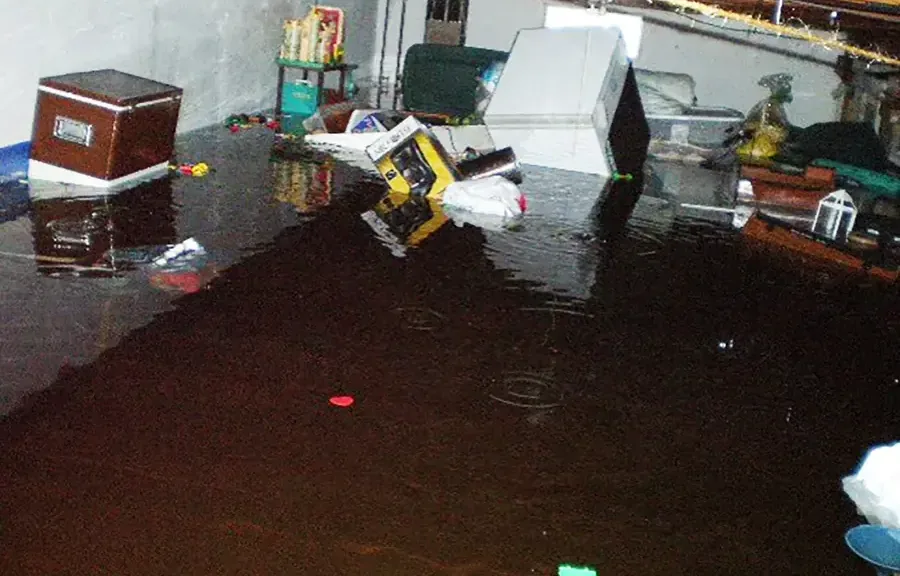
A rental shop reported about 2 feet of water over its floor during the June 2012 flood. That kind of indoor accumulation makes access and contents handling central to the extraction plan. Whether a present loss involves a shop or a home, the operator needs to establish where water can be removed safely and which surfaces require closer inspection afterward.
First steps for emergency water extraction in Cannon Falls
- 1
Identify safe entry conditions
Report water near outlets, powered equipment or unstable overhead finishes before anyone enters. Removal planning starts with a safe route into the affected space and appropriate electrical assessment.
- 2
Explain where water collects
Describe the deepest visible area, connected rooms and any continuing flow. Those details help distinguish a contained puddle from a loss that is still expanding across surfaces.
- 3
Keep dry passages usable
Move unaffected obstacles only when safe and practical. Avoid dragging soaked items across dry flooring or filling the access route with possessions awaiting assessment and possible cleaning.
- 4
Record conditions before removal
Photograph water marks and affected floor coverings from safe ground. A record of the original spread supports later decisions about concealed moisture and the necessary drying scope.
What does emergency water extraction cost in Cannon Falls, MN?
Cannon Falls extraction pricing reflects the amount of accessible water, the route into affected rooms and any difficult floor assemblies. Deeper accumulation or restricted access can add work. Cleaning and material drying should be clearly distinguished from the initial removal allowance.
Accessible floor water
- Open room access
- Standing water removal
- Initial edge inspection
Several connected rooms
- Expanded extraction route
- Floor covering assessment
- Multiple wet surfaces
Deep or difficult access
- Additional removal equipment
- Restricted entry planning
- Complex contents movement
These planning ranges are not a quote. Water category, affected square footage, material class and the delay before drying all influence the scope. Compare the inputs in the water damage cost calculator for a closer range.
Clear the water without spreading the loss
Cannon Falls is located on Highway 52. The Cannon River supports canoeing, and the Cannon Valley Trail supports bicycling in town. Inside an affected building, however, removal logistics focus on thresholds, stairs and the route to each wet room. Hoses and contents movement should be arranged to preserve dry circulation wherever practical. Contaminated water needs handling suited to its condition.
- Identify electrical hazards before entering a water covered room.
- Keep furniture movement from blocking the planned removal route.
- Check recesses where water remains behind doors or fixtures.
Match extraction to the floor assembly
A hard surface may expose puddles clearly while a floor covering holds water against the layer beneath it. Removal passes should account for those differences. The assessment may also identify damaged backing, swollen trim or wet seams that need further access. Simply clearing the center of the room can leave important perimeter moisture unresolved.
- Inspect seams and wall edges after visible water recedes.
- Separate contents that obstruct access to saturated floor coverings.
- Document surface condition before additional material removal begins nearby.
Decide what follows the pumping work
Extraction exposes the affected surfaces for closer inspection. Material readings then identify moisture held within the remaining building layers. Moisture readings determine whether the next scope involves cleaning, material removal or controlled structural drying. The handoff should explain remaining wet areas and the steps needed before furnishings return to the floor.
Emergency water extraction across Cannon Falls and nearby towns
Water removal is available for assessment across Cannon Falls, including buildings reached from Highway 52. Explain room access, steps and the current water source when describing the loss.
The same service nearby: emergency water extraction in Hastings, Red Wing, Farmington.
Water damage restoration in Cannon Falls · every town covered
Related water damage services in Cannon Falls
Emergency Water Extraction questions in Cannon Falls, MN
Is extraction the same as drying?
Extraction removes accessible water. Drying addresses moisture retained inside building materials afterward. Many losses need both stages, and the estimate should make the distinction clear before work begins.
Can a wet vacuum handle every room?
Equipment choice depends on depth, access, contamination and the affected surfaces. A household device may not reach water beneath coverings or manage the conditions present in a larger indoor loss.
What happens to water under furniture?
The work plan identifies contents that block removal. Safe movement or separation exposes the wet surface while documenting damage to furniture and keeping affected belongings away from clean areas.
Does extraction require removing every floor covering?
Each covering needs assessment for water condition, damage and access underneath. Some materials may be retained, while others require removal to reach trapped water or address contamination effectively.
How should a business prepare for extraction?
Keep occupants out of the wet work area and identify a dry access route. Explain valuable contents, restricted rooms and operational needs before equipment and removal paths are arranged.
What indicates that further work is needed?
Damp edges, swollen finishes and elevated material readings can identify remaining damage after puddles disappear. The post extraction assessment should explain those findings and recommend the next necessary tasks.
Clear the water and identify what remains
An extraction scope in Cannon Falls should explain equipment access, contents movement and the next material checks. That sequence helps turn an obstructed wet room into a workable recovery area.
(888) 432-4933Arrange an extraction scope discussion- Hastings, MN · Dakota County
- (888) 432-4933, open 24/7
- Dried to the IICRC S500 standard
- Find us on Google