Sewer Backup Cleanup in Farmington
Water emerging from a drain changes the use of the whole affected room. Farmington sewer backup cleanup establishes a controlled work area, separates exposed materials and coordinates wastewater removal with diagnosis of the drainage problem.
(888) 432-4933Discuss wastewater in the room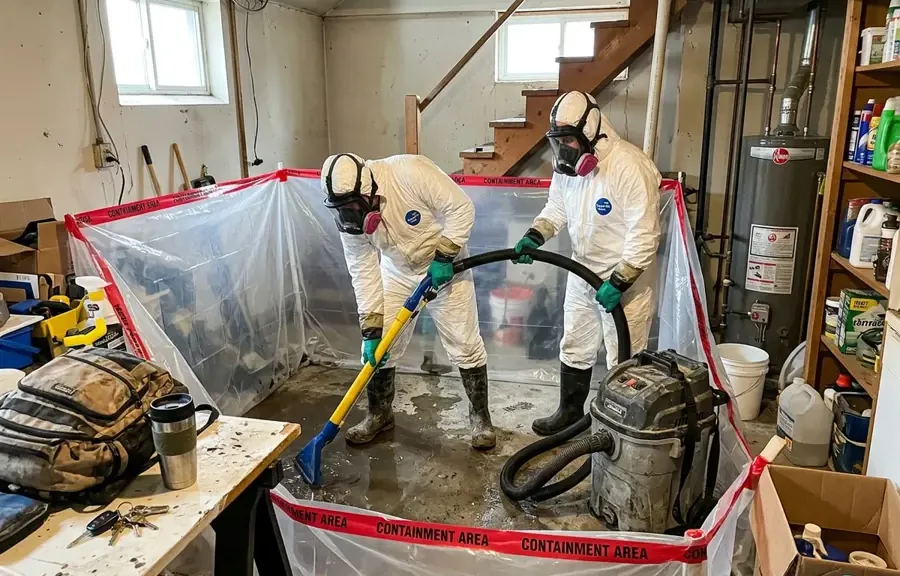
How sewer backup cleanup is handled in Farmington
The restoration specialist records the wet boundary before selecting equipment. Daily material readings and room conditions determine the next adjustment, with the final inspection checking concealed layers as well as exposed surfaces.
- 1
Define the contamination boundary
Inspection identifies discharge points, touched surfaces and paths used after the backup. The work area is organized to restrict exposure while the source problem receives appropriate attention.
- 2
Remove wastewater and affected layers
Extraction addresses accumulated sewage while damaged porous materials are assessed for disposal. Handling and movement through the property are planned around keeping contamination within the designated work route.
- 3
Clean the accessible retained assembly
Suitable surfaces receive cleaning appropriate to sewage exposure. Opened floor and wall areas are inspected so hidden contact points are included before the space moves to controlled drying.
- 4
Document conditions for rebuilding
The record identifies removed materials, cleaning work and moisture findings for the retained assembly. It also distinguishes unfinished drainage repairs from interior finish replacement needed after cleanup is complete.
A sewage backup requires more than making the floor look clean. Wastewater can enter porous finishes and spread on footwear or moved belongings. Establishing the affected boundary helps keep other rooms usable while the contaminated area is assessed. Fixtures connected to the problem should remain out of use until the drainage condition has been evaluated.
First steps for sewer backup cleanup in Farmington
- 1
Stop using affected fixtures
Further flushing or draining can add wastewater to an existing backup. The occupants should describe which fixtures are involved and avoid testing them repeatedly before the drainage assessment.
- 2
Separate people from exposed areas
Rooms containing sewage should remain outside ordinary household traffic. Footwear, pets and carried belongings can move contamination, so the initial access plan needs a clear clean boundary.
- 3
Coordinate the drainage diagnosis
The appropriate plumbing or utility contact should evaluate the backup source. Cleanup scheduling depends on controlling further discharge and establishing which portions of the affected system can be used.
- 4
Record contents without unnecessary handling
Photographs from a safe position can document exposed belongings and finishes. Sorting contaminated porous items is part of the protected cleanup work, rather than an ordinary household moving task.
What does sewer backup cleanup cost in Farmington, MN?
Farmington sewage cleanup planning spans $2,000 to $9,000+. The extent of contaminated finishes and protected material handling drives the scope. Estimates should identify wastewater removal, cleaning and drying separately from drain repairs and replacement finishes.
Contained hard-surface loss
- Limited contact area
- Accessible retained surfaces
- Focused cleaning work
Finished-room contamination
- Porous material removal
- Protected contents handling
- Exposed cavity cleaning
Broad contaminated spread
- Multiple affected rooms
- Expanded disposal needs
- Documented drying zones
These planning ranges are not a quote. Water category, affected square footage, material class and the delay before drying all influence the scope. Compare the inputs in the water damage cost calculator for a closer range.
The wastewater route has its own system
Metropolitan Council Environmental Services provides city sewage services, with local treatment in the City of Empire. The collection system includes pipes, manholes and lift stations. For a property in Downtown or near the Dakota County Fairgrounds, the immediate task is identifying the indoor discharge and affected rooms. The Industrial Park storm drainage study concerns a separate stormwater issue.
- Report which fixture discharged and whether water use preceded the backup.
- Avoid carrying contaminated rugs or boxes into otherwise unaffected rooms.
- Keep children and pets outside the wastewater cleanup boundary.
Decide what can be cleaned in place
Hard surfaces and absorbent materials respond differently to sewage contact. Cleaning suitable retained surfaces requires access, while heavily contaminated porous layers may need removal. The scope should identify carpet, pad, wallboard or contents requiring protected disposal and explain how the exposed assembly will be cleaned before drying begins.
- Record damaged belongings before their condition is altered by removal.
- Inspect wall bases and floor joints reached by the discharge.
- Separate cleaning equipment routes from ordinary movement through occupied spaces.
Drain repair and room recovery meet at the handoff
A cleared drain is a source milestone. The room still needs documented cleaning, removal decisions and moisture checks. If retained framing or floor layers are wet, structural drying follows the cleaning stage. Completion notes should distinguish the restored drainage function from the condition of the room and any finish repairs remaining.
Sewer backup cleanup across Farmington and nearby towns
Wastewater cleanup planning reaches properties around Downtown, County Road 31 and the Dakota County Fairgrounds. Reports should identify the discharging fixture, affected surfaces and whether other drains are also backing up.
The same service nearby: sewer backup cleanup in Hastings, Cannon Falls, Prescott.
Related water damage services in Farmington

Sewer Backup Cleanup questions in Farmington, MN
Can household fans be used around sewage?
Ordinary airflow can move contamination beyond the affected surface. Access control and a protected cleanup plan should come first, with equipment selected for the conditions inside the wastewater area.
Does clear looking drain water need caution?
Clear-looking wastewater still needs contamination controls during cleanup. A discharge from the sanitary drainage system needs source assessment and handling appropriate to potential wastewater contamination throughout the affected room.
Can a soaked rug stay in use?
Porous belongings exposed to sewage require a careful retention decision. Their construction, contamination and cleaning feasibility matter, and ordinary surface washing may leave inaccessible material inside the item.
Who checks the underlying drain problem?
A suitable plumbing or utility provider assesses the drainage fault. The cleanup scope should name that separate responsibility so further discharge is controlled while the room is restored.
Why remove baseboards after a small backup?
Wastewater may reach behind trim or wick into wallboard at the floor edge. Selective removal can reveal that contact and provide access for cleaning the remaining assembly.
When can the room return to use?
Reoccupation depends on completed cleaning, removal and drying work, together with safe building conditions. A completion discussion should identify remaining repairs and any restrictions that still apply.
Reclaim the affected indoor space
A Farmington sewage cleanup assessment can establish the handling, removal and drying scope. Report the fixture involved and rooms reached so the discussion addresses both ongoing discharge and interior recovery.
(888) 432-4933Plan the sewage recovery work- Hastings, MN · Dakota County
- (888) 432-4933, open 24/7
- Dried to the IICRC S500 standard
- Find us on Google