Emergency Water Extraction in Farmington
The fastest visible change after a water release comes from removing the puddle, but useful extraction reaches beyond open floor space. Farmington water removal accounts for thresholds, absorbent layers and the route equipment needs through the building.
(888) 432-4933Describe the standing water area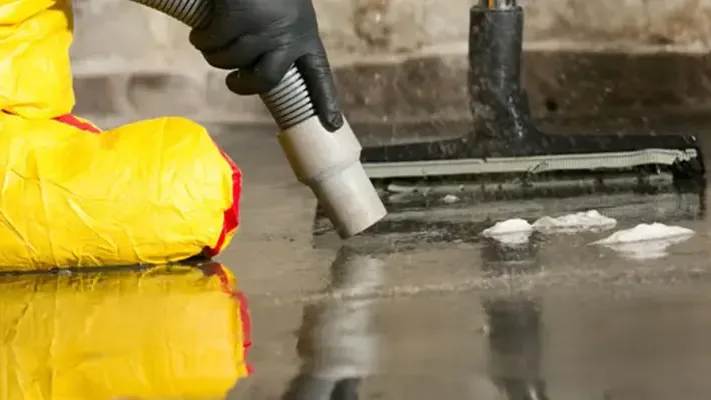
How emergency water extraction is handled in Farmington
The restoration specialist records the wet boundary before selecting equipment. Daily material readings and room conditions determine the next adjustment, with the final inspection checking concealed layers as well as exposed surfaces.
- 1
Assess depth and contact
The removal plan begins with the water source, receiving materials and access conditions. Contamination and electrical concerns determine how the affected work area should be approached and isolated.
- 2
Position the removal equipment
Equipment selection follows the accessible water volume and floor finish. The working route accounts for hoses, stairs and occupied areas so movement around the extraction zone remains controlled.
- 3
Reach the concealed collection points
As visible pools shrink, attention shifts beneath movable contents and across floor transitions. Inspection identifies absorbent layers or inaccessible areas that require additional treatment or selective removal.
- 4
Document what extraction leaves behind
The completion record distinguishes removed liquid from moisture still held in materials. Those findings establish the next cleaning or drying scope and explain why equipment may remain after pumping.
Standing water is easier to see than the moisture it leaves under a finished floor. Extraction starts with the accessible liquid, then addresses suitable coverings and collection points beneath movable contents. The operator needs to understand both the water condition and the receiving surface before choosing equipment or moving water through occupied portions of the property.
First steps for emergency water extraction in Farmington
- 1
State the affected surface
A description of carpet, tile, exposed concrete or wood helps establish the removal assessment. The visible water boundary and any active inflow are useful details for the initial discussion.
- 2
Keep electrical exposure separate
Standing water around outlets, powered equipment or electrical panels requires a safety assessment. A dry doorway may provide enough visibility to report the situation without entering the affected room.
- 3
Identify equipment entry restrictions
An owner or manager should mention stairs, controlled doors and occupied common spaces. These details help define a route for removal equipment before wet contents are moved through the building.
- 4
Preserve the original condition
Photographs of the visible water, room boundaries and affected belongings can support the damage record. Documentation should take place only where the floor and overhead conditions permit safe access.
What does emergency water extraction cost in Farmington, MN?
Water extraction in Farmington has planning ranges from $800 to $3,500+. Depth, access and the number of connected rooms influence removal work. A written estimate should explain whether material removal and subsequent drying are included or priced as additional stages.
Accessible floor water
- Open equipment route
- Localized surface removal
- Basic moisture assessment
Several connected rooms
- Multiple floor surfaces
- Threshold water tracking
- Additional contents movement
Deep or difficult access
- Complex equipment placement
- Restricted entry coordination
- Broader removal effort
These planning ranges are not a quote. Water category, affected square footage, material class and the delay before drying all influence the scope. Compare the inputs in the water damage cost calculator for a closer range.
Different floors need different removal decisions
The Rye Apartments project specifies wood framed residential levels above a concrete underground garage. Those assemblies illustrate why the floor location matters in a removal call. Wood layers, concrete and floor coverings require different inspection and drying decisions. In Downtown or along Denmark Avenue, the property assessment should identify the actual wet construction before the removal scope is finalized.
- Describe whether water is above, below or within a finished floor.
- Identify doors and thresholds separating the visible pools from adjoining rooms.
- Note heavy contents that prevent equipment reaching the wet surface.
Equipment access is part of the work
A narrow stair, a managed entrance or a cluttered utility room can shape the extraction route. The plan should keep clean spaces usable where possible and prevent people crossing wet hoses or contaminated areas. Water beneath furnishings may need separate access, and suitable contents may need temporary relocation before the full floor can be assessed.
- Coordinate locked doors and common area access with property management.
- Keep unaffected possessions clear of the planned equipment travel path.
- Record hidden collection areas found as movable contents are repositioned.
A clear floor is ready for the next assessment
Once surface water is removed, moisture checks can identify retained water inside wall bases and floor layers. Structural drying addresses that remaining load. Extraction records should describe the treated surfaces and any area still inaccessible, giving the owner a useful explanation of what has changed and what work remains before repairs.
Emergency water extraction across Farmington and nearby towns
Removal planning includes managed buildings and houses around Downtown, Denmark Avenue and Pilot Knob. The affected floor, entry permissions and route from the doorway to standing water shape equipment access.
The same service nearby: emergency water extraction in Hastings, Cannon Falls, Prescott.
Related water damage services in Farmington
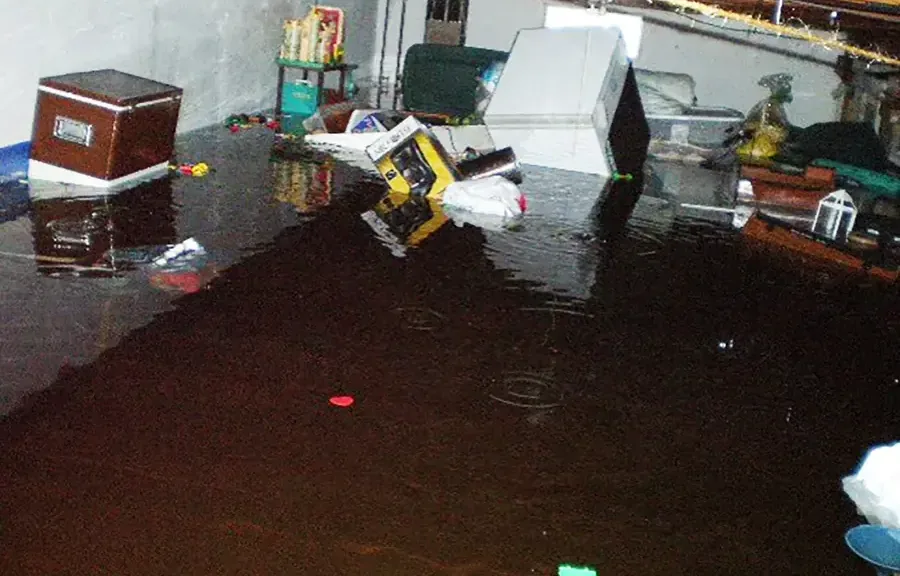
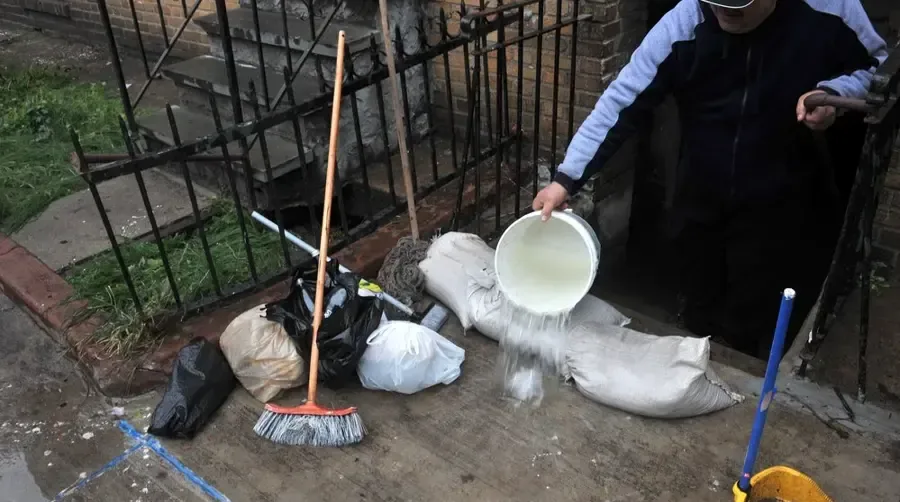
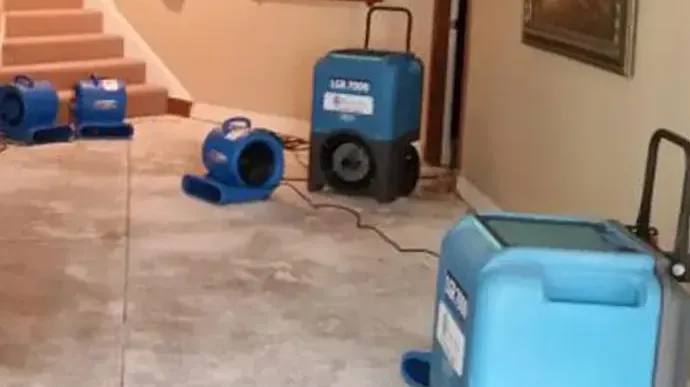
Emergency Water Extraction questions in Farmington, MN
Is extraction useful when the water looks shallow?
A shallow pool can still soak floor coverings and wall bases. Removing accessible water reduces the amount available to spread while inspection determines what has entered underlying building materials.
Can water be removed from carpet without removing it?
Some coverings can receive extraction in place, but contamination, backing condition and wet padding affect retention. The assessment must consider the complete floor assembly before deciding which layers remain.
What if the water is in underground parking?
The building manager should coordinate access and identify drainage and electrical concerns. Concrete surfaces still need source assessment, removal and inspection of adjoining rooms or assemblies reached by the water.
Does every extraction job need dehumidification afterward?
The remaining moisture load determines drying needs. A floor that looks clear can have wet underlying layers, so material and indoor condition measurements help establish whether additional equipment is appropriate.
Should heavy furniture be moved before equipment arrives?
Only safe movement should be considered. Large wet furnishings can conceal damage and create handling hazards. The removal assessment can identify which items need relocation and how their condition should be recorded.
How is extraction progress documented?
Useful records identify treated rooms, water contact surfaces and inaccessible areas. Photographs and follow up moisture findings connect the visible water removal to the cleaning and drying work still needed.
Move from puddles to material checks
Farmington water extraction begins with the source, spread and safe access. Describe the rooms, their floor surfaces and any entry restrictions so the removal discussion can address the actual space.
(888) 432-4933Discuss the water removal route- Hastings, MN · Dakota County
- (888) 432-4933, open 24/7
- Dried to the IICRC S500 standard
- Find us on Google