Oak Park Heights Structural Drying
The room may look clear after extraction while its framing or subfloor still holds water. Structural drying in Oak Park Heights focuses on those retained materials, using measurements and a controlled setup to assess progress before repairs conceal them.
(888) 432-4933Discuss the materials still holding moisture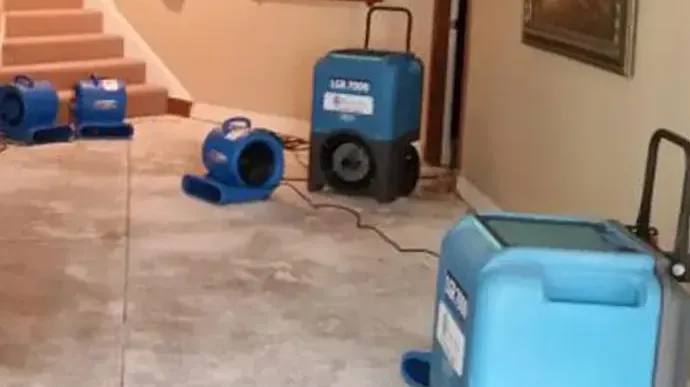
How structural drying is handled in Oak Park Heights
The restoration specialist records the wet boundary before selecting equipment. Daily material readings and room conditions determine the next adjustment, with the final inspection checking concealed layers as well as exposed surfaces.
- 1
Establish a material baseline
Map wet assemblies and select measurement points that can be revisited. Identify suitable reference conditions and explain the drying targets for the retained materials before equipment starts.
- 2
Prepare the drying space
Complete necessary removal and cleaning, then expose required access points. Arrange air movement and dehumidification around the wet footprint while maintaining the safe paths needed for occupants and ongoing inspection work.
- 3
Read and adjust the setup
Compare repeat measurements across the affected materials. A location that responds slowly may need revised access or equipment placement, so adjustments follow the assembly's condition rather than a fixed equipment arrangement.
- 4
Document the reconstruction handoff
Check final readings against the established targets and list remaining tasks. Provide a clear account of retained materials and drying results before new finishes conceal the areas used to assess progress .
Drying is a measurement problem as much as an equipment task. A fan may move air across the room while a concealed subfloor edge remains wet. The work begins by identifying the affected assemblies and deciding how their moisture condition can be checked. Suitable comparison areas and material targets help determine whether the setup is producing the recovery needed before reconstruction.
First steps for structural drying in Oak Park Heights
- 1
Explain the earlier water event
Describe the source, affected rooms and any extraction or cleaning completed. That history helps the assessment distinguish retained moisture from continuing water entry needing source control.
- 2
Keep monitored materials accessible
Avoid replacing trim, closing cavities or covering damp flooring before the drying check. Access to retained materials allows meaningful readings and helps identify wet areas that equipment cannot reach in the current setup.
- 3
Protect equipment access routes
Keep planned walkways clear of stored belongings and report any difficulty using occupied rooms. Equipment placement should support the drying work while allowing the safe access established for the usable parts of the property.
- 4
Report changes during operation
Mention new dripping, water entry or equipment interruptions during the project. Updated information helps interpret the readings and determine whether the drying arrangement or source correction needs further attention before repairs.
What does structural drying cost in Oak Park Heights, MN?
Structural drying costs in Oak Park Heights depend on the affected assemblies, access and equipment requirements. Dense materials or concealed wet areas can need more monitoring and opening work than an exposed, limited drying zone with straightforward access to the retained surfaces.
Contained drying zone
- Localized retained material assessment
- Focused airflow equipment arrangement
- Repeat accessible surface readings
Several wet assemblies
- Connected wall and floor checks
- Broader moisture control setup
- Multiple monitoring locations
Dense or concealed materials
- Additional inspection access needs
- Slow response material check
- Adjusted drying equipment placement
These planning ranges are not a quote. Water category, affected square footage, material class and the delay before drying all influence the scope. Compare the inputs in the water damage cost calculator for a closer range.
Identify what remains suitable for drying
Historic bluff homes overlooked Lake St. Croix, while the Highway 36 corridor includes businesses and eating places. Those settings contain different room uses and access requirements. At the affected property, retained framing, flooring and wall materials need their own assessment. Materials damaged beyond practical retention or affected by contamination may require removal before a drying arrangement can reach the remaining structure.
- Check retained materials after necessary water removal and cleaning.
- Identify cavities that block inspection or effective air movement.
- Record the starting condition at repeatable measurement locations.
Arrange equipment around the wet assembly
For a property described near Stillwater Overlook, the useful planning details are inside the building: stairs, occupied rooms, open cavities and floor layers. Air movement supports evaporation, while dehumidification manages moisture in the drying space. Equipment placement should account for the accessible wet surfaces and safe routes, with adjustments when measurements show that part of the assembly is responding slowly.
- Keep necessary access points available during the drying phase.
- Avoid relocating equipment without discussing the drying plan.
- Report new leaks that change the original moisture footprint.
Use the final readings to support reconstruction
A room's appearance and the sound of operating equipment cannot replace material checks. Repeat readings document whether retained assemblies have reached the established targets. Slow areas may need another inspection, different access or a revised setup. The handoff should identify the drying result and any remaining work before wallboard, floor coverings or trim conceal locations that were part of the monitored water damage.
Structural drying across Oak Park Heights and nearby towns
Structural drying serves wet building assemblies in Oak Park Heights homes and businesses. Describe the original water source, completed removal work and any walls or flooring that remain damp or unopened.
The same service nearby: structural drying in Hastings, Prescott, Farmington.
Water damage restoration in Oak Park Heights · every town covered
Related water damage services in Oak Park Heights
Structural Drying questions in Oak Park Heights, MN
Why is a clear floor still checked for moisture?
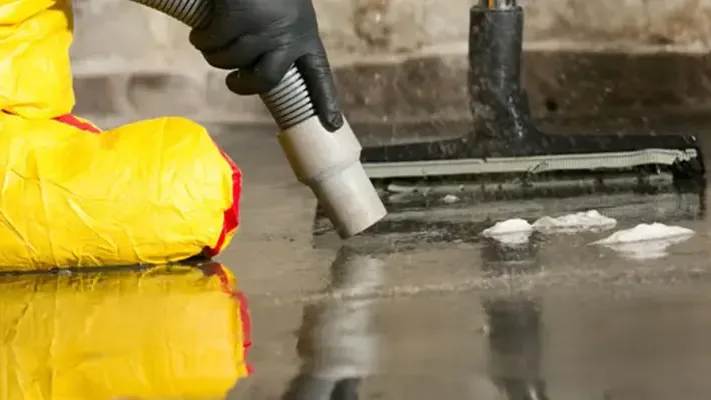
Extraction removes accessible water, while flooring and underlying materials may retain absorbed moisture. Readings at affected assemblies help identify what still requires drying even when the walking surface no longer looks wet.
Does more equipment always improve drying?
Equipment should match the wet materials, available access and conditions in the drying space. Measurements show how the setup is working and whether placement or another part of the plan needs adjustment.
Can a closed wall be dried effectively?
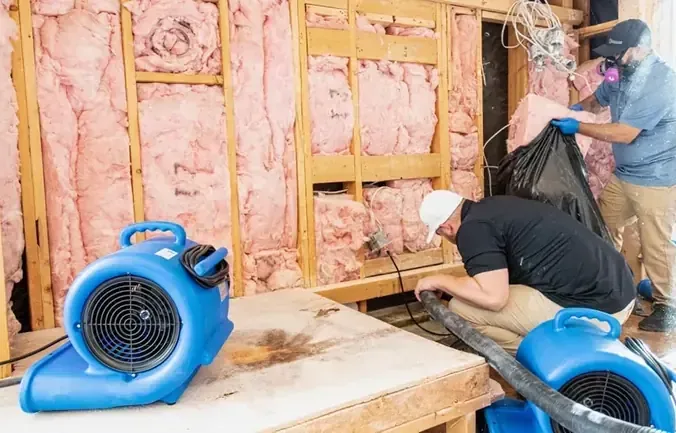
The assembly needs assessment to determine whether retained moisture can be reached and monitored. Some situations require selective opening or material removal before suitable framing and other surfaces can enter an effective drying phase.
Should occupants move a noisy air mover?
Discuss equipment changes with the person managing the drying plan. Placement affects the intended airflow, and moving equipment without coordination can leave part of the wet assembly receiving less attention than the readings require.
What if one area stays wet longer?
A slow response calls for inspection of access, material type and possible continued wetting. The plan may need adjustment so that location can progress toward its target instead of being hidden during early reconstruction.
What records show drying completion?
The useful record connects final material readings with the targets established for the job. It should also identify remaining repairs or inaccessible areas so the reconstruction handoff reflects the actual condition of the affected structure.
Prepare the wet structure for its next finish
A measured plan connects equipment placement with material response. Discuss the retained framing, floors and cavities so final checks can support repair decisions before those surfaces are covered again.
(888) 432-4933Discuss measured drying for retained materials- Hastings, MN · Dakota County
- (888) 432-4933, open 24/7
- Dried to the IICRC S500 standard
- Find us on Google