Oak Park Heights Foundation Seepage Cleanup
A damp strip beside a basement wall can be easy to overlook until trim or stored boxes become wet. Foundation seepage cleanup in Oak Park Heights examines that perimeter closely and separates interior damage recovery from correction of the entry.
(888) 432-4933Discuss dampness along the foundation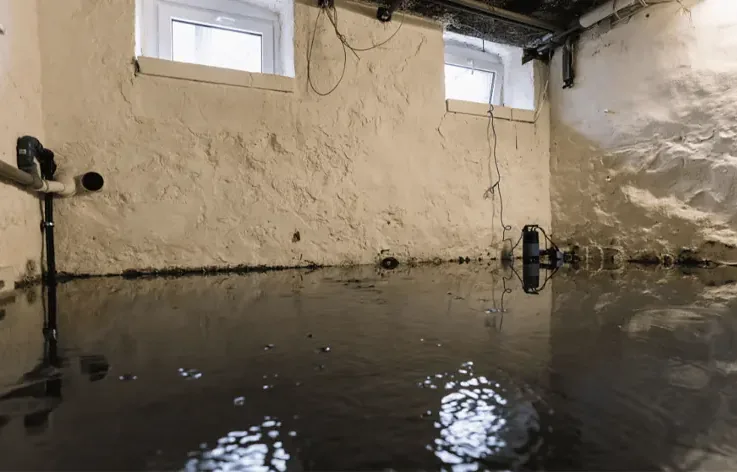
How foundation seepage cleanup is handled in Oak Park Heights
The restoration specialist records the wet boundary before selecting equipment. Daily material readings and room conditions determine the next adjustment, with the final inspection checking concealed layers as well as exposed surfaces.
- 1
Trace the perimeter pattern
Document damp sections, adjoining floor materials and affected storage. Identify where finishes conceal the assembly and where continued entry could interfere with interior removal or drying work.
- 2
Assess access and retention
Determine which finishes need opening and which materials can remain. Record the reasons for removal, especially where damp insulation or deteriorated wallboard prevents access to retained framing.
- 3
Coordinate entry and cleanup
Separate the exterior or foundation correction from interior recovery tasks. Remove accessible water, clean as needed and arrange drying around the surfaces actually reached by the seepage.
- 4
Recheck the vulnerable edges
Repeat measurements at the recorded perimeter locations and inspect for renewed wetting. Document the remaining work before trim, storage and finishes cover areas that still need access.
Seepage often draws attention through a narrow wet edge instead of a room filled with water. That pattern deserves a close inspection of the wall and floor junction, nearby finishes and anything stored against the perimeter. A small visible area may connect to moisture behind a finished wall, so the scope should follow the damp assembly rather than only the exposed strip.
First steps for foundation seepage cleanup in Oak Park Heights
- 1
Mark the visible damp areas
Photograph wall edges, corners and nearby storage from dry ground. Note where wetting begins and ends so the inspection can compare separate perimeter sections rather than one general room description.
- 2
Protect belongings from contact
Move dry, manageable items away from damp walls when safe. Leave damaged heavy shelving for planned handling, especially when moving it could hide or spread the existing water contact.
- 3
Describe any repeated wetting
Explain whether moisture disappears and returns or stays continuously visible. These observations help coordinate the interior cleanup work with assessment of the building opening or pathway admitting water.
- 4
Keep finishes accessible
Avoid replacing trim or covering damp surfaces before inspection. Access to the affected assembly helps determine whether material removal, source correction and drying are required behind the visible wall finish.
What does foundation seepage cleanup cost in Oak Park Heights, MN?
Foundation seepage cleanup in Oak Park Heights is shaped by the length of affected perimeter, concealed finish damage and repeated wetting. These ranges concern interior recovery; a separate entry correction may be necessary to keep the same materials from becoming wet again.
Exposed perimeter wetting
- Accessible damp surface assessment
- Localized water removal work
- Focused perimeter drying
Finished-wall involvement
- Selective finish opening work
- Concealed insulation condition checks
- Retained framing moisture monitoring
Repeated broad seepage
- Expanded wet perimeter scope
- Additional contents handling needs
- Source correction coordination
These planning ranges are not a quote. Water category, affected square footage, material class and the delay before drying all influence the scope. Compare the inputs in the water damage cost calculator for a closer range.
Record where the dampness returns
The Mill Street area belongs to the early development of Oak Park Heights, and historic bluff homes overlooked Lake St. Croix. A basement in either local setting needs an assessment of its present construction and wet surfaces. Notes about recurring locations help the inspection distinguish separate damp areas and identify where further access or source evaluation is needed.
- Photograph the affected edge before moving stored items.
- Note whether dampness continues around a room corner.
- Identify trim or wall coverings that conceal contact.
Expose enough of the assembly to make decisions
Saturated wallboard, damp insulation and wet framing do not all respond to the same treatment. Selective access may be needed to see what remains suitable for drying. A property near Lookout Trail should be described by its affected rooms and finishes during the cleanup discussion. The street location helps with access; the material condition determines the interior work.
- Move dry storage only where the route is safe.
- Keep damaged porous items separate from usable belongings.
- Record any water reappearing during the drying phase.
Address the entry while restoring the interior
Interior extraction and drying cannot replace a correction to the route water uses to enter. The plan should separate those responsibilities and describe how repeated wetting will be handled. Moisture readings at affected perimeter locations help track progress after source work. Before trim and wall finishes return, the retained assembly should meet the drying targets established for that property.
Foundation seepage cleanup across Oak Park Heights and nearby towns
Oak Park Heights seepage cleanup addresses affected basement interiors and perimeter finishes. Describe where dampness appears, whether it returns and what stored items or wall coverings block access to the area.
The same service nearby: foundation seepage cleanup in Hastings, Prescott, Farmington.
Water damage restoration in Oak Park Heights · every town covered
Related water damage services in Oak Park Heights
Foundation Seepage Cleanup questions in Oak Park Heights, MN
Can a narrow damp strip need professional cleanup?
It can involve more material than the exposed area suggests, especially behind finished walls. Inspection helps determine whether the dampness reached insulation, framing or stored items and what access is needed for drying.
Does drying correct the foundation entry?
Drying addresses moisture already inside the building. The route admitting water needs its own assessment and correction. The scope should distinguish those tasks so repeated entry does not undermine the interior recovery.
Should damp wallboard be painted over?
Covering a damp surface hides conditions that still need assessment. The underlying assembly should be inspected and necessary drying or removal completed before cosmetic work conceals the area or returns it to regular use.
Why record recurring wet locations?
A pattern helps identify which perimeter sections need closer inspection. It also provides a reference during drying, allowing new wetting to be distinguished from material that is simply taking longer to release retained moisture.
Can storage stay against the affected wall?
Storage can obstruct inspection and air movement. Suitable dry items may be relocated safely, while wet belongings need assessment. Keeping the perimeter accessible makes it easier to inspect the full extent of contact.
What happens before basement finishes return?
Retained materials receive moisture checks and the entry problem is addressed. The cleanup handoff should identify completed drying and any unfinished corrections before new wall coverings or trim close the affected perimeter assembly.
Make the hidden wall condition visible
Interior cleanup works best when entry correction and drying are coordinated. Start with the affected wall edges, nearby storage and any finishes that prevent inspection of the materials behind them.
(888) 432-4933Discuss perimeter cleanup and drying- Hastings, MN · Dakota County
- (888) 432-4933, open 24/7
- Dried to the IICRC S500 standard
- Find us on Google