Oak Park Heights Emergency Water Extraction
Standing water hides floor transitions, damaged belongings and the edges of a loss. Extraction in Oak Park Heights removes that immediate obstacle, then checks where water has passed into materials that a surface pickup cannot fully reach.
(888) 432-4933Discuss extracting the accumulated water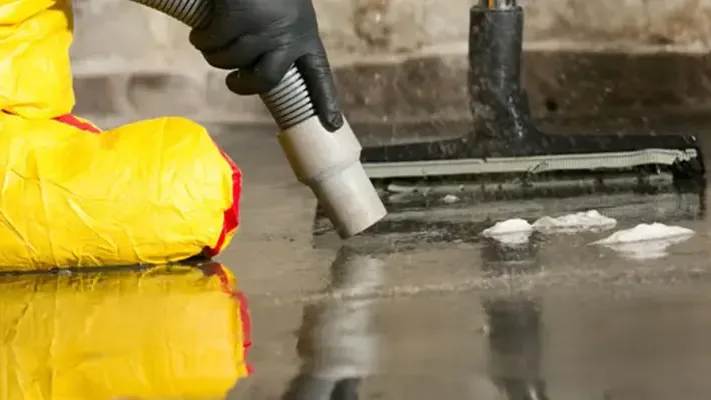
How emergency water extraction is handled in Oak Park Heights
The restoration specialist records the wet boundary before selecting equipment. Daily material readings and room conditions determine the next adjustment, with the final inspection checking concealed layers as well as exposed surfaces.
- 1
Assess water and access
Identify the release type and inspect the safest equipment route. Document standing water, affected contents and floor materials before removal changes the visible conditions in the building.
- 2
Organize the removal zone
Move suitable contents as needed and establish hose paths. Coordinate shared entrances or occupied rooms so extraction can proceed with a defined work area and clear access.
- 3
Extract by affected surface
Remove accessible liquid using equipment suited to the conditions. Work across the recorded footprint, including floor edges and transitions where water can remain after the central area clears.
- 4
Determine remaining material work
Check moisture in adjoining and underlying surfaces. Explain which areas need drying, cleaning or removal so the next stage addresses retained water beyond the completed surface extraction.
Extraction is a practical turning point: once standing water is removed, the floor and surrounding materials can be inspected more clearly. The choice of equipment depends on water depth, access, contamination and the surface being treated. A shallow spread beneath furniture can require careful movement and repeated passes, while deeper accumulation presents a different removal problem before detailed material checks can begin.
First steps for emergency water extraction in Oak Park Heights
- 1
Keep the approach clear
Avoid walking through water when electrical hazards or floor stability are uncertain. Identify a dry entrance so the assessment can begin without unnecessary movement through affected rooms.
- 2
Identify active water entry
Describe whether a supply is still leaking or outside water is continuing to enter. Ongoing flow changes how removal and source control must be coordinated at the property.
- 3
List connected wet spaces
Note the rooms, hallways and closets reached by water. Include shared areas in an apartment building so access can be arranged before equipment setup begins inside.
- 4
Preserve the visible record
Take photographs from safe positions and keep a brief contents list. Removal alters the water boundary, making early images useful for explaining what happened and what was affected.
What does emergency water extraction cost in Oak Park Heights, MN?
Water extraction costs in Oak Park Heights reflect the amount of accessible water, the floor surfaces involved and equipment access. These ranges cover removal planning; concealed wet materials or contamination may add cleaning, selective removal and drying requirements afterward.
Accessible floor water
- Open room extraction access
- Limited floor surface spread
- Initial wet boundary check
Several connected rooms
- Multiple floor covering types
- Expanded hose routing needs
- Adjoining space moisture checks
Deep or difficult access
- More demanding removal setup
- Restricted equipment entry route
- Larger accumulated water volume
These planning ranges are not a quote. Water category, affected square footage, material class and the delay before drying all influence the scope. Compare the inputs in the water damage cost calculator for a closer range.
Map connected spaces before equipment enters
Apartment development on the former Krueger’s Christmas Tree Farm property is part of Oak Park Heights. In a shared building, a water removal plan needs the actual unit layout and access to any affected common space. Management coordination matters when water moves through a doorway or into a neighboring room that cannot be inspected from the original unit.
- Describe stairs and narrow access routes for equipment planning.
- Identify floor coverings throughout the connected wet area.
- Report water reaching adjoining units or shared corridors.
Clear the visible water without losing the boundaries
Businesses along Highway 36 and around St. Croix Mall have their own access and occupancy needs. The wet footprint should be recorded before extraction changes its appearance. Photos and room notes help preserve where the water stood, which contents were affected and what still needs inspection after surface liquid has been removed from the property.
- Record the farthest visible water edge before pickup.
- Separate clean access routes from contaminated affected surfaces.
- Check thresholds where water disappears under another finish.
Let measurements define the next stage
A dry looking floor may still have moisture beneath it. After extraction, checks at seams, wall bases and connected assemblies determine the remaining scope. Some materials need selective removal; others may be suitable for drying in place. That assessment turns a water removal visit into a clear recovery plan rather than leaving hidden wet areas behind.
Emergency water extraction across Oak Park Heights and nearby towns
Water removal is available for affected Oak Park Heights interiors, from individual rooms to connected property spaces. Describe floor coverings, stairs and any access restrictions when discussing the extraction setup.
The same service nearby: emergency water extraction in Hastings, Prescott, Farmington.
Water damage restoration in Oak Park Heights · every town covered
Related water damage services in Oak Park Heights
Emergency Water Extraction questions in Oak Park Heights, MN
Is extraction the entire restoration job?
Extraction removes accessible liquid. Materials that absorbed water can still require cleaning, opening or drying afterward. A post extraction assessment identifies those needs and explains what remains before the property is ready for repairs.
Can water stay beneath a hard floor?
Water can reach seams, perimeter gaps and underlying layers. Material readings reveal the moisture condition beneath the visible floor. Material checks help decide whether drying in place or additional access is appropriate.
Should furniture be moved before extraction?
Dry, manageable items can be relocated along a safe route. Heavy saturated furniture or contaminated contents need planned handling. The removal setup should account for belongings without creating additional hazards or spreading affected material.
Does an apartment need adjoining space access?
It may, when water passes beyond the original room or unit. Notify management about the visible spread so the necessary access can be coordinated and neighboring wet areas are included in the inspection.
How does the water source affect removal?
Sewage or outside water changes handling and cleaning requirements. The source should be described before work begins so equipment use, access control and subsequent material decisions reflect the type of contact involved.
What should the completion record explain?
It should distinguish the water removed from the moisture still present in materials. A clear handoff lists affected surfaces needing further work and the proposed cleaning or drying steps after extraction is finished.
Reveal the surfaces beneath the standing water
Removing accessible water makes the remaining damage easier to assess. Pair extraction with material checks so wet edges, adjoining rooms and concealed floor layers receive the attention they need.
(888) 432-4933Discuss extraction across the wet rooms- Hastings, MN · Dakota County
- (888) 432-4933, open 24/7
- Dried to the IICRC S500 standard
- Find us on Google