Red Wing Water Heater Leak Cleanup
A leaking heater can wet the back of a closet long before water reaches the doorway. Red Wing tank leak cleanup checks the equipment area and neighboring finishes, with replacement work coordinated so concealed moisture is addressed before access becomes restricted again.
(888) 432-4933Discuss water around the heater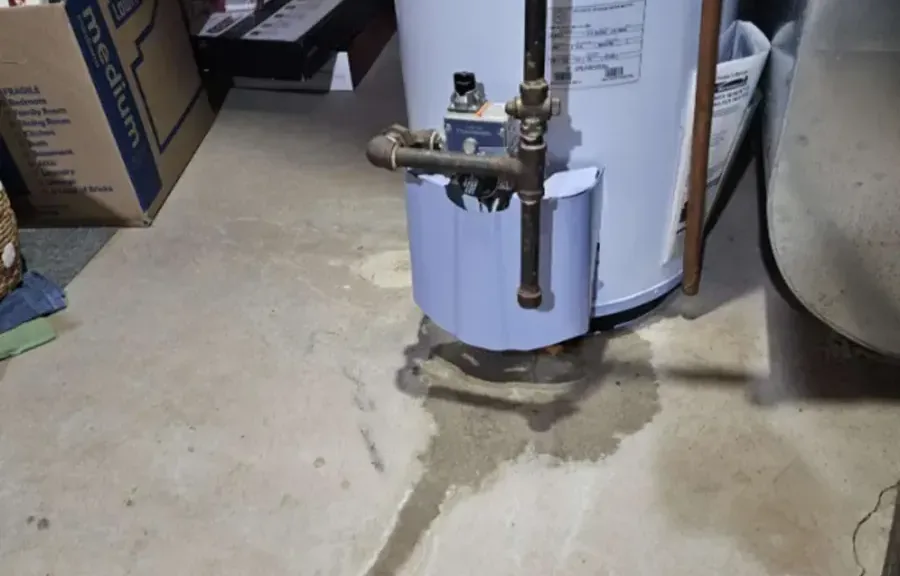
How water heater leak cleanup is handled in Red Wing
The restoration specialist records the wet boundary before selecting equipment. Daily material readings and room conditions determine the next adjustment, with the final inspection checking concealed layers as well as exposed surfaces.
- 1
Coordinate safe equipment attention
Equipment service and restoration are coordinated so the surfaces behind the heater remain accessible for inspection during replacement.
- 2
Remove water around the installation
Extraction clears accessible liquid while the surrounding finish condition is recorded. Inspection follows thresholds and utility room edges to identify spread into spaces beyond the immediate equipment footprint.
- 3
Assess newly exposed surfaces
When equipment access improves, backing and flooring receive closer checks. Removal and drying decisions follow material condition, with retained construction treated before a replacement installation restricts the work area again.
- 4
Explain the completed room scope
The handoff connects the drying outcome with equipment service status and remaining finish repairs. Permit related installation work stays distinct from restoration charges while both tasks remain visible in the recovery record.
A water heater occupies floor space that can be difficult to inspect after a leak. Moisture may remain behind its base, beside nearby trim or beneath a utility closet threshold. In Red Wing, installation or replacement of a water heater requires a permit. Coordinating that equipment work with interior cleanup helps keep damaged surfaces accessible while the source is repaired and the surrounding materials are assessed.
First steps for water heater leak cleanup in Red Wing
- 1
Stay clear of wet heater controls
A leaking heater may involve hot water and powered equipment. Keep occupants away and arrange appropriate service instead of handling controls while standing on a damp utility floor.
- 2
Describe the enclosure and access
Report whether walls closely surround the tank or whether the floor is open. That distinction helps coordinate equipment work with the ability to inspect and dry surfaces hidden behind the unit.
- 3
Locate water beyond the utility space
From a safe position, note damp thresholds, wall trim or adjoining flooring. Those details help prevent the inspection from ending at the tank even when the largest puddle remains nearby.
- 4
Keep replacement and cleanup records together
Save photographs of the original leak and the equipment service paperwork. A connected record helps explain which work repaired the source and which work restored the room around the heater.
What does water heater leak cleanup cost in Red Wing, MN?
Water heater leak cleanup costs in Red Wing depend on enclosure access and spread into adjacent finishes. Equipment service and replacement should be separated from interior restoration charges, with the scope explaining concealed moisture assessment, material removal and drying around the installation.
Open utility floor
- Accessible puddle removal
- Nearby surface inspection
- Limited drying placement
Closet and wall wetting
- Enclosed material access
- Wet trim evaluation
- Equipment move coordination
Spread into living space
- Adjoining floor assessment
- Connected wall checks
- Expanded drying boundary
These planning ranges are not a quote. Water category, affected square footage, material class and the delay before drying all influence the scope. Compare the inputs in the water damage cost calculator for a closer range.
Inspect what the tank conceals
At a property near Frazier Street, the important details include the heater location, surrounding wall finish and any water that entered an adjoining room. The visible puddle may be easy to remove while a wall base behind the equipment stays wet. A service technician handles safe equipment isolation, and the cleanup scope follows the escaped water.
- Describe water beside the tank without touching wet equipment controls.
- Check the doorway for spread into carpet or wood flooring.
- Preserve access to wall bottoms during removal of the old unit.
Use the replacement interval for material assessment
If equipment must be moved, the newly exposed space can reveal damage that was hidden. Near Bay Point Park, a closet assessment should examine the backing and floor assembly before replacement equipment blocks access. Materials that are swollen, deteriorated or inaccessible to drying need a clear decision, while sound retained surfaces can be treated through an appropriate drying arrangement.
Complete both the equipment and room recovery
The city uses Cloudpermit for building permit applications and inspections. Those requirements belong with the installation work, while restoration records explain extraction, removed finishes and moisture conditions around the equipment. A new heater does not resolve water already held in nearby walls. The appliance leak page describes other equipment related interior losses, but the tank cleanup handoff should remain specific to the utility space. It should identify remaining source work, the condition of retained construction and any adjoining floor area still awaiting repair.
Water heater leak cleanup across Red Wing and nearby towns
At Red Wing properties around Levee Road, describe whether the heater sits in an open room or enclosed closet. Access behind the equipment and wet adjoining finishes shape the cleanup visit.
The same service nearby: water heater leak cleanup in Hastings, Cannon Falls, Prescott.
Related water damage services in Red Wing
Water Heater Leak Cleanup questions in Red Wing, MN
Does a new heater solve the wet closet problem?
Replacement addresses the equipment source. Water already held in walls or floor layers needs its own assessment and drying plan, preferably while access behind the old unit remains available.
Is a replacement permit required locally?
Red Wing requires permits for water heater installation or replacement. The installation contractor and owner should coordinate that work through the city's process alongside the separate interior cleanup schedule.
Why inspect the next room after a tank leak?
Water can pass through a doorway or under a partition into adjacent finishes. Checking those transitions helps establish the full affected area even when most visible water remains beside the heater.
Can equipment stay in place during drying?
That depends on safe access and the surfaces holding moisture. The cleanup and equipment service plans should identify whether movement is necessary to inspect backing or reach material that would otherwise remain concealed.
What if the utility floor looks dry?
A clear exposed floor does not describe moisture behind trim or under equipment. Readings and access checks help determine whether the surrounding assembly needs further treatment before the space is closed again.
Should permit paperwork stay with cleanup records?
Keeping installation documents, source photographs and drying notes together explains the full sequence. It also helps distinguish equipment replacement costs from the restoration and finish repair work caused by the leak.
Use equipment access to finish the cleanup
The area behind a heater deserves attention before another unit occupies it. Discuss hidden surfaces, adjoining flooring and drying needs so the replacement and room recovery can proceed in a practical sequence.
(888) 432-4933Arrange heater area cleanup assessment- Hastings, MN · Dakota County
- (888) 432-4933, open 24/7
- Dried to the IICRC S500 standard
- Find us on Google