Red Wing Emergency Water Extraction
The first visible improvement after a water loss is often a clear floor. Red Wing extraction work aims beyond that appearance, removing accessible water while identifying wet layers that need further treatment before normal use of the room resumes.
(888) 432-4933Discuss the water depth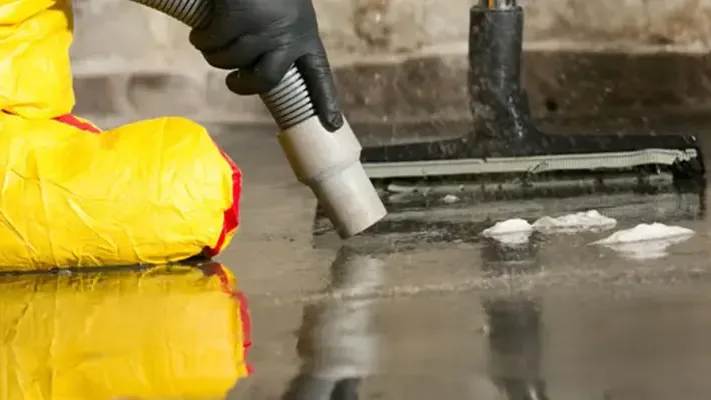
How emergency water extraction is handled in Red Wing
The restoration specialist records the wet boundary before selecting equipment. Daily material readings and room conditions determine the next adjustment, with the final inspection checking concealed layers as well as exposed surfaces.
- 1
Select the removal approach
The source and depth of water are assessed alongside floor materials and access. Those conditions determine the practical equipment arrangement and precautions needed around the affected interior.
- 2
Clear connected pockets
Extraction follows the room layout, checking low areas and obstructions that hold residual water. Movable belongings are handled according to exposure so the work can reach the underlying surfaces.
- 3
Inspect below the surface
Once standing water is gone, readings and material checks reveal moisture retained in floor layers and nearby wall bases. The remaining scope may include access openings or removal.
- 4
Define the drying handoff
The owner receives an explanation of the cleared area and the assemblies still holding moisture. The next phase is selected from those findings rather than the appearance of the walking surface.
Water removal equipment needs a usable route into the affected room and a plan for the liquid being collected. A deep accumulation, debris filled water and a shallow wet carpet present different conditions. In Red Wing, the first assessment should identify the source before selecting handling methods. Water from an indoor supply leak needs to be distinguished from Mississippi River floodwater that crossed an exterior opening.
First steps for emergency water extraction in Red Wing
- 1
Keep clear of hidden hazards
Standing water can conceal floor openings, sharp debris and energized equipment. The affected space needs an access assessment before anyone walks through it to move belongings or reach controls.
- 2
State whether water is still entering
An active source changes the removal plan. Describe a running pipe, rising drain or exterior inflow so the response can coordinate source control with the water already accumulated indoors.
- 3
Identify the floor finish
Carpet, wood and hard surfaces hold water differently at seams and backing layers. A description of the affected coverings helps prepare for extraction and the inspection that follows it.
- 4
Photograph the initial spread
Images from dry ground can record connected rooms and water height before the floor is cleared. Keep source repair invoices and notes with those photographs for later damage assessment.
What does emergency water extraction cost in Red Wing, MN?
Extraction costs in Red Wing vary with water volume, debris, room access and the surfaces requiring treatment. The estimate should identify removal separately from any subsequent drying or demolition, so a clear floor is not mistaken for a completed restoration scope.
Accessible floor water
- Reachable surface removal
- Limited hose routing
- Initial wet boundary
Several connected rooms
- Multiple floor transitions
- Furniture access planning
- Expanded extraction passes
Deep or difficult access
- Special handling conditions
- Debris affected water
- Restricted entry arrangements
These planning ranges are not a quote. Water category, affected square footage, material class and the delay before drying all influence the scope. Compare the inputs in the water damage cost calculator for a closer range.
Make the visible floor accessible
Furniture and stored contents can divide a wet area into pockets. At a property near Frazier Street, inspection should include the spaces behind those obstructions rather than stopping where the extraction tool travels easily. Clean access paths protect unaffected rooms as hoses, collected water and damaged materials move through the building.
- Identify low spots where water collects after an initial pass.
- Inspect thresholds that connect the wet room with adjoining floors.
- Evaluate coverings before deciding whether extraction alone can preserve them.
Keep a useful account of the source
The city offers a Sewer Usage Adjustment Request Form for water leaks when the excess water did not enter the sanitary sewer. A homeowner should retain repair records and a description of where the water went. These records support the city's assessment; cleanup documentation should accurately distinguish extracted indoor water from any drain discharge or outdoor flooding.
Continue where pumping stops
A floor near Levee Road may look clear after pumping while the subfloor or wall base remains wet. Readings and access checks determine whether additional extraction, material removal or drying is appropriate. Equipment should address the actual retained moisture, not merely run beside a dry surface. When several assemblies need monitoring, measured structural drying provides the next stage. The final extraction report should leave the owner with a clear description of what was removed and what still needs recovery.
Emergency water extraction across Red Wing and nearby towns
Red Wing extraction planning includes properties around Bay Point Park and other city locations. Mention access restrictions, the affected floor covering and whether water continues entering the building during the call.
The same service nearby: emergency water extraction in Hastings, Cannon Falls, Prescott.
Related water damage services in Red Wing
Emergency Water Extraction questions in Red Wing, MN
Is extraction the whole restoration job?
Extraction removes accessible liquid water. Cleaning, material decisions and drying may still be needed afterward, particularly when water reached absorbent finishes or concealed layers that cannot release their moisture through surface removal alone.
Can carpet be assessed before disposal?
Its exposure, backing and condition should be reviewed. Some coverings may be suitable for recovery, while contamination or damaged backing can require removal even when the visible surface looks better after extraction.
Why are wall bases checked during floor work?
Water can move from the floor into trim joints and wall materials. Those edges may remain damp after pumping, so their condition helps determine whether extraction should be followed by targeted access and drying.
Does the city offer a leak adjustment form?
A sewer usage adjustment request is available for leaks whose excess water stayed outside the sanitary sewer. Owners should keep source and repair records so the city can assess the request under its policy.
What if furniture blocks the water?
Access planning accounts for heavy or vulnerable belongings. Safe movement and exposure assessment should precede extraction behind them, with a clean path maintained so wet contents do not damage unaffected areas during handling.
How is remaining water identified after pumping?
Inspection checks low spots, seams and material moisture. A visible puddle may be gone while backing or subfloor layers remain wet, and those findings shape the drying or removal work still required.
Make room for the recovery stage
Removing standing water opens the way to inspect what it touched. Discuss the affected surfaces and source history so the next step addresses both the accessible liquid and moisture hidden underneath.
(888) 432-4933Arrange an extraction assessment- Hastings, MN · Dakota County
- (888) 432-4933, open 24/7
- Dried to the IICRC S500 standard
- Find us on Google