Oak Park Heights Basement Flood Cleanup
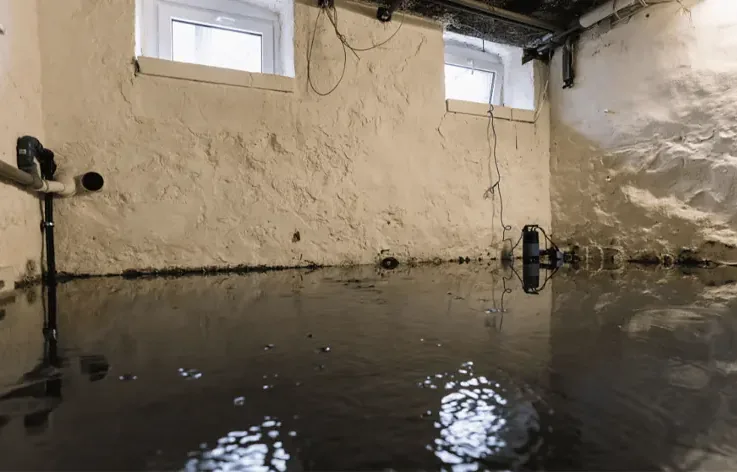
A basement full of water changes the first decision from saving belongings to finding a safe approach. Oak Park Heights cleanup considers the entry route, electrical exposure and wet finishes before removal equipment enters the lower level.
(888) 432-4933Discuss lower level water removal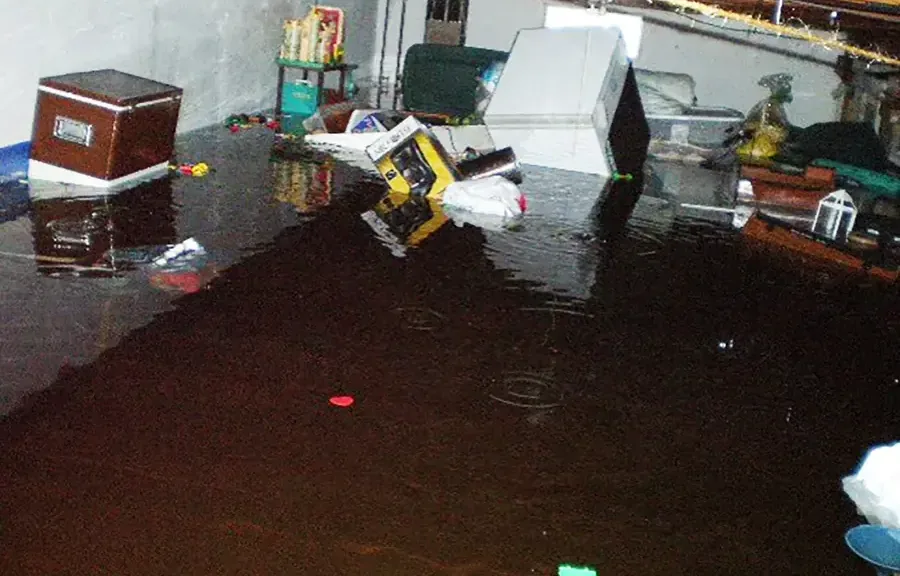
How basement flood cleanup is handled in Oak Park Heights
The restoration specialist records the wet boundary before selecting equipment. Daily material readings and room conditions determine the next adjustment, with the final inspection checking concealed layers as well as exposed surfaces.
- 1
Map basement involvement
Record the water source, floor boundary and affected contents. Inspect connected rooms so the written plan includes moisture that traveled beyond the initially flooded area.
- 2
Clear and extract
Organize contents handling around a safe equipment route. Remove accessible water and identify materials whose condition or contamination prevents them from remaining for drying.
- 3
Expose wet assemblies
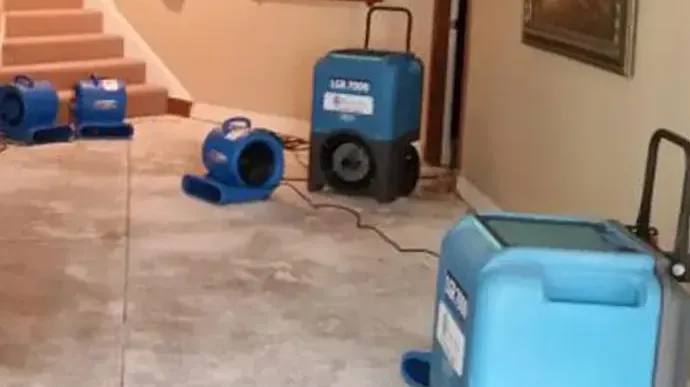
Open necessary access points and clean affected surfaces. Position drying equipment to reach retained framing and floor materials rather than only the center of the room.
- 4
Verify repair readiness
Compare followup readings with the job's drying targets. Record remaining damp locations, completed work and source repair needs before new finishes cover the affected basement.
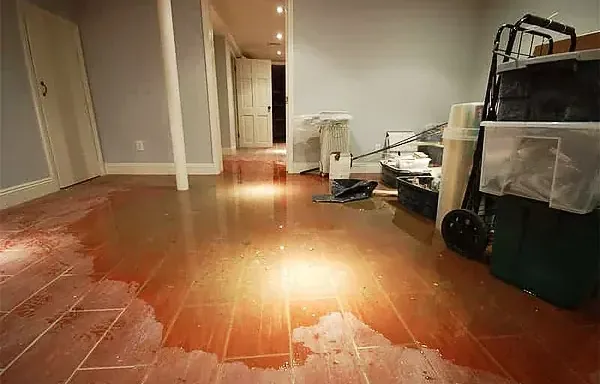
Historic bluff homes overlooking Lake St. Croix are part of the community's housing history. In a property with a basement, cleanup depends on what occupies that lower level today: exposed masonry, finished rooms, storage shelves or utility equipment. A wet carpeted room needs different access decisions from an open floor. The inspection records those differences before setting the removal scope.
First steps for basement flood cleanup in Oak Park Heights
- 1
Stay above uncertain water
Keep people and pets away from the flooded level when outlets, equipment or the electrical condition are unclear. Arrange an assessment before walking downstairs into water.
- 2
Stop an accessible source
For a plumbing release, use a safely reachable shutoff if available. For continuing outside entry, describe the flow rather than entering the basement to investigate.
- 3
Photograph from safe ground
Capture the water boundary, affected storage and wall marks without disturbing unstable items. These images help preserve conditions that extraction and removal will later change.
- 4
Explain the lower layout
Describe finished rooms, utility spaces and the available stairway. Mention sewage odors or a rising water level so the initial cleanup scope reflects present conditions.
What does basement flood cleanup cost in Oak Park Heights, MN?
Basement flood cleanup in Oak Park Heights typically falls within the listed planning ranges according to finish materials, water contact and access. Wet storage handling, contamination and concealed wall damage can expand the work beyond simple floor extraction.
Unfinished area
- Open floor water removal
- Accessible wall surface checks
- Limited contents handling
Finished lower level
- Wet finish material assessment
- Partition cavity access
- Floor covering decisions
Contaminated basement
- Controlled contaminated material removal
- Reachable surface cleaning
- Expanded waste handling
These planning ranges are not a quote. Water category, affected square footage, material class and the delay before drying all influence the scope. Compare the inputs in the water damage cost calculator for a closer range.
Start at the lowest affected surfaces
Water can spread beneath stored boxes and into wall bases before the center of the floor looks deeply flooded. Around the Mill Street area, a useful property description identifies the basement entrance and whether interior doors connect wet rooms. The assessment then follows floor edges, partition bottoms and stair landings rather than stopping at the most visible puddle.
- Lift safely movable dry storage away from the wet boundary.
- Keep access clear without stepping into uncertain electrical conditions.
- Record soaked belongings before damaged packaging breaks apart.
Separate extraction from the remaining moisture
Removing floor water reveals the next decisions. Saturated insulation or deteriorated wallboard may require removal, while suitable exposed materials can enter a monitored drying phase. Properties described near Stillwater Overlook still need an individual inspection of the wet assembly. Elevation and the neighborhood name do not replace a check of the actual basement surfaces.
- Inspect beneath floor coverings where water could remain trapped.
- Assess wall cavities before replacing trim over damp framing.
- Document the source repair separately from interior cleanup work.
Prepare the lower level for repair
Drying targets should cover the materials left in place, including areas concealed by shelving or partitions. Repeated readings show whether the setup reaches those locations. If contamination entered the basement, removal and cleaning decisions come before air movement. The final cleanup record should identify completed drying work and any unfinished repair needed before the basement returns to regular use.
Basement flood cleanup across Oak Park Heights and nearby towns
Basement cleanup in Oak Park Heights covers affected residential spaces, including properties in the Mill Street area. Describe the stairs, water depth and any rooms connected to the flooded level.
The same service nearby: basement flood cleanup in Hastings, Prescott, Farmington.
Water damage restoration in Oak Park Heights · every town covered
Related water damage services in Oak Park Heights
Basement Flood Cleanup questions in Oak Park Heights, MN
Can wet basement boxes stay stacked?
Stacked wet cardboard makes inspection and drying difficult. Once access is safe, contents should be assessed and separated. Photograph damaged items before disposal and avoid moving contaminated belongings into clean living areas.
Does an unfinished basement need drying?
Yes, exposed surfaces and stored materials can remain wet after extraction. The assessment determines what retained materials need monitoring and whether wall or floor edges hold moisture beyond the visible water boundary.
Should carpet remain during cleanup?
That decision depends on water quality, condition and the wet layers underneath. Carpet that looks recoverable from above may conceal damaged padding or a wet subfloor requiring access and separate treatment.
Is the river always the source?
A basement investigation checks the actual entry route. Supply leaks, drainage problems and exterior entry need different corrections. The St. Croix River is a local feature, while source identification happens at the property.
Can dry storage be returned immediately?
Return storage after affected areas are assessed and the necessary cleaning and drying are complete. Replacing shelves or boxes too early can obstruct equipment and hide floor edges that still require inspection.
What follows the water removal stage?
The remaining materials are checked for retained moisture and damage. Cleaning, selective removal and drying may follow before repairs. The scope should explain which tasks are needed for each affected basement area.
Bring the lower rooms back into view
A clear basement assessment connects water removal with contents handling and drying. Start with the source, wet boundaries and safe access available at the property today.
(888) 432-4933Arrange a basement damage discussion- Hastings, MN · Dakota County
- (888) 432-4933, open 24/7
- Dried to the IICRC S500 standard
- Find us on Google