Emergency Water Extraction in Prescott
Puddles can connect rooms faster than their edges suggest. Prescott water extraction starts with the source and safe access, then removes accessible water while checking the flooring transitions, wall bases and belongings along its path through the building.
(888) 432-4933Discuss pumping and floor access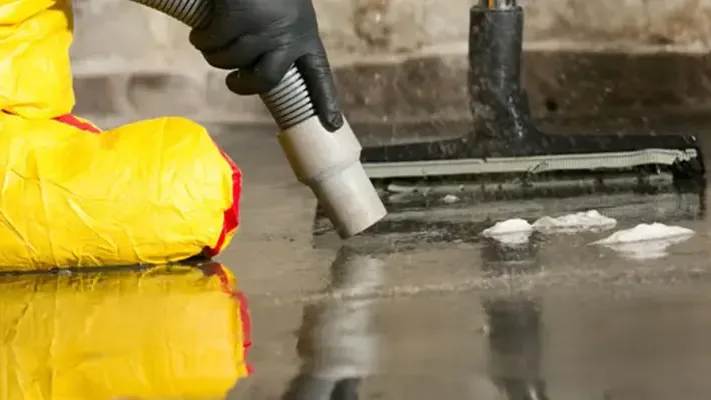
How emergency water extraction is handled in Prescott
The restoration specialist records the wet boundary before selecting equipment. Daily material readings and room conditions determine the next adjustment, with the final inspection checking concealed layers as well as exposed surfaces.
- 1
Match equipment to conditions
The work begins with access and water assessment, selecting an approach suited to depth, floor covering and the handling requirements of the particular water source.
- 2
Remove the accessible accumulation
Pumping or surface extraction clears water in a planned sequence, including connected rooms and low spots identified during the initial walk through of the affected space.
- 3
Assess absorbed moisture separately
After puddles are gone, material checks focus on flooring layers, trim and wall bases. These observations establish whether selective removal or further cleaning is necessary.
- 4
Set the recovery scope
The next plan describes retained wet assemblies, drying equipment needs and any remaining source concern, giving the owner a clear account of work beyond initial extraction.
Open floor water is the most visible part of a loss and often the first material removed. Extraction makes the room easier to inspect, but the equipment must match the water condition and access. A shallow spread across a hard floor presents different handling needs from water embedded in carpet or pooled in a confined lower room.
First steps for emergency water extraction in Prescott
- 1
Keep a dry approach
A safe route to the affected space is necessary before equipment enters. Owners should describe electrical concerns, unstable materials and any obstacles blocking access to standing water.
- 2
Identify ongoing water entry
Source control should be coordinated before extraction is expected to hold progress. Continued supply release, exterior inflow or drain backup needs to be described during the initial conversation.
- 3
Separate clean room traffic
Occupants and pets should remain away from affected flooring. Dry belongings can stay clear of the equipment route so removal work proceeds without carrying water into clean areas.
- 4
Capture the visible spread
Photographs from safe positions should show the wet room boundaries and connected doorways, preserving the original pattern before extraction changes the floor appearance and reveals concealed damage.
What does emergency water extraction cost in Prescott, WI?
Prescott extraction pricing reflects accessible water volume, the surfaces involved and the effort required to reach them. A proposal should explain removal equipment, affected room coverage and the assessment afterward, with additional cleaning or drying tasks identified as the conditions require.
Accessible floor water
- Open room access
- Surface water removal
- Initial edge inspection
Several connected rooms
- Multiple flooring transitions
- Expanded extraction coverage
- Adjoining material checks
Deep or difficult access
- Constrained equipment routing
- More involved pumping
- Detailed access planning
These planning ranges are not a quote. Water category, affected square footage, material class and the delay before drying all influence the scope. Compare the inputs in the water damage cost calculator for a closer range.
Identify what entered before moving it
Prescott stands at the meeting of the St. Croix River and Mississippi River, and City Beach is listed at the U.S. Highway 10 Bridge. At an affected property, the cleanup discussion should identify whether water entered from outdoors, escaped a household supply or backed up through drainage. That distinction influences handling, cleaning and decisions about contacted porous materials.
- Describe color, debris and the visible point of water entry.
- Report active inflow before equipment placement is organized indoors.
- Keep occupants away from water near electrical components or appliances.
Follow every connected patch of flooring
Water can disappear under a cabinet toe kick or reach the next room beneath a closed door. Extraction should therefore be paired with inspection at transitions and wall edges. Removing the central puddle improves access to those areas, allowing the assessment to identify damp layers that need another approach rather than additional surface passes alone.
- Inspect carpet edges and underlying layers after surface removal.
- Check adjacent closets where the floor continues without a break.
- Record water contact beneath furniture before moving items away.
Use extraction to define the remaining work
Once accessible water is removed, the plan turns to retained moisture and damaged finishes. Some surfaces need cleaning, others require opening, and retained assemblies may need controlled drying. The drying assessment gives that next phase a measurable finish point, helping the owner understand why empty floor space can still need further work.
Emergency water extraction across Prescott and nearby towns
Water removal planning includes homes near City Beach, Bell Park and Freedom Park. Floor level, doorway clearance and water conditions help determine the practical equipment access needed at each property.
The same service nearby: emergency water extraction in Hastings, Red Wing, Cannon Falls.
Related water damage services in Prescott
Emergency Water Extraction questions in Prescott, WI
Is extraction the same as a complete dry out?
Extraction removes accessible water. Materials that absorbed moisture may still need drying, and contaminated surfaces may need cleaning or removal. The remaining work is assessed after the open accumulation is cleared.
Can a wet vacuum handle the whole loss?
A small visible puddle can conceal moisture beneath finishes. Equipment choice depends on water conditions and access, while material checks establish whether the damage extends beyond a simple surface cleanup.
What if the water came from outdoors?
Outdoor entry changes the contact assessment and handling plan. The cleanup provider should know the source before removal begins so affected surfaces and porous materials receive appropriate evaluation during recovery.
Do adjoining rooms need inspection after pumping?
Yes, when flooring or wall cavities connect them to the wet space. Doorways, closets and cabinet edges can conceal water travel even after the central area has been extracted.
Should the owner move soaked furniture first?
Movement should follow safety and handling advice for the water involved. Photos can document contact, and heavy or unstable items may need controlled relocation before the floor beneath them is assessed.
What information helps organize removal equipment?
The affected floor level, access route, surface type and active water source all help. A description of standing water and connected rooms supports a more practical initial extraction plan for the building.
Clear the floor for recovery
Standing water removal creates access for the next inspection. Owners can discuss extraction and the material checks that follow so the remaining drying work is defined from the beginning.
(888) 432-4933Arrange an extraction scope discussion- Hastings, MN · Dakota County
- (888) 432-4933, open 24/7
- Dried to the IICRC S500 standard
- Find us on Google