Prescott Flood Cleanup
Water entering from outside can carry sediment into rooms and hidden floor layers. Prescott flood cleanup begins with safe building access, then sorts the affected surfaces by contact, damage and the work needed before drying can proceed.
(888) 432-4933Explain the outdoor water entry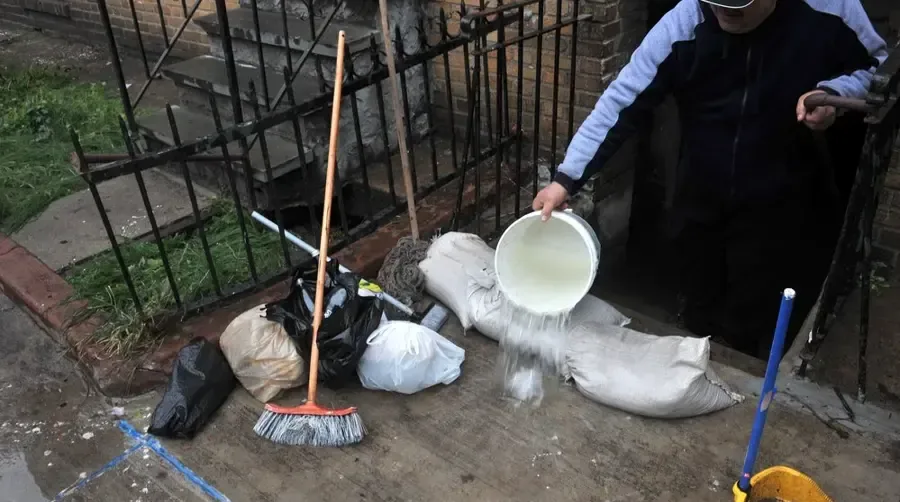
How flood cleanup is handled in Prescott
The restoration specialist records the wet boundary before selecting equipment. Daily material readings and room conditions determine the next adjustment, with the final inspection checking concealed layers as well as exposed surfaces.
- 1
Map contact before removal
The first inspection documents entry, water marks and sediment, creating a room level account of affected surfaces before extraction and handling change the visible conditions indoors.
- 2
Clear water and debris
Accessible accumulation is removed in a controlled sequence. Damaged finishes are assessed and opened where needed to expose retained materials that require further contact cleaning or inspection.
- 3
Clean exposed building components
Suitable surfaces receive attention after contaminated debris and unsuitable layers leave the space. Recesses and transitions are checked so hidden sediment does not remain behind replacement finishes.
- 4
Verify recovery of retained materials
Drying proceeds with monitoring of the affected structure. Completion notes distinguish cleaned and dried components from open repair items, supporting a clear reconstruction plan for the owner.
Floodwater can leave a visible mark on the wall while spreading beneath flooring and inside low cabinets. Recovery begins with that complete contact pattern, including sediment left behind as water recedes. The work should establish whether entry has stopped, which rooms are accessible and how contaminated materials can be removed without extending the affected area.
First steps for flood cleanup in Prescott
- 1
Wait for safe access
A building affected by outside water needs access precautions around utilities and structural damage. Occupants should remain out of unstable or electrically affected spaces until appropriate assessment permits entry.
- 2
Record the entry route
The initial account should identify the door, window or other opening where water appeared, along with debris and the indoor level reached before the water receded.
- 3
Preserve an item record
Affected belongings can be photographed from a safe position before handling decisions are made. Keeping a room based list helps track what requires cleaning, evaluation or removal.
- 4
Separate clean and wet areas
A controlled route for equipment and discarded materials helps protect dry rooms. Unaffected possessions should stay outside the active work area while flood contact is assessed.
What does flood cleanup cost in Prescott, WI?
Prescott flood cleanup costs depend on the area contacted, debris load and the layers needing removal or cleaning. The estimate should connect each task to observed damage, then describe the retained structure requiring drying and the repairs outside that cleanup scope.
Limited entry area
- Localized flood extraction
- Entry debris removal
- Accessible surface cleaning
Several affected rooms
- Connected contact assessment
- Wet finish handling
- Expanded drying arrangement
Extensive flood contact
- Broad material removal
- Detailed cavity cleaning
- Complex recovery access
These planning ranges are not a quote. Water category, affected square footage, material class and the delay before drying all influence the scope. Compare the inputs in the water damage cost calculator for a closer range.
Begin at the point water entered
The St. Croix River and Mississippi River meet at Prescott. City Beach is located at the U.S. Highway 10 Bridge, and Freedom Park is among the city's park facilities. For a damaged home, the cleanup assessment starts at the actual opening or route used by water, then follows the contact into the building's specific floor and wall assemblies.
- Photograph debris patterns before extraction changes the visible entry trail.
- Record exterior openings and low interior surfaces that became wet.
- Keep residents clear of unstable finishes and affected electrical systems.
Sort materials by their condition after contact
Porous finishes, stored goods and enclosed layers need individual decisions after outside water reaches them. Some require removal to expose a suitable retained surface for cleaning. Others need further assessment before any retention decision. An organized inventory helps the owner understand what left the room and why, while preserving space for extraction and controlled handling.
- Check behind base trim where fine debris can collect.
- Inspect cabinet bottoms before assuming a clean exterior is sufficient.
- Separate salvage decisions from the need for immediate access.
Build the drying plan after the cleaning scope
The remaining structure needs cleaning and a moisture assessment before finish replacement. Equipment placement should account for exposed framing, floor layers and any ongoing exterior entry concern. Owners can explore water extraction for the initial removal phase and use the final drying record to discuss reconstruction with the repair contractor.
Flood cleanup across Prescott and nearby towns
Flood cleanup conversations cover buildings near City Beach, Freedom Park and Bell Park, focusing on the observed entry location, safe access and the interior surfaces contacted by outside water.
The same service nearby: flood cleanup in Hastings, Red Wing, Cannon Falls.
Related water damage services in Prescott
Flood Cleanup questions in Prescott, WI
Does outside water change the cleanup approach?
Yes. Water entering from outdoors can carry debris and contamination into material layers. The plan needs contact assessment, appropriate removal and cleaning before the retained structure moves through monitored drying.
Can a water mark define the full affected area?
The mark records one visible condition, while flooring and cavities may carry water beyond it. The inspection should include low recesses, adjoining rooms and absorbent layers reached during the entry.
What happens to items with sediment on them?
Their material and condition determine the handling decision. A documented inventory helps separate items suitable for cleaning from those needing disposal or further evaluation after contact with the floodwater.
Should new flooring follow immediately after pumping?
Pumping clears accessible water but does not finish the material assessment. Cleaning, concealed moisture checks and drying need completion before a replacement floor covers the affected assembly again.
Is every nearby river property treated alike?
The work scope is written for the building's observed water entry and contacted surfaces. Each property's layout, materials and access determine the specific removal, cleaning and drying work required.
What repair information comes from flood cleanup?
Photos, removal notes and drying checks describe the condition left for reconstruction. They help the repair contractor identify open cavities, replacement finishes and any unresolved entry issue before rebuilding begins.
Plan recovery after outside water entry
Flood cleanup connects controlled removal with cleaning and drying of retained materials. An assessment can organize those tasks around the building's condition and the repair decisions that follow the water loss.
(888) 432-4933Discuss the flood recovery sequence- Hastings, MN · Dakota County
- (888) 432-4933, open 24/7
- Dried to the IICRC S500 standard
- Find us on Google