Red Wing Commercial Water Damage
A business water loss affects more than the wet floor: storage, staff routes and equipment access may all change. Red Wing commercial cleanup brings those needs into the damage assessment so recovery decisions can be organized around safe use of the property.
(888) 432-4933Discuss affected business areas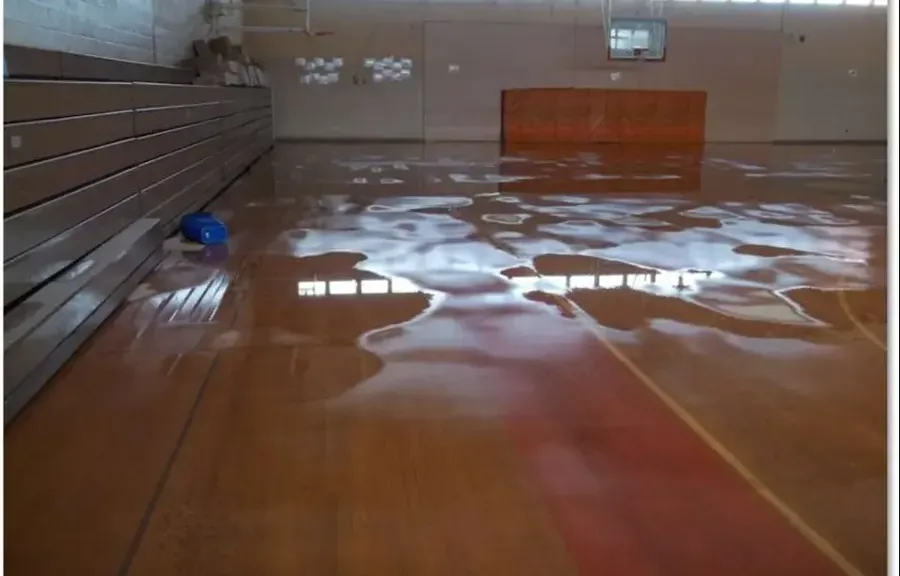
How commercial water damage is handled in Red Wing
The restoration specialist records the wet boundary before selecting equipment. Daily material readings and room conditions determine the next adjustment, with the final inspection checking concealed layers as well as exposed surfaces.
- 1
Map the building and operation
Staff routes, stock locations and equipment needs are mapped against the wet footprint to establish workable access boundaries.
- 2
Prioritize removal and contents handling
Extraction and damaged material work are sequenced around the building's practical constraints. Inventory decisions and protected movement paths help keep the original loss distinct from disruption caused by moving stock or equipment.
- 3
Dry retained commercial assemblies
Equipment placement follows the wet construction and available work zones. Material readings support adjustments while the property contact receives a clear account of changes that affect access or the use of adjoining spaces.
- 4
Deliver an organized recovery record
The handoff combines drying observations, removed materials, stock decisions and outstanding source repairs. Permit questions and reconstruction responsibilities remain identifiable so the next stage can proceed from a clear damage record.
Red Wing includes manufacturers such as Riedell Skates and Red Wing Stoneware. Commercial water losses can involve very different building layouts, so cleanup should begin with the actual operation rather than a generic room list. A property near Frazier Street may need a protected delivery route, access to stock or coordination around equipment before extraction and removal can proceed through the affected space.
First steps for commercial water damage in Red Wing
- 1
Identify immediate operating restrictions
Keep staff and visitors outside wet or unstable areas. Electrical equipment, contaminated water and damaged overhead finishes should be described before deciding whether any part of the business can remain open.
- 2
Assign a property contact
A designated manager should explain stock priorities, equipment constraints and building access, connecting cleanup decisions with daily operating needs.
- 3
Record affected stock by location
Photographs and an organized inventory preserve the original exposure before items are moved. Keep room or department details with each group so later handling decisions remain traceable to the water event.
- 4
Protect clean circulation paths
Identify entry points and routes that can support equipment and debris movement. Separating those paths from unaffected storage and occupied areas helps prevent the recovery work from spreading the loss.
What does commercial water damage cost in Red Wing, MN?
Commercial cleanup in Red Wing is priced around affected area, material exposure and operational access requirements. Estimates should identify each work zone and separate restoration from equipment service or reconstruction, making any staged recovery arrangement understandable before authorization.
Contained business area
- Defined work boundary
- Limited stock coordination
- Focused assembly drying
Several connected zones
- Multiple access routes
- Broader material treatment
- Department based documentation
Complex commercial loss
- Extensive contents planning
- Special operating constraints
- Coordinated repair handoff
These planning ranges are not a quote. Water category, affected square footage, material class and the delay before drying all influence the scope. Compare the inputs in the water damage cost calculator for a closer range.
Separate occupied areas from the work footprint
The water source, electrical conditions and damaged finishes determine which spaces can remain in use. Near Bay Point Park, an affected business should identify staff circulation and essential access during the initial discussion. A dry looking adjoining room may still share a wet wall or floor assembly, so operating boundaries need inspection rather than assumptions based on the visible puddle.
- Identify stock and equipment that cannot be moved without coordination.
- Keep removal traffic away from clean storage and occupied areas.
- Record damage by department or room before contents are relocated.
Make the cleanup sequence understandable
Managers need to know which decisions affect access, noise and material handling. The scope should explain extraction, cleaning, selective removal and drying as separate tasks, with any plumbing or roof repair responsibility clearly assigned. A phased arrangement may be practical when unaffected areas can remain safely separated, but the condition of the building governs that decision.
Keep reconstruction connected to the findings
Structural repairs and alterations in the city require a building permit, and applications and inspections use Cloudpermit. That assessment belongs with repair planning after cleanup reveals the extent of damaged construction. The structural drying service explains how retained assemblies are monitored before replacement finishes are installed. A commercial handoff should also preserve inventory decisions, work area boundaries and source repair records so the owner can coordinate the next contractor without losing the context of the original water loss.
Commercial water damage across Red Wing and nearby towns
Red Wing business cleanup planning starts with the building use and affected departments. A location near Levee Road helps identify access, while stock exposure and utility concerns shape the inspection priorities.
The same service nearby: commercial water damage in Hastings, Cannon Falls, Prescott.
Related water damage services in Red Wing
Commercial Water Damage questions in Red Wing, MN
Can part of a business remain open?
That decision follows inspection of water exposure, electrical concerns and shared assemblies. Suitable separation may allow some use, but the work boundary and access routes must support safe operation during the recovery process.
Who should coordinate cleanup decisions?
A property representative familiar with operations, inventory and building access can keep decisions consistent. That contact should also identify anyone responsible for equipment service, source repair or the reconstruction work that follows.
Should stock be moved before an inventory?
Safe documentation should capture its original location and exposure before relocation. Organized records help explain handling decisions and keep potentially recoverable stock distinct from debris or material requiring disposal after the water loss.
Are offices checked beyond the wet department?
Connected walls, floors and overhead cavities can carry moisture into adjoining areas. Inspection should therefore consider shared construction rather than stopping at a department boundary that does not match the actual water path.
Can restoration charges be grouped by work area?
A clear estimate should identify affected zones and the tasks within them. That organization helps the business understand extraction, removal and drying costs alongside separate equipment service or reconstruction responsibilities.
What supports the return to normal use?
The completed cleanup scope, retained material condition and remaining repair needs should be reviewed together. The property contact needs an understandable account of usable areas and work still required before ordinary operations resume fully.
Organize the loss by affected work area
A commercial scope should explain both damaged materials and operating constraints. Discuss room boundaries, contents handling and source repair responsibilities so the recovery sequence remains clear from extraction through the reconstruction handoff.
(888) 432-4933Arrange a commercial damage assessment- Hastings, MN · Dakota County
- (888) 432-4933, open 24/7
- Dried to the IICRC S500 standard
- Find us on Google