Commercial Water Damage in Cannon Falls
Water in a business affects more than the damaged floor. Commercial cleanup in Cannon Falls organizes wet work zones, contents and access around the building's actual conditions so managers can understand restoration tasks and plan the next operational decisions.
(888) 432-4933Discuss the business recovery priorities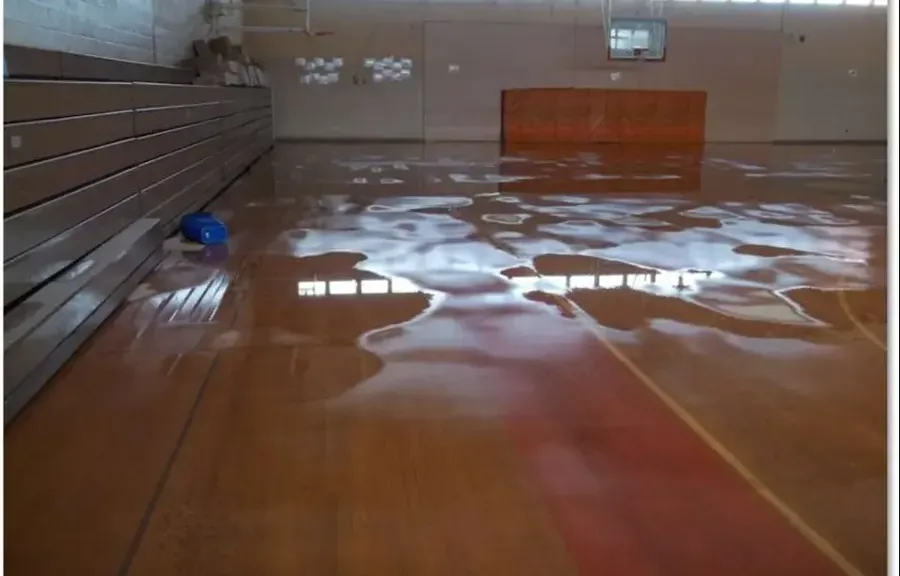
How commercial water damage is handled in Cannon Falls
The restoration specialist records the wet boundary before selecting equipment. Daily material readings and room conditions determine the next adjustment, with the final inspection checking concealed layers as well as exposed surfaces.
- 1
Survey damage and essential building functions
The assessment maps wet rooms and source conditions. The building contact identifies access restrictions and contents priorities for the restoration plan.
- 2
Establish removal routes and work boundaries
Extraction and contents handling follow an agreed access arrangement. Inventory is documented, unsafe areas remain restricted and source repairs are coordinated before work expands into connected rooms or cavities.
- 3
Clean and dry the retained assemblies
Material decisions follow contamination, damage and access. Equipment serves the retained structure, with progress checks explained to the manager as different surfaces and enclosed layers respond to drying.
- 4
Hand back areas with clear remaining tasks
Completion records describe moisture condition and repairs requiring attention. Managers receive an account of completed mitigation and remaining work, supporting practical decisions about returning each affected room to use.
The Cannon Falls Historic District contains dining, shopping and service amenities. Water damage in an occupied commercial space creates immediate questions about entrances, contents and usable rooms. A restoration assessment should answer those questions alongside the material damage. Managers need a clear distinction between an area that can remain accessible and a wet work zone requiring controlled entry.
First steps for commercial water damage in Cannon Falls
- 1
Assign a building contact
Name a contact who can describe damage and authorize work. Share restricted rooms and essential access needs before equipment routes or contents movement are planned.
- 2
Separate wet areas from circulation
Keep staff and visitors away from unsafe water or damaged ceilings. Preserve a dry route where conditions permit, and describe any exit or operational space affected by the loss.
- 3
Record business contents in place
Photograph wet stock, furnishings and equipment safely before moving them. Keep unaffected inventory apart so the assessment can distinguish direct water contact from contents shifted only to create work access.
- 4
List operational priorities clearly
Explain which rooms support essential activity and which can remain closed. Those priorities help organize the discussion while safety, contamination and building condition determine the practical work sequence.
What does commercial water damage cost in Cannon Falls, MN?
Commercial cleanup costs in Cannon Falls depend on building access, wet assemblies and contents coordination. Several occupied zones can require more planning than a contained room. The estimate should separate mitigation tasks from equipment service, inventory replacement and reconstruction responsibilities.
Contained business area
- Defined work boundary
- Accessible floor extraction
- Focused material checks
Several connected zones
- Expanded contents coordination
- Multiple surface drying
- Protected access routes
Complex commercial loss
- Detailed operational planning
- Concealed assembly access
- Broader recovery documentation
These planning ranges are not a quote. Water category, affected square footage, material class and the delay before drying all influence the scope. Compare the inputs in the water damage cost calculator for a closer range.
Set priorities around the building's actual use
Cannon River canoeing and Cannon Valley Trail bicycling are local recreational activities. During the June 2012 flooding, a bike and canoe rental shop reported about 2 feet of water over its floor. For a present business loss, the contents inventory and room layout shape extraction access. Stock, customer furnishings and fixed equipment each need deliberate handling decisions.
- Identify essential entrances before placing equipment or moving contents.
- Document damaged stock separately from unaffected business inventory nearby.
- Keep customer and staff routes outside contaminated wet areas.
Make the scope useful to the manager
A written plan should divide the loss into understandable tasks: water removal, cleaning, material access, drying and later repair. It should also explain any dependency on plumbing or exterior source work. When another room becomes available for inspection, added damage should be documented before scope changes are approved. Clear boundaries help coordinate the work with the people using the building.
- Record restricted rooms and the contact responsible for access.
- Assess floor layers beneath movable stock or display furniture.
- Communicate equipment routes before relocating business contents between spaces.
Plan reopening from completed work
Drying verification and remaining repairs should inform the return of an affected area to normal use. A cleared floor may still need structural drying or finish replacement before furnishings return. The final walkthrough should document the condition of retained materials, any unresolved source work and the responsibilities for restoring the room's normal function.
Commercial water damage across Cannon Falls and nearby towns
Commercial assessments include Cannon Falls business interiors and properties along Highway 52. Describe occupied areas, restricted access and the wet footprint so the visit can address building conditions and operational priorities.
The same service nearby: commercial water damage in Hastings, Red Wing, Farmington.
Water damage restoration in Cannon Falls · every town covered
Related water damage services in Cannon Falls
Commercial Water Damage questions in Cannon Falls, MN
Can an unaffected part of the business stay open?
That depends on safe separation, access and the building's actual conditions. Discuss operational priorities during assessment, while keeping staff and customers outside wet or contaminated areas and necessary work routes.
Who should coordinate the restoration visit?
A designated building contact helps arrange entry, explain restricted spaces and assess the scope. Clear authority for decisions also makes newly discovered damage and changes to contents handling easier to address.
Does moving stock mean it is damaged?
Some inventory moves only to provide access. Documentation should distinguish direct water contact from unaffected items relocated during cleanup, keeping the contents record useful for management and any claim discussions.
How does equipment affect normal circulation?
Machines and hoses need planned placement that accounts for access and the wet work area. The restoration team and building contact should assess routes before equipment or contents obstruct necessary movement.
Are inventory losses included in mitigation pricing?
The estimate should separate extraction, cleaning and drying from inventory replacement or equipment service. Managers can then assess the building work alongside other loss costs without confusing the responsibilities.
What should determine when a room returns to use?
Drying condition, cleaning completion, remaining repairs and safe access all matter. The final walkthrough should identify unresolved tasks so operational decisions reflect the room's actual readiness after mitigation.
Coordinate building recovery with operational decisions
Cannon Falls commercial cleanup can organize removal, cleaning and drying into an understandable scope. A documented handoff helps managers plan remaining repairs and the practical return of affected rooms to normal use.
(888) 432-4933Arrange a business water damage assessment- Hastings, MN · Dakota County
- (888) 432-4933, open 24/7
- Dried to the IICRC S500 standard
- Find us on Google