Flood Cleanup in Farmington
When runoff crosses a threshold, the cleanup must follow both water and the material it carries. Farmington flood cleanup evaluates entry openings, deposited sediment and affected contents before establishing how the building can be cleaned and dried.
(888) 432-4933Discuss outdoor water entry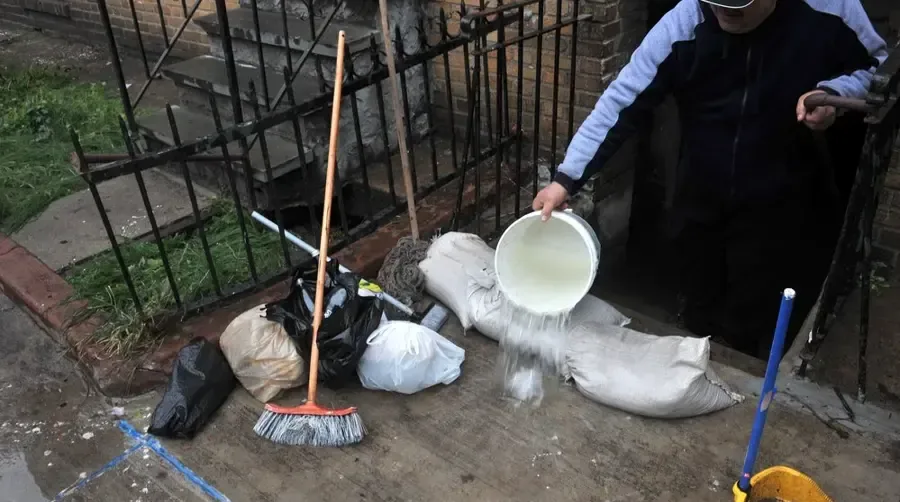
How flood cleanup is handled in Farmington
The restoration specialist records the wet boundary before selecting equipment. Daily material readings and room conditions determine the next adjustment, with the final inspection checking concealed layers as well as exposed surfaces.
- 1
Reconstruct the entry path
Assessment connects exterior openings with interior marks, deposits and damaged materials. Those observations establish the cleanup boundary and identify any access concerns before equipment begins water removal.
- 2
Extract and remove deposits
Standing water and carried sediment are addressed together. Contents and unsuitable porous finishes are sorted using handling methods that account for contamination across the affected work area.
- 3
Clean the exposed building surfaces
Opening damaged assemblies gives access to surfaces hidden behind finishes. Cleaning addresses those contact points before the retained structure receives a drying setup matched to the remaining moisture.
- 4
Prepare a condition based handoff
Material readings and completed cleaning notes support the repair stage. The handoff identifies exposed areas, removed belongings and any unresolved outdoor entry problem requiring attention from another provider.
Outdoor water leaves more than a wet surface behind. Mud and other carried material can settle under contents, in floor joints and against wall bases. The cleanup record should capture where water entered, which rooms received it and what deposits remain as the level falls. That information shapes both material handling and the later drying plan.
First steps for flood cleanup in Farmington
- 1
Wait for safe building access
Outdoor flooding can affect electrical equipment and structural conditions. The property should receive an access assessment before occupants enter wet areas or begin retrieving belongings from damaged rooms.
- 2
Capture the exterior entry marks
When safely visible, photographs of water at windows, doors and adjacent surfaces help preserve the entry story. The record should also include interior sediment and the wet room boundary.
- 3
Separate contact zones
Foot traffic and moved contents can spread deposits into clean rooms. A defined route for wet materials helps keep the remaining property usable while cleanup work is organized.
- 4
Plan contents documentation
An inventory should distinguish exposed items from unaffected possessions. Disposal and cleaning decisions can then follow material condition and contamination rather than the order belongings happen to be moved.
What does flood cleanup cost in Farmington, MN?
Flood cleanup in Farmington uses planning ranges of $3,000 to $12,000+. Sediment, contaminated finishes and the number of affected rooms change the workload. The written scope should identify removal, cleaning and drying along with any separately arranged rebuilding.
Limited entry area
- Localized deposit removal
- Accessible exposed surfaces
- Small contents inventory
Several affected rooms
- Connected wet areas
- Selective finish removal
- Expanded cleaning access
Extensive flood contact
- Broad material handling
- Multiple drying assemblies
- Detailed recovery documentation
These planning ranges are not a quote. Water category, affected square footage, material class and the delay before drying all influence the scope. Compare the inputs in the water damage cost calculator for a closer range.
Read the route from outside to inside
Farmington identifies rain and melted snow as stormwater sources. The Industrial Park drainage study recorded backups upstream of its drainage ditch and recommended additional surface storage. In Downtown and near County Road 50, the relevant assessment still follows each property's entry opening, indoor water path and affected finishes. Cleanup decisions come from that observed route through the building.
- Record water marks around doors and low windows when safely visible.
- Note sediment under shelving and along the edges of finished flooring.
- Keep outdoor deposits from being tracked through clean interior rooms.
Sort materials before trying to dry everything
Contaminated porous finishes may be unsuitable for retention even when they appear intact. Solid surfaces need access for removal of deposits and cleaning. Belongings should be documented in their affected condition before protected handling moves them into the appropriate disposal or cleaning route. The plan should account for contents as well as the building shell.
- Evaluate swollen panels and saturated pad as separate material layers.
- Inspect enclosed floor edges where debris can remain after pumping.
- Include stair bases and door recesses in the cleaning boundary.
Build the drying plan around cleaned surfaces
Drying equipment works on the retained assembly after accumulated water, deposits and unsuitable finishes have been addressed. Water extraction is part of that sequence, followed by material monitoring. The final record should show which areas were cleaned, where openings remain and what exterior entry correction or interior rebuilding still needs to happen.
Flood cleanup across Farmington and nearby towns
Flood damage assessment considers the actual entry at properties around Downtown, County Road 50 and the Industrial Park. Reports should describe outdoor accumulation, indoor spread and accessible entry points.
The same service nearby: flood cleanup in Hastings, Cannon Falls, Prescott.
Related water damage services in Farmington
Flood Cleanup questions in Farmington, MN
Why does outdoor water require more than pumping?
Runoff can carry sediment and contamination into building materials. Pumping removes accumulated liquid, while cleaning, material removal and drying address deposits and moisture left inside the affected rooms.
Does the drainage study describe flooding everywhere in town?
The Industrial Park study concerns its particular drainage area and upstream storm sewer backups. A property assessment should document the actual outdoor accumulation and entry route affecting that building.
Can flood soaked furniture be cleaned?
The answer depends on construction, contamination and access to internal material. Upholstery and other absorbent components can retain contaminated water, so each item needs an appropriate retention or disposal decision.
Should floor coverings be lifted after floodwater recedes?
Inspection may need access underneath to find trapped water and sediment. The condition of the covering and underlying layers determines whether removal is necessary for cleaning and subsequent drying.
How are damaged possessions recorded?
Photographs and a written inventory should identify the item, its location and visible condition. Documentation should happen safely and account for protected handling of belongings exposed to contaminated water.
Does cleanup include fixing the exterior opening?
An estimate should state whether entry correction is included or separately arranged. Restoring the rooms requires coordination with the provider addressing the door, window, drainage or other source of entry.
Address the flood's full indoor path
Farmington flood recovery starts with safe access and a clear picture of affected rooms. A focused assessment can connect water removal, contents handling and drying to the actual indoor damage.
(888) 432-4933Discuss deposited water and sediment- Hastings, MN · Dakota County
- (888) 432-4933, open 24/7
- Dried to the IICRC S500 standard
- Find us on Google