Red Wing Flood Cleanup
Outdoor floodwater can leave sediment in places a surface rinse cannot reach. Red Wing flood cleanup begins with safe building access and the water's path indoors, then separates damaged contents, contaminated finishes and structural materials that may be recoverable.
(888) 432-4933Discuss outdoor water intrusion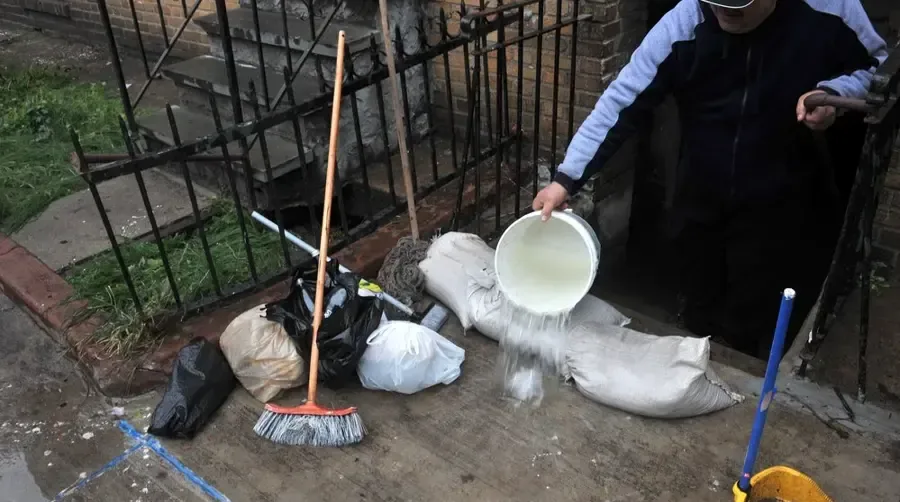
How flood cleanup is handled in Red Wing
The restoration specialist records the wet boundary before selecting equipment. Daily material readings and room conditions determine the next adjustment, with the final inspection checking concealed layers as well as exposed surfaces.
- 1
Assess entry and interior stability
Access, electrical concerns and wet construction are assessed before water marks and debris define the interior cleanup boundary.
- 2
Remove accumulated flood residue
Collected water, sediment and unsuitable materials are handled in an organized sequence. The goal is to expose recoverable surfaces without carrying dirty residue through rooms outside the flood footprint.
- 3
Clean the retained construction
Accessible framing and other retained materials are treated according to their exposure and condition. Joints and lower cavities receive attention because flood residue can persist where ordinary surface wiping cannot reach.
- 4
Prepare a repair ready record
Drying measurements and removal notes establish the condition of the remaining structure. The handoff includes unresolved source concerns and permit questions so reconstruction follows a clear account of the completed cleanup.
Flood preparations in Red Wing have included closing Bay Point Park and its boat ramp, the Frazier Street public boat launch and part of Levee Road. Those reported precautions show why access belongs in a cleanup discussion before equipment is moved. Inside a flooded building, inspection must establish how water entered, which surfaces it touched and whether the structure can be approached safely.
First steps for flood cleanup in Red Wing
- 1
Respect access restrictions
Flood related closures and unsafe building conditions can prevent entry after water recedes. Occupants should wait for appropriate access clearance instead of crossing water to retrieve belongings.
- 2
Avoid energizing affected equipment
Wet electrical equipment requires assessment before operation. Do not start household fans or appliances in the flooded area while electrical exposure and contamination conditions remain unresolved inside the building.
- 3
Capture the high water evidence
Photograph visible marks and entry openings from a safe location. This record helps describe the original flood contact before sediment removal and damaged material handling change the interior scene.
- 4
Keep salvage decisions organized
Group the contents inventory by room and material type. A controlled assessment can separate potentially recoverable belongings from porous items that need disposal without spreading dirty water across clean surfaces.
What does flood cleanup cost in Red Wing, MN?
Flood cleanup costs in Red Wing reflect exposure, sediment and the amount of interior material that must be opened or removed. The estimate should describe cleaning and drying after water removal, with reconstruction and unusual access work identified separately for assessment.
Limited entry area
- Defined contact zone
- Localized debris removal
- Accessible surface cleaning
Several affected rooms
- Connected exposure mapping
- Porous material decisions
- Broader drying arrangement
Extensive flood contact
- Complex removal sequence
- Concealed sediment access
- Expanded recovery documentation
These planning ranges are not a quote. Water category, affected square footage, material class and the delay before drying all influence the scope. Compare the inputs in the water damage cost calculator for a closer range.
Use the entry marks to define the loss
Door thresholds, low windows and wall openings can leave different traces. Sediment and water marks help connect those entry points with affected rooms, but hidden cavities also need attention. The city has provided sand for residents filling sandbags during anticipated flooding. After water reaches the interior, the recovery task shifts to the materials and contents it actually contacted.
- Record water marks before washing or removing affected interior finishes.
- Keep outdoor debris separate from belongings selected for further assessment.
- Check wall bases where silt can remain behind visible surfaces.
Choose removal before covering the damage
Flood exposed porous materials may need removal because their internal surfaces cannot be cleaned adequately. Accessible structural materials require evaluation of condition and exposure before retention. An estimate should identify those decisions by room, giving the owner a clear account of what is being discarded and which surfaces will receive cleaning before drying begins.
Rebuild from a documented interior
The drying plan follows the cleaned assembly, including joints and cavities opened during removal. Material readings establish the drying progress before reconstruction begins. In Red Wing, structural repairs and alterations require building permits, so repair planning should begin while the extent of opened construction remains visible. The water removal service addresses accumulated liquid, while the broader flood scope includes sediment handling, material exposure decisions and preparation for the repair contractor. Records should preserve both the initial water path and the condition of materials left in place.
Flood cleanup across Red Wing and nearby towns
Flood recovery in Red Wing depends on access to the affected property and conditions inside it. Mention nearby closures, the entry opening and whether water levels continue changing around the building.
The same service nearby: flood cleanup in Hastings, Cannon Falls, Prescott.
Related water damage services in Red Wing
Flood Cleanup questions in Red Wing, MN
Does floodwater need different handling from a pipe leak?
Water arriving from outside can carry sediment and contaminants into interior materials. The cleanup plan needs to account for that contact, with removal and cleaning decisions made before ordinary room drying is considered.
Should walls be washed before photos are taken?
Safe photographs should preserve water marks and sediment patterns first. Those observations help explain the extent of contact and can become difficult to reconstruct after washing, pumping or material removal changes the room.
Can flood exposed flooring stay in place?
The material, backing and access beneath it determine the answer. Some assemblies cannot be adequately cleaned or dried without removal, even when the exposed walking surface appears sound after the water recedes.
Are road closures part of cleanup planning?
Access affects whether a crew and equipment can reach the property safely. Report current restrictions during the initial discussion and avoid entering closed routes merely because the building itself is ready for inspection.
What belongs in a flood contents inventory?
Record the item, its room and its visible exposure, with photographs when safe. Keeping potentially recoverable belongings distinct from debris helps support handling decisions and a clearer account of the damaged interior.
When should structural repair permits be considered?
The city requires permits for structural repairs and alterations. Once cleanup reveals the repair scope, permit questions should be addressed before replacement work conceals the damaged framing or other structural components again.
Recover the building after flood contact
A practical plan follows the water from its entry point through every affected room. Discuss removal, cleaning and retained materials before replacement finishes cover evidence of the original flood exposure.
(888) 432-4933Arrange a flood recovery assessment- Hastings, MN · Dakota County
- (888) 432-4933, open 24/7
- Dried to the IICRC S500 standard
- Find us on Google