Commercial Water Damage in Farmington
A business water loss affects room access, stored goods and the activities scheduled around them. Farmington commercial cleanup defines the wet work area, coordinates responsible contacts and plans removal and drying around the building's actual operating constraints.
(888) 432-4933Discuss the affected business areas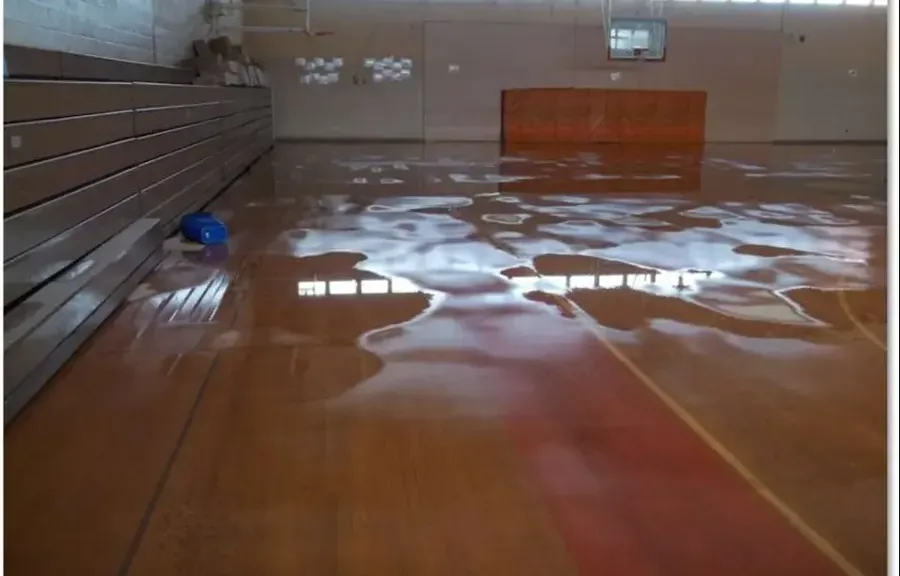
How commercial water damage is handled in Farmington
The restoration specialist records the wet boundary before selecting equipment. Daily material readings and room conditions determine the next adjustment, with the final inspection checking concealed layers as well as exposed surfaces.
- 1
Establish authority and work boundaries
Responsible contacts, water pathways and exposed assets define the work boundary. Those findings support the removal scope and operating changes.
- 2
Remove water around documented assets
Extraction and contents movement follow the agreed work route. Damaged stock or equipment receives a separate condition record, while access beneath moved items allows inspection of concealed floor and wall surfaces.
- 3
Dry the retained building assemblies
Equipment placement accounts for partitions, room connections and continuing use of unaffected areas. Monitoring identifies material progress and any access changes needed before repairs or asset return can reasonably proceed.
- 4
Provide a room specific handoff
Completion notes describe cleaned zones, removed finishes and retained material findings. Outstanding source repairs and reconstruction tasks remain visible so management can coordinate the next phase without confusing extraction completion with full business recovery.
Commercial cleanup needs a clear decision maker as well as an accurate damage map. A manager may need to coordinate tenant access, building systems and movement of stock before equipment can reach the affected room. The initial discussion should identify which activities have stopped, where water is still entering and which nearby spaces remain available for ordinary use.
First steps for commercial water damage in Farmington
- 1
Name the property decision contact
An authorized property contact coordinates access, contents decisions and building work. Tenant and owner responsibilities need agreement before equipment placement or material removal.
- 2
Identify affected operating areas
A room list should distinguish wet workspaces, impacted storage and usable areas. Electrical concerns, contaminated water and overhead damage can change access priorities before staff attempt to recover equipment or stock.
- 3
Preserve asset and room records
Photographs and an inventory should capture exposed items where safe access permits. Relocated assets need location notes so the condition record remains useful through cleanup, repair and the return to normal operations.
- 4
Arrange controlled equipment access
Delivery doors, shared corridors and locked utility spaces may form the cleanup route. Coordinated permissions let equipment reach the water without unnecessary movement through occupied workspaces.
What does commercial water damage cost in Farmington, MN?
Commercial cleanup in Farmington has planning ranges from $2,500 to $15,000+. Affected zones, contents handling and access restrictions influence the estimate. The scope should distinguish water recovery from asset replacement, source repairs and later reconstruction.
Contained business area
- Localized affected workspace
- Accessible water removal
- Limited contents handling
Several connected zones
- Multiple room assessment
- Coordinated equipment routes
- Expanded material drying
Complex commercial loss
- Restricted access planning
- Broader asset documentation
- Detailed repair coordination
These planning ranges are not a quote. Water category, affected square footage, material class and the delay before drying all influence the scope. Compare the inputs in the water damage cost calculator for a closer range.
Identify the source before setting operational priorities
The Industrial Park drainage study documented storm sewer backups upstream of its drainage ditch. Businesses in Downtown and along County Road 50 need an assessment of their own release and entry route. Outdoor water, plumbing failure and wastewater discharge each shape handling decisions. The cleanup boundary should follow actual contact with floors, partitions and assets rather than the business's department layout.
- Identify rooms with wet electrical equipment before staff retrieve belongings.
- Record the location and condition of exposed stock before relocation.
- Coordinate any shared entrance or utility access with the building contact.
Plan movement through the usable part of the building
Hoses, removed materials and equipment can compete with ordinary workplace traffic. A defined work route helps separate those activities while the affected area receives extraction and inspection. Contents relocation should preserve the asset record and avoid transferring dirty water into clean storage. Necessary operating changes should be discussed with the responsible property representative.
- Keep material removal paths distinct from occupied workstations where practical.
- Identify locked rooms needed for source inspection or concealed moisture checks.
- Record temporary contents locations so returned assets remain easy to account for.
Reopen areas according to their condition
Some spaces may need finish replacement after the retained structure is dry. Structural drying records can help explain that distinction to managers arranging the next trade. The closing discussion should identify completed cleaning, material findings and any remaining access restriction, giving the business a practical basis for repair scheduling and the return of moved equipment or stock.
Commercial water damage across Farmington and nearby towns
Commercial assessment planning includes the Industrial Park, Downtown and County Road 50. The property contact should identify affected operations, controlled entrances and any tenant coordination needed to reach the water damage.
The same service nearby: commercial water damage in Hastings, Cannon Falls, Prescott.
Related water damage services in Farmington
Commercial Water Damage questions in Farmington, MN
Who should coordinate a leased business space?
The occupant and property owner should identify the contact responsible for access and building decisions. Clear responsibilities help coordinate source repair, affected contents and inspection of shared or controlled spaces.
Can part of the business remain in use?
That depends on safety, contamination and separation from the work area. The assessment should identify usable spaces and the changes needed to keep ordinary activity away from removal and drying operations.
Should wet stock be moved before documentation?
Safe documentation should preserve the item's condition and original location when practical. Relocation needs a plan that avoids spreading contaminated water and keeps the asset inventory useful throughout the recovery work.
Does the cleanup stop when visible water is gone?
Flooring, partitions and concealed cavities may still hold moisture. Material inspection and drying records determine what remains before the affected rooms can move to repair or ordinary operational use.
How are shared corridors handled during cleanup?
The property contact should coordinate a defined equipment and material route. That arrangement accounts for other occupants, controlled entrances and the need to keep affected work separate from usable building areas.
What should management receive when work ends?
A useful handoff lists treated rooms, removed materials and drying findings. It should also identify remaining source repairs, finish replacement and restrictions relevant to returning equipment or resuming activities.
Coordinate cleanup with the building's use
Farmington commercial water recovery can be organized around safe access, documented assets and material condition. Describe the affected work areas and responsible contacts to begin planning removal, drying and the repair handoff.
(888) 432-4933Discuss the property's recovery sequence- Hastings, MN · Dakota County
- (888) 432-4933, open 24/7
- Dried to the IICRC S500 standard
- Find us on Google