Oak Park Heights Sewer Backup Cleanup
Wastewater rising through a drain changes how a room must be handled. Sewer backup cleanup in Oak Park Heights begins with keeping people away from contamination, identifying affected materials and coordinating the drain problem with interior recovery.
(888) 432-4933Discuss the contaminated room safely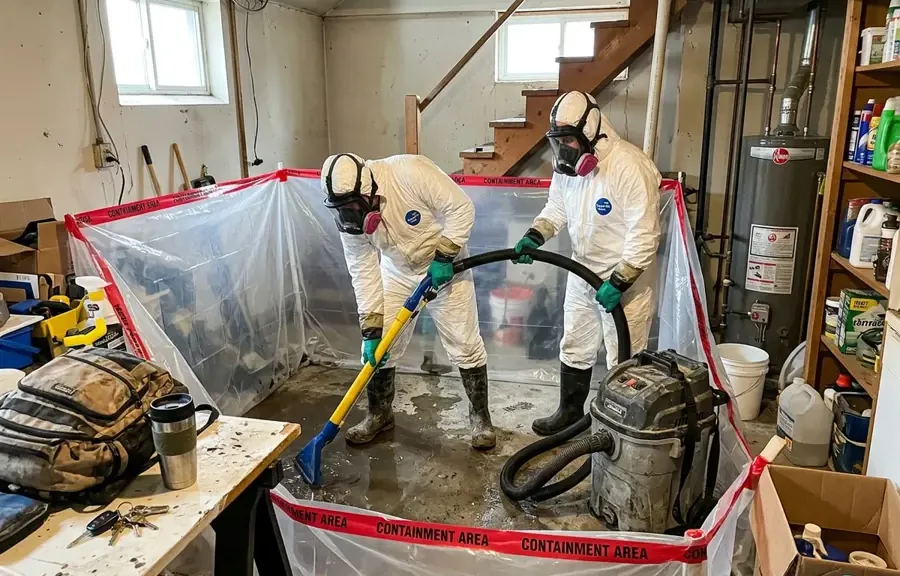
How sewer backup cleanup is handled in Oak Park Heights
The restoration specialist records the wet boundary before selecting equipment. Daily material readings and room conditions determine the next adjustment, with the final inspection checking concealed layers as well as exposed surfaces.
- 1
Establish the contact boundary
Identify where wastewater entered and every surface it reached. Plan access controls and waste movement so cleanup activity does not carry contamination into otherwise usable interior spaces.
- 2
Coordinate source correction
Arrange the necessary drain assessment while documenting interior damage. The written plan distinguishes drainage repairs from contaminated water removal, contents handling and building material recovery inside the property.
- 3
Remove and clean methodically
Extract affected water and remove unsuitable porous materials. Clean reachable retained surfaces with methods appropriate to sewage contact before arranging the subsequent drying equipment around those assemblies.
- 4
Confirm remaining recovery tasks
Monitor retained material moisture and document the completed cleaning scope. Identify any access, repair or drying work still needed before the affected rooms return to routine use.
The important boundary in a sewage loss is the contact area, including where people or objects may carry contamination beyond the original puddle. That boundary should shape the work zone. Cleanup starts with an assessment of the affected surfaces and a route for removing waste without bringing it through usable rooms. Ordinary household floor cleaning is not a substitute for that organized process.
First steps for sewer backup cleanup in Oak Park Heights
- 1
Close the affected room
Prevent children, pets and other occupants from entering sewage contact areas. Keep the boundary clear until the cleanup work zone and a safe removal route are established.
- 2
Limit affected fixture use
Stop using fixtures associated with the backup and arrange a drainage assessment. Describe which openings released wastewater so the source problem can be evaluated alongside interior cleanup.
- 3
Avoid spreading contaminated items
Leave sewage soaked rugs and belongings in the affected zone for assessment. Moving them through clean rooms can expand the contact area and complicate the removal plan.
- 4
Record from a dry position
Photograph the affected floor and fixtures without entering wastewater. Note any ongoing rise or additional discharge, because active backup changes the immediate work and access decisions.
What does sewer backup cleanup cost in Oak Park Heights, MN?
Sewer backup cleanup in Oak Park Heights depends on contamination spread and the materials that absorbed wastewater. Porous finish removal, contents handling and access controls can increase the scope substantially compared with a contained loss on accessible hard surfaces.
Contained hard-surface loss
- Restricted floor contact area
- Reachable surface cleaning work
- Contained waste removal route
Finished-room contamination
- Contaminated porous finish removal
- Affected contents assessment
- Wall base cleaning access
Broad contaminated spread
- Expanded controlled work zone
- Multiple room material handling
- Broader drying requirements
These planning ranges are not a quote. Water category, affected square footage, material class and the delay before drying all influence the scope. Compare the inputs in the water damage cost calculator for a closer range.
Separate the drain correction from the room cleanup
Businesses and eating places occupy the Highway 36 corridor. A backup inside any such property needs attention both to the drainage problem and to the rooms it contaminated. The source assessment establishes what repair is required. Interior cleanup addresses escaped wastewater, contents and building materials, with the responsibilities clearly described before the space is reopened.
- Avoid using affected fixtures until the drainage problem is evaluated.
- Keep clean belongings outside the contaminated access route.
- Photograph the contact area without entering wastewater.
Choose materials by their contact and condition
Wet carpet, padding and other porous materials require careful removal decisions after sewage exposure. Accessible hard surfaces need appropriate cleaning before drying equipment is arranged. A property identified near St. Croix Mall or Stillwater Area High School still needs its own material inventory; the room's actual finishes determine the work rather than its location within town.
- Identify porous finishes reached by the wastewater.
- Include baseboards and concealed spaces where contact occurred.
- Keep disposal and retained contents clearly separated.
Document a controlled return to use
Drying follows the necessary removal and cleaning. The record should explain which materials were retained, what surfaces were treated and which moisture checks remain. A room should return to normal use only after its cleanup requirements and safe access are addressed. Drain repair alone does not complete recovery of the affected interior.
Sewer backup cleanup across Oak Park Heights and nearby towns
Sewer backup cleanup addresses contaminated interiors in Oak Park Heights homes and businesses. Report the affected fixtures, water movement and available dry entrance before anyone crosses the wet area to investigate.
The same service nearby: sewer backup cleanup in Hastings, Prescott, Farmington.
Water damage restoration in Oak Park Heights · every town covered
Related water damage services in Oak Park Heights
Sewer Backup Cleanup questions in Oak Park Heights, MN
Can a backup be treated like clean water?
Sewage contact changes removal and cleaning requirements. Affected porous materials need assessment, and access should be controlled so contamination is not carried into usable rooms during cleanup or contents movement.
Should household fans run in the room?
Leave air movement decisions to the cleanup assessment. Contaminated surfaces need appropriate removal and cleaning first. Unplanned equipment use can interfere with the controlled work area and the sequence needed for recovery.
Does clearing the drain finish the job?
Clearing or repairing the drain addresses the source. Wastewater already in flooring, wall bases and belongings still requires cleanup. Those tasks should appear separately in the scope so nothing is overlooked.
Can contaminated carpet stay in place?
Carpet and padding exposed to sewage require removal assessment because contamination can penetrate porous layers. The plan should identify affected materials and explain how disposal will avoid spreading contact to cleaner areas.
What belongs in the damage record?
Include affected fixtures, floor boundaries, contaminated contents and any continued wastewater release. Photographs from a safe position help preserve the original conditions before removal and cleaning change the appearance of the space.
When can occupants use the room again?
Return depends on completed cleanup, safe access and the condition of retained materials. The handoff should state remaining drying or repair requirements rather than relying only on the absence of visible wastewater.
Organize recovery around safe room access
Controlled removal and cleaning prepare retained materials for drying. Start with an accurate account of wastewater contact, affected belongings and the drain problem that still needs attention at the property.
(888) 432-4933Arrange a sewage cleanup discussion- Hastings, MN · Dakota County
- (888) 432-4933, open 24/7
- Dried to the IICRC S500 standard
- Find us on Google