Oak Park Heights Flood Cleanup
Outdoor water can leave sediment and soaked materials after the surface water recedes. Flood cleanup in Oak Park Heights follows the entry route through the building, organizing debris removal, surface cleaning and drying around the areas actually contacted.
(888) 432-4933Discuss water entering from outside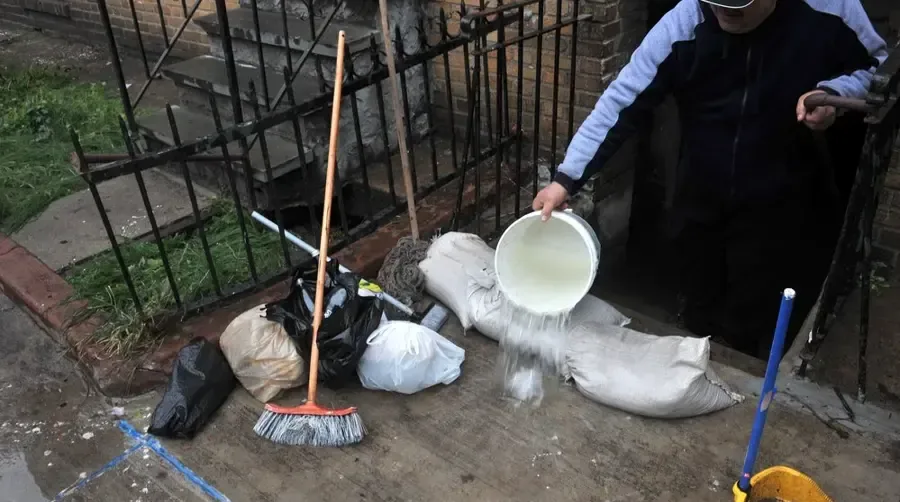
How flood cleanup is handled in Oak Park Heights
The restoration specialist records the wet boundary before selecting equipment. Daily material readings and room conditions determine the next adjustment, with the final inspection checking concealed layers as well as exposed surfaces.
- 1
Record flood contact
Map entry locations, water marks and sediment deposits. Identify the full interior contact area and any safety or access conditions that must be addressed before removal begins.
- 2
Clear water and debris
Organize extraction and debris handling around a controlled route. Assess contents and porous finishes individually so retained items are separated from materials that need disposal after exposure.
- 3
Clean exposed assemblies
Address accessible contact surfaces after necessary removal. Check hidden edges and cavities where sediment or moisture remains before setting equipment to dry the building materials left in place.
- 4
Assess recovery completion
Compare moisture readings across the affected footprint and document the cleaning work performed. Identify remaining finish repairs and entry point corrections needed before normal use of the rooms resumes.
Floodwater recovery begins with the path into the property: a doorway, a window opening or another actual point of entry. Water marks, sediment and photographs help reconstruct that path after the flow stops. The assessment considers what the water contacted on the way indoors and which interior materials absorbed it, because those details determine removal and cleaning decisions.
First steps for flood cleanup in Oak Park Heights
- 1
Wait for safe building access
Do not enter flooded spaces while electrical conditions, structure or water movement remain unsafe. Describe the visible situation from a secure position before attempting to recover household belongings.
- 2
Capture the entry evidence
Photograph doorways, windows and visible water marks when safe. Early records help show how outside water entered and which surfaces were contacted before debris removal changes the room.
- 3
Separate dry possessions
Keep unaffected items outside the work route. Contaminated or saturated contents need assessed handling so their movement does not transfer sediment and water into clean rooms during recovery.
- 4
Describe continuing conditions
Report any active inflow, blocked access or water remaining around the building. These conditions influence when removal can proceed and how interior cleanup should be organized at the property.
What does flood cleanup cost in Oak Park Heights, MN?
Flood cleanup costs in Oak Park Heights increase with the contact area, sediment load and removal required for affected finishes. The ranges below frame interior recovery work; inspection determines the necessary cleaning, drying and separate repairs to the entry point.
Limited entry area
- Contained outdoor water contact
- Localized debris removal work
- Accessible surface cleaning
Several affected rooms
- Connected wet finish removal
- Broader contents sorting needs
- Multiple drying zones
Extensive flood contact
- Widespread contaminated material handling
- Concealed assembly access
- Expanded cleaning and monitoring
These planning ranges are not a quote. Water category, affected square footage, material class and the delay before drying all influence the scope. Compare the inputs in the water damage cost calculator for a closer range.
Use the property conditions to define the work
Oak Park Heights stands on the west bank of the St. Croix River. Stillwater Overlook provides a view of the river valley, while St. Croix Crossing links the river's banks. At an affected building, the cleanup scope comes from observed entry and wet surfaces. Report where outdoor water first appeared and whether it continued spreading into connected rooms.
- Keep away from standing water with uncertain depth or hazards.
- Preserve photographs of entry points before moving debris.
- Identify water marks on walls and stored belongings.
Remove contamination before building materials are dried
Sediment can settle under furniture and along seams even when the floor appears mostly clear. Porous finishes and contents need assessment for removal, while suitable retained surfaces require cleaning. Near Brekke Park or elsewhere in the city, a home with finished lower rooms needs access decisions that account for insulation, partitions and floor layers reached by the incoming water.
- Inspect beneath items left at the water boundary.
- Include hidden contact at the bottom of partitions.
- Keep waste movement out of unaffected living areas.
Plan recovery beyond the first cleared floor
Drying begins after necessary extraction, removal and cleaning have exposed the retained materials. Monitoring should include connected assemblies rather than only the easiest surface to measure. The completion record needs to show what was affected and what remains to repair, including any building opening that allowed water to enter during the event.
Flood cleanup across Oak Park Heights and nearby towns
Flood cleanup in Oak Park Heights focuses on the building areas reached by outside water. Describe entry points, affected levels and any remaining access restrictions before planning removal or contents handling.
The same service nearby: flood cleanup in Hastings, Prescott, Farmington.
Water damage restoration in Oak Park Heights · every town covered
Related water damage services in Oak Park Heights
Flood Cleanup questions in Oak Park Heights, MN
Does floodwater require a different cleanup approach?
Outside water may bring sediment and contamination into the building. Its contact path affects material retention and cleaning decisions. The assessment therefore considers more than the volume of standing water remaining on the floor.
Can dry looking furniture still need assessment?
A surface can dry while joints, upholstery or hidden portions remain affected. Items contacted by floodwater should be evaluated according to material and contamination, with photographs kept before movement or disposal changes their condition.
Should water marks be cleaned off immediately?
Photograph visible marks first when safe. They help show the extent of contact after water recedes. Cleaning then follows the assessed work plan, including underlying materials that may have absorbed water below the mark.
Is every river area property handled alike?
Each property needs its own inspection of entry, materials and access. Local geography helps describe the setting, but the actual water path through the building determines the removal, cleaning and drying scope.
Can floor coverings hide flood damage?
Water and sediment can collect beneath coverings or at their edges. Inspection may require access to underlying layers, particularly when contamination or retained moisture prevents an effective drying approach with the covering left undisturbed.
What should be checked before rebuilding?
The retained materials should receive the necessary cleaning and moisture checks. The entry problem also needs attention. Rebuilding over damp or incompletely cleaned assemblies can leave part of the flood recovery work unfinished.
Recover the building beyond the flood marks
A complete interior plan connects debris removal, cleaning and drying with the surfaces the water reached. Start with safe access and a clear account of the affected rooms and belongings.
(888) 432-4933Discuss flood contact and recovery- Hastings, MN · Dakota County
- (888) 432-4933, open 24/7
- Dried to the IICRC S500 standard
- Find us on Google